 Research at the UKE?
 DE
DE
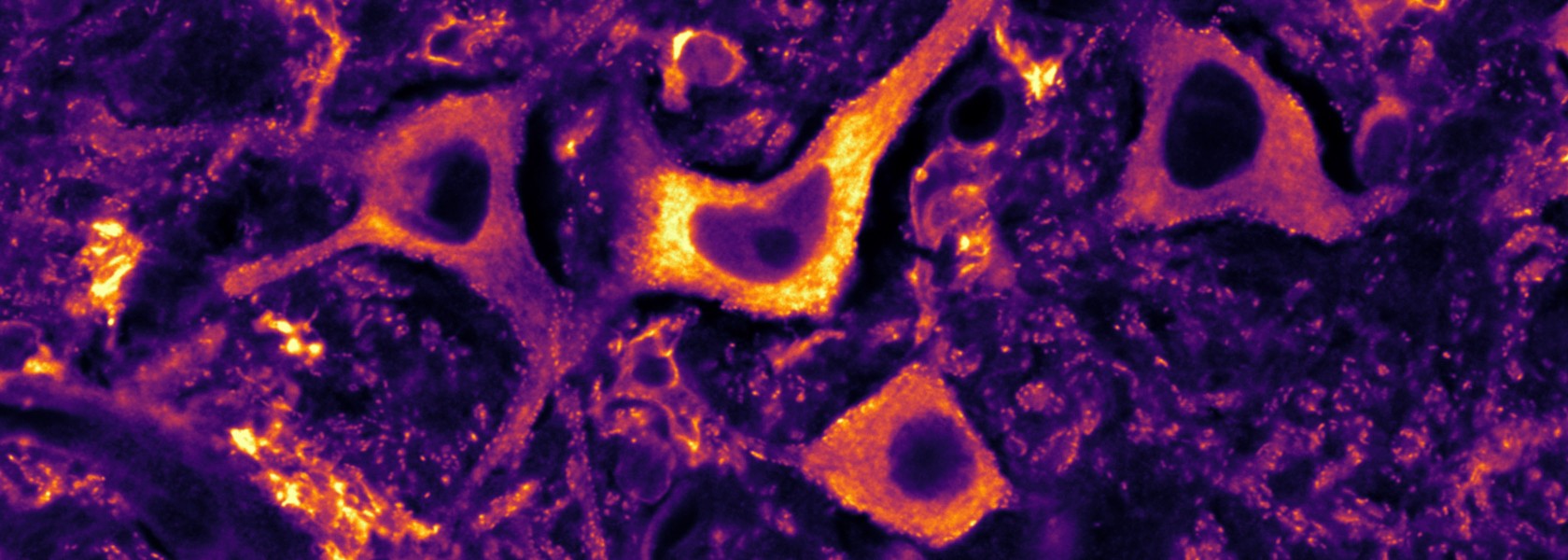

Neuroimmunology and Multiple Sclerosis
The aetiology and pathogenesis of multiple sclerosis and other neuroimmunological or neuroinfectious diseases remains largely unknown.
In order to design more efficacious treatments, we investigate the immune and the nervous system and their interactions to understand mechanisms of immune cell dysregulation and neurodegeneration.

“Understating neuro-immune interactions to halt inflammation-induced neurodegeneration.”
Prof. Dr. Manuel Friese
Project details and goals
We seek to better understand the development and progression of neuroimmunological and neuroinfectious diseases with particular emphasis on multiple sclerosis to translate molecular findings into drug treatment and improve clinical care. In order to achieve this goal, we systematically study immunology, neurobiology and patient care using a wide methodological spectrum.
- How is an autoimmune response generated?
- How does sex difference and pregnancy modulate multiple sclerosis disease activity?
- How do neurons react to inflammatory stressors and degenerate?
- How do infections of the central nervous system result in immunopathology?
- Which proteins are suitable drug targets to halt inflammation-induced neurodegeneration?
Publications 2026
Schubert C, Lopes Fonseca R, Hadjilaou A, Vieira V, Degenhardt K, Seemann AL, Hakimy A, Sonner JK, Ludewig P, Magnus T, Schneider M, Müller CE, Hirnet D, Friese MA.
Abstract
Extracellular adenosine triphosphate (ATP) and diphosphate (ADP) act as key signalling molecules in the central nervous system (CNS) and regulate neuroinflammatory responses through purinergic receptors. Although astrocytes and neurons undergo profound changes in signalling and metabolism during inflammation, the contribution of specific purinergic pathways to inflammation-induced neurodegeneration remains unclear. Here we show that the ADP/ATP-activated Gq-coupled receptor P2Y1 drives astrocyte-mediated neurotoxicity in experimental autoimmune encephalomyelitis (EAE), a model of multiple sclerosis (MS). Using plasma membrane-targeted luciferase reporter mice, we demonstrate that extracellular ATP levels are increased during acute EAE. This was accompanied by elevated astrocytic P2ry1 expression, which is also observed in inflammatory MS lesions. In vivo, pharmacological inhibition or astrocyte-specific deletion of P2Y1 reduced disease severity, astrocytosis, and neuronal loss, whereas neuron-specific deletion exerted only modest effects. Mechanistically, astrocytic P2Y1 signalling promoted cytokine-induced ERK activation, inflammatory gene expression, and metabolic reprogramming in vitro. In contrast to supernatants from stimulated P2Y1-deficient astrocyte culture, supernatants derived from stimulated P2Y1-proficient astrocytes reduced neuronal viability, demonstrating neurotoxic effects mediated by astrocyte-derived factors. In contrast, neuronal P2Y1 signalling primarily contributed to oxidative stress and mitochondrial dysfunction. Together, these findings identify astrocytic P2Y1 as a key regulator of neuroinflammatory damage and a potential therapeutic target.
Woo MS, Rothammer N, Bal LC, Krisp C, Kreutzfeldt M, Witt S, Maleska Maceski A, Siebels B, Raich L, Mayer C, Winschel I, Willing A, Schattling B, Bauer S, Schlüter H, Rosenkranz SC, Kuhle J, Stellmann JP, Engler JB, Merkler D, Friese MA.
Abstract
Background: Neuroaxonal and synaptic loss are hallmarks of multiple sclerosis (MS), the most common autoimmune disorder of the central nervous system. However, it remains unclear at which disease stages synaptic pathology occurs. We hypothesised that synaptic proteins in plasma and cerebrospinal fluid (CSF) reflect synaptic injury in MS.
Methods: To identify synaptic proteins lost during neuroinflammation, we performed proteomic analysis of synaptoneurosomes from mice with experimental autoimmune encephalomyelitis (EAE), the model of MS. The findings were validated by histology in the cortex of EAE mice and postmortem MS tissue. Next, we developed an ELISA with knockout-validated antibodies for the presynaptic protein Bassoon (BSN) and quantified BSN in the cortex, spinal cords and plasma of EAE mice and in the CSF (total n = 30) and serum (total n = 146) of an observational cohort study with people with MS (pwMS) and controls. We further compared longitudinal trajectories of serum BSN (sBSN) and serum neurofilament light chain (sNfL) in a cohort of people with primary progressive MS (PPMS) (n = 26) using linear mixed-effects models.
Findings: The synaptoneurosome screen revealed reduced levels of several presynaptic proteins, including BSN, in the cortex of EAE mice. The loss of synaptic BSN was validated in EAE and human postmortem tissues of pwMS. Notably, BSN simultaneously accumulated in neuronal soma during EAE and MS, suggesting that BSN may serve as a suitable biomarker for monitoring disease pathology. Our ELISA showed a gradual loss of BSN in the cortex of EAE mice and consistently, plasma BSN levels were elevated in two independent acute and chronic EAE cohorts. In pwMS, BSN was detectable in all CSF samples and in 81% of the serum samples. CSF BSN levels were higher in both relapsing and PPMS compared with controls, whereas sBSN was elevated in secondary progressive MS (SPMS) and PPMS. In the longitudinal PPMS cohort, sBSN and sNfL remained unchanged over an average follow-up of 37 months and did not correlate with each other.
Interpretation: In conclusion, the presynaptic protein BSN can be quantified in plasma and CSF to assess synaptic pathologies. BSN elevation was already detectable at the earliest disease stages and persisted in progressive MS, underscoring continuous neurodegeneration in MS. Measuring synaptic proteins may complement established biomarkers of neuronal injury to enhance our understanding of neurodegeneration in MS.
Funding: This work was funded by the Hamburg Innovation Call for Transfer (C4T959 to M.A.F.), Deutschen Multiple Sklerose Gesellschaft (V6.2 to M.A.F.). This work is supported by the Deutsche Forschungsgemeinschaft (FOR 5705, 523862973 to M.A.F., S.C.R., J.B.E.; 247354600, 247377969, 426788273, 518551069, 516868494 to H.S.).
Fischbach F, Richter J, Korporal-Kuhnke M, Pfeffer LK, Starke P, Häußler V, Braun B, Keller A, Abbasi Y, Daumen M, Lange K, Reinhardt S, Stockmann J, Brandt J, Sauer S, Rudolph I, Fehse B, Rosenkranz SCC, Friede T, Friese MA, Kröger N, Blank N, Ayuk F, Wildemann B, Heesen C.
Hartmann C, Haferkamp U, Appelt-Menzel A, Barenberg J, Brachner A, Ehrhard T, Feldhaus J, Gerhartl A, Hollemann T, Kulka LAM, Leckzik S, Leu J, Woo MS, Friese MA, Initiative ADN, Metzger M, Neuhaus W, Oerter S, Olzscha H, Pich A, Riemann D, Pless O, Rujescu D, Jung M.
Abstract
BACKGROUND: With the progression of late-onset Alzheimer disease (LOAD), there is a dysregulation and then a breakdown of the blood-brain barrier (BBB). An important pathological feature in the brains of patients is the accumulation of amyloid beta (Aβ) peptides. Their aggregation leads to the formation of particularly harmful Aβ oligomers (Aβ-O). Unfortunately, our understanding of changes in the blood-brain barrier, particularly with regard to the effects of Aβ-O, is still very limited. METHODS: This study investigated a LOAD-specific and induced pluripotent stem cell (hiPSC)-based in vitro model of the BBB for disease mechanisms and validated the findings in two independent laboratories. This study also investigated Aβ transport across the BBB. Furthermore, obtained in vitro findings were confirmed in the cerebrospinal fluid proteome of a LOAD patient cohort. RESULTS: Control and LOAD hiPSCs exhibited comparable efficiency in forming brain capillary endothelial-like cells (BCECs). Although transendothelial electrical resistance (TEER) assessments indicated no significant differences in barrier tightness between LOAD and control BCECs, high-throughput multiplex qPCR analysis revealed subtle alterations in barrier integrity. This included changes in various barrier markers, such as mucins (MUC1, MUC20), aquaporins (AQP5, AQP10), junctional transcripts (CLDNs, TJP1, OCLN), and receptors (LRP1, INSR, LSR), which were confirmed in LOAD patients. High-content imaging and flow cytometry indicated reduced cadherin 5 (CDH5) levels in LOAD BCECs. Importantly, the results also highlighted a difference in the transport of Aβ-O across the BBB. CONCLUSION: This model demonstrates a LOAD-relevant phenotype with decreased Aβ transport and alterations in key transcripts and could thus serve for future translational studies to rescue pathogenic phenotypes.
Sonner JK, Kahn A, Binkle-Ladisch L, Engler JB, Haack B, Zeiler C, Unger L, Bauer S, Fischbach F, Almanzar G, Walkenhorst M, Mayer C, Kolakowska A, Graute S, Ramien C, Winschel I, Rothammer N, Heine M, Horneffer-van der Sluis V, Thiemann V, Vieira V, Meurs N, Renné T, Prelog M, Jørgensen SB, Seeley RJ, Diemert A, Arck PC, Gold SM, Heeren J, Wischhusen J, Friese MA.
Abstract
Inflammatory activity during multiple sclerosis (MS) often improves during pregnancy, suggesting that pregnancy-related immune adaptations affect the disease. Here we show that growth/differentiation factor-15 (GDF-15) increases during pregnancy and correlates with a reduced rate of MS relapses. GDF-15 also accumulates in the inflamed central nervous system, and its absence impairs inflammation resolution in a mouse model of MS. GDF-15 suppresses autoimmune T cell responses through an indirect signaling pathway involving the activation of GDNF family receptor α-like (GFRAL) on brainstem neurons. Therapeutic approaches, including neuronal gene delivery, recombinant GDF-15 administration and targeted chemogenetic activation of GFRAL-positive neurons induce β-adrenergic signaling and norepinephrine synthesis in the spleen, leading to decreased expression of integrins on T cells required for transmigration across the blood-brain barrier and confer protection against neuroinflammation in preclinical models of MS. These findings position GDF-15 as a crucial neuroimmune mediator and the GDF-15-GFRAL axis as promising target for MS.
Lorenz SM, Wahida A, Bostock MJ, Seibt T, Santos Dias Mourão A, Levkina A, Trümbach D, Soudy M, Emler D, Rothammer N, Woo MS, Sonner JK, Novikova M, Henkelmann B, Aldrovandi M, Kaemena DF, Mishima E, Vermonden P, Zong Z, Cheng D, Nakamura T, Ito J, Doll S, Proneth B, Bürkle E, Rizzollo F, Escamilla Ayala A, Napolitano V, Kolonko-Adamska M, Gaussmann S, Merl-Pham J, Hauck S, Pertek A, Orschmann T, van San E, Vanden Berghe T, Hass D, Maida A, Frenz JM, Pedrera L, Dolga A, Kraiger M, Hrabé de Angelis M, Fuchs H, Ebert G, Lenberg J, Friedman J, Scale C, Agostinis P, Zimprich A, Vogt-Weisenhorn D, Garrett L, Hölter SM, Wurst W, Glaab E, Lewerenz J, Popper B, Sieben C, Steinacker P, Zischka H, Garcia-Saez AJ, Tietze A, Ramesh SK, Ayton S, Vincendeau M, Friese MA, Wigby K, Sattler M, Mann M, Ingold I, Jayavelu AK, Popowicz GM, Conrad M.
Abstract
Ferroptosis, driven by uncontrolled peroxidation of membrane phospholipids, is distinct from other cell death modalities because it lacks an initiating signal and is surveilled by endogenous antioxidant defenses. Glutathione peroxidase 4 (GPX4) is the guardian of ferroptosis, although its membrane-protective function remains poorly understood. Here, structural and functional analyses of a missense mutation in GPX4 (p.R152H), which causes early-onset neurodegeneration, revealed that this variant disrupts membrane anchoring without considerably impairing its catalytic activity. Spatiotemporal Gpx4 deletion or neuron-specific GPX4R152H expression in mice induced degeneration of cortical and cerebellar neurons, accompanied by progressive neuroinflammation. Patient induced pluripotent stem cell (iPSC)-derived cortical neurons and forebrain organoids displayed increased ferroptotic vulnerability, mirroring key pathological features, and were sensitive to ferroptosis inhibition. Neuroproteomics revealed Alzheimer's-like signatures in affected brains. These findings highlight the necessity of proper GPX4 membrane anchoring, establish ferroptosis as a key driver of neurodegeneration, and provide the rationale for targeting ferroptosis as a therapeutic strategy in neurodegenerative disease.
Publications 2025
Woo MS, Hadjilaou A, Raich L, Dottermusch M, Rissiek B, Friese MA, Gauthier S, Rosa-Neto P, Magnus T, Glatzel M.
Krieg K, Materna-Reichelt S, Naber T, Rachad FZ, Kauven P, Weller A, Haferkamp U, Wittich A, Zaliani A, Woo MS, Walkenhorst M, Siegmund M, Harberts J, Zierold R, Blick R, Conze C, Muschong P, Miltner D, Friese MA, Mezler M, Siegmund H, Evert K, Krasemann S, Gužvić NS, Klein CA, Werner-Klein M, Wegener J, Pless O.
Abstract
Effective systemic therapies against brain metastases are severely limited. To understand and target vulnerabilities of human metastases in a brain niche context, we developed reproducible melanoma brain metastasis (MBM) models for metastasis-integrating drug screening. We co-cultured A375 melanoma cells or tumor regional lymph node-derived disseminated cancer cells (DCCs) in close proximity with human induced pluripotent stem cell-derived cortical organoids (hCOs). In these, RNA sequencing revealed an upregulation of metastasis-associated features. First, A375 cells and DCCs were screened against an anti-cancer library containing 315 compounds. Hits were ranked by neurotoxicity, central nervous system permeation, and anti-DCC efficacy. Only a minority of hits effectively targeted A375-MBMs, with the first-in-class XPO1 inhibitor selinexor emerging as top hit. Selinexor also demonstrated efficacy in DCC-MBM models and low toxicity on hCOs, suggesting a promising therapeutic window in clinically applied doses. Collectively, the MBM model provides a tool for identifying candidate therapies counteracting metastatic progression.
Zhang BC, Schneider-Hohendorf T, Elyanow R, Pignolet B, Falk S, Wünsch C, Deffner M, Yusko E, May D, Mattox D, Dawin E, Gerdes LA, Bucciarelli F, Revie L, Antony G, Jarius S, Seidel C, Senel M, Bittner S, Luessi F, Havla J, Knop M, Friese MA, Rothacher S, Salmen A, Hayashi F, Henry R, Caillier S, Santaniello A; University of California San Francisco MS-EPIC Team; German Competence Network Multiple Sclerosis (KKNMS); Seipelt M, Heesen C, Nischwitz S, Bayas A, Tumani H, Then Bergh F, Meyer Zu Hörste G, Kümpfel T, Gross CC, Wildemann B, Kerschensteiner M, Gold R, Meuth SG, Zipp F, Cree BAC, Oksenberg J, Wilson MR, Hauser SL, Zamvil SS, Klotz L, Liblau R, Robins H, Sabatino JJ Jr, Wiendl H, Schwab N.
Abstract
Background: Glatiramer acetate (GA) is a well-tolerated treatment for multiple sclerosis (MS) and comparable in its efficacy to high-dose interferon beta (IFN). As a lack of validated treatment response biomarkers for MS hampers progress in personalised treatment, the study goal was to search for biomarkers of a successful treatment response utilising the known observation of T-cell expansions after GA treatment.
Methods: T-cell receptor beta chain (TRB) sequencing was performed in 3021 patients with MS: a discovery cohort of 1627 patients with MS, 204 of whom had previously been treated with GA, and then validated in 1394 patients with MS, 424 of whom had previously been treated with GA. Clinical data from 1987 patients with MS treated with GA or IFN and available HLA information from the NationMS, ACP, EPIC, BIONAT, and CombiRx trial cohorts were used for a subsequent analysis.
Findings: Common GA-associated TRB expansions were exclusively detected in HLA-A∗03:01 or in HLA-DRB1∗15:01 backgrounds, within CD8+ effector- or CD4+ central-memory T cells. Both sets of common sequences clonally expanded after GA treatment in a first validation cohort and predicted GA exposure in two further validation cohorts. To evaluate whether restriction of public TRBs to only two HLA alleles is also associated with GA's clinical efficacy, we analysed five cohorts of patients with MS for a potential benefit of the two HLAs concerning the GA response compared to IFN. We consistently found positive interactions with HLA-A∗03:01. This included a relative reduction in relapse risk compared to IFN in HLA-A∗03:01 carriers of 33% (CombiRx: GA + IFN arm: HR 0.67 [95% CI: 0.47-0.96], p = 0.0269) and 34% (CombiRx: GA arm: HR 0.66 [95% CI: 0.45-0.98], p = 0.0377), and in risk to first relapse of 63% (NationMS: HR 0.37 [95% CI: 0.16-0.88], p = 0.0246), but no positive association with DRB1∗15:01.
Interpretation: HLA-A∗03:01 carrying patients with MS specifically benefit from GA treatment and GA significantly outperforms IFN in these patients. Therefore, determining HLA-A∗03:01 status before choosing a platform treatment for MS, would allow for a personalised treatment decision between GA and IFN.
Funding: German Research Foundation, National Institutes of Health, National Multiple Sclerosis Society, Valhalla Foundation, Westridge Foundation, Mayer Foundation, German Federal Ministry of Education and Research.
Fischbach F, Pfeffer LK, Heesen C, Friese MA.
Abstract
Background: Chimeric antigen receptor (CAR) T cell therapies were originally developed for the treatment of hematological malignancies; however, they are gaining increasing importance in the treatment of selected individuals with severe, treatment-refractory courses of neuroimmunological diseases. This article discusses the available treatment experiences to date and the potentially promising biotechnological developments in the context of the underlying neuroimmunological pathophysiology.
Observations: The spectrum of immunopathology in neuroimmunological diseases ranges from classical autoantibody-mediated autoimmune diseases, such as myasthenia gravis to immunologically complex conditions like multiple sclerosis. The CAR T cell products currently in use target B cells, leading to complete B cell depletion, including autoreactive B cell clones. The therapeutic response, measured by disease activity and biomarkers, varies depending on the underlying immunopathology. The use of CAR T cells in different disease entities has shown a favorable safety profile concerning acute toxicity.
Conclusion: Currently available and emerging CAR T cell therapy approaches open new therapeutic perspectives for neuroimmunological diseases. Larger studies are needed to assess safety, efficacy and long-term effects and to identify individual disease courses that may be suitable for the application of these forms of treatment.
Woo MS, Brand J, Bal LC, Moritz M, Walkenhorst M, Vieira V, Ipenberg I, Rothammer N, Wang M, Dogan B, Loreth D, Mayer C, Nagel D, Wagner I, Pfeffer LK, Landgraf P, van Ham M, Mattern KM, Winschel I, Frantz N, Sonner JK, Grosshans HK, Miguela A, Bauer S, Meurs N, Müller A, Binkle-Ladisch L, Salinas G, Jänsch L, Dieterich DC, Riedner M, Krüger E, Heppner FL, Glatzel M, Puelles VG, Engler JB, Nyengaard JR, Misgeld T, Kerschensteiner M, Merkler D, Meyer-Schwesinger C, Friese MA. Cell. 2025 Jun 13:S0092-8674(25)00616-6.
Abstract
Inflammation, aberrant proteostasis, and energy depletion are hallmarks of neurodegenerative diseases such as multiple sclerosis (MS). However, the interplay between inflammation, proteasomal dysfunction in neurons, and its consequences for neuronal integrity remains unclear. Using transcriptional, proteomic, and functional analyses of proteasomal subunits in inflamed neurons, we found that interferon-γ-mediated induction of the immunoproteasome subunit, proteasome 20S beta 8 (PSMB8) impairs the proteasomal balance, resulting in reduced proteasome activity. This reduction causes the accumulation of phosphofructo-2-kinase/fructose-2,6-bisphosphatase 3 (PFKFB3), a key metabolic regulator, leading to enhanced neuronal glycolysis, reduced pentose phosphate pathway activity, oxidative injury, and ferroptosis. Neuron-specific genetic and systemic pharmacological targeting of PSMB8 or PFKFB3 protected neurons in vitro and in a mouse model of MS. Our findings provide a unifying explanation for proteasomal dysfunction in MS and possibly other neurodegenerative diseases, linking inflammation to metabolic disruption, and presenting an opportunity for targeted neuroprotective therapies.
Rittel JC, Hudasch D, Doppler K, Bergh FT, Lesser M, Aktas O, Nagel M, Huttner HB, Rostasy K, Tauber S, Friese MA, Malter M, Madlener M, Kraft A, Hoffmann F, Lewerenz J, Senel M, Wickel J, Geis C, Moser A, Wandinger KP, Bartsch T, Leypoldt F, Thaler F, Kümpfel T, Meuth S, Melzer N, Finke C, Prüss H, Stangel M, Sühs KW; German Network for Research on Autoimmune Encephalitis (GENERATE).
Abstract
Background and objectives: Corticosteroids or plasma exchange are recommended for acute treatment of autoimmune encephalitis (AE). Intravenous immunoglobulins (IVIG) are suggested as an additional treatment option but data on treatment effect is scarce. The objective of the present study was to investigate the impact of the first-line treatment on the three most common forms of AE, in particular, to evaluate the effect of IVIG therapy in these diseases.
Methods: A total of 1274 patients from the German Network for Autoimmune Encephalitis Research (GENERATE) were analyzed, and 388 patients were included in the study because they had either anti-NMDAR, anti-LGI1 or anti-CASPR2 antibodies and firs-line immunotherapy (ivMP monotherapy, ivMP + IVIG, ivMP + PE or ivMP + IVIG + PE) or no immunotherapy at all. For the statistical analyses, patients were stratified according to antibody type, distinguishing between anti-NMDAR (IgG1) and anti-LGI1 as well as anti-CASPR2 (predominantly IgG4). The primary endpoint was the clinical outcome at discharge, which was assessed using the modified Rankin Scale (mRS). The mRS scores were then compared between the different treatment groups over time, and the factors influencing the reduction in mRS at discharge were analyzed. Furthermore, a specific investigation was conducted to determine the differences in outcomes between patients treated with ivMP + IVIG and ivMP + PE, each split by antibody subtype.
Results: In all treatment groups analyzed, significant improvements were observed at the time of discharge and after 12 months compared to disease onset, regardless of the type of first-line treatment. In untreated patients a significant improvement was not observed. The choice of IVIG or PE as an additional treatment to ivMP for anti-NMDAR encephalitis did not affect the primary outcome. In anti-LGI1 or anti-CASPR2 encephalitis, no influence on the primary outcome was observed when IVIG or PE was administered in addition to ivMP, too. However, a direct comparison of the individual antibody subgroups' mRS reductions, depending on the treatment approach (ivMP + IVIG vs. ivMP + PE), revealed that a more significant mRS reduction was observed with ivMP + PE in anti-NMDAR encephalitis.
Discussion: The retrospective data give evidence that there is no difference in outcome for the use of ivMP + PE over ivMP + IVIG or vice versa in the treatment of encephalitis caused by antibodies against NMDAR, LGI1 or CASPR2. Furthermore, the specific method of plasma exchange, whether plasmapheresis or immunoadsorption, did not affect the mRS at discharge.
Schubert C, Schulz K, Sonner JK, Hadjilaou A, Seemann AL, Gierke J, Vieira V, Meurs N, Woo MS, Lohr C, Morellini F, Hirnet D, Friese MA.
Abstract
Background: Olfactory dysfunction is an underestimated symptom in multiple sclerosis (MS). Here, we examined the pathogenic mechanisms underlying inflammation-induced dysfunction of the olfactory bulb using the animal model of MS, experimental autoimmune encephalomyelitis (EAE).
Results: Reduced olfactory function in EAE was associated with the degeneration of short-axon neurons, immature neurons, and both mitral and tufted cells, along with their synaptic interactions and axonal repertoire. To dissect the mechanisms underlying the susceptibility of mitral cells, the main projection neurons of the olfactory bulb, we profiled their responses to neuroinflammation by single-nucleus RNA sequencing followed by functional validation. Neuroinflammation resulted in the induction of potassium channel transcripts in mitral cells, which was reflected in increased halothane-induced outward currents of these cells, likely contributing to the impaired olfaction in EAE animals.
Conclusion: This study reveals the crucial role of mitral cells and their potassium channel activity in the olfactory bulb during EAE, thereby enhancing our understanding of neuroinflammation-induced neurodegeneration in MS.
Konen FF, Möhn N, Witte T, Schefzyk M, Wiestler M, Lovric S, Hufendiek K, Jendretzky KF, Gingele S, Schwenkenbecher P, Sühs KW, Friese MA, Klotz L, Pul R, Pawlitzki M, Hagin D, Kleinschnitz C, Meuth SG, Skripuletz T.
Abstract
A wide variety of immunomodulatory therapies are already available for the treatment of multiple sclerosis (MS). Through fundamental insights from basic research with a gain of knowledge in the pathological processes underlying MS, the exploration of additional medical compounds within clinical trials has been ignited. Emerging novel medications with innovative mechanisms of action are being introduced. Those mechanisms of action include a broad therapeutic spectrum of substances targeting various protein kinases, some of which could also be used for the treatment of other autoimmune-mediated diseases. The advancement of new compounds could therefore enable a more personalized approach in treating MS, taking into consideration patients' co-existing autoimmune-mediated diseases. In this review, we discuss potential compounds targeting protein kinases, currently under investigation in clinical trials for various autoimmune diseases that could become viable treatment options for MS and comorbid autoimmune conditions in the future.
Publications 2024
Jesse S, Riemann M, Schneider H, Ringelstein M, Melzer N, Vogel N, Pfeffer LK, Friese MA, Sühs KW, Hudasch D, Schwenkenbecher P, Günther A, Geis C, Wickel J, Lesser M, Kather A, Leypoldt F, Darfvainiene J, Markewitz R, Wandingen KP, Thaler FS, Kuchling J, Wurdack K, Sabater L, Finke C, Lewerenz J.
Abstract
Introduction: Very rarely, adult NMDAR antibody-associated encephalitis (NMDAR-E) leads to persistent cerebellar atrophy and ataxia. Transient cerebellar ataxia is common in pediatric NMDAR-E. Immune-mediated cerebellar ataxia may be associated with myelin oligodendrocyte glycoprotein (MOG), aquaporin-4 (AQP-4), kelch-like family member 11 (KLHL11), and glutamate kainate receptor subunit 2 (GluK2) antibodies, all of which may co-occur in NMDAR-E. Here, we aimed to investigate the frequency, long-term outcome, and immunological concomitants of ataxia in NMDAR-E.
Methods: In this observational study, patients with definite NMDAR-E with a follow-up of >12 months were recruited from the GENERATE registry. Cases with documented ataxia were analyzed in detail.
Results: In 12 of 62 patients (19%), ataxia was documented. Bilateral cerebellar ataxia without additional focal CNS findings was found in four (one child and three adults); one of these was previously reported as a case with persistent cerebellar atrophy and ataxia. Two patients with bilateral cerebellar ataxia had additional focal neurological symptoms, optic neuritis and facial palsy. Two patients developed hemiataxia: one with diplopia suggesting brainstem dysfunction and the other probably resulting from cerebellar diaschisis due to contralateral status epilepticus. In all but the one developing cerebellar atrophy, cerebellar ataxia was transient and not associated with a worse long-term outcome. In all five patients with cerebellar ataxia tested, MOG, AQP-4, GluK2, and KLHL11 antibodies were negative. In two additional patients negative for both MOG and AQP-4 antibodies, ataxia was sensory and explained by cervical myelitis as part of multiple sclerosis (MS) manifesting temporal relation to NMDAR-E. One of the patients with bilateral ataxia with focal neurological deficits was also diagnosed with MS upon follow-up. Finally, in two patients, ataxia was explained by cerebral hypoxic damage following circulatory failure during an ICU stay with severe NMDAR-E.
Discussion: Ataxia of different types is quite common in NMDAR-E. Cerebellar ataxia in NMDAR-E is mostly transient. NMDAR-E followed by persistent ataxia and cerebellar atrophy is very rare. Cerebellar ataxia in NMDAR-E may not be explained by concomitant KLHL11, MOG, AQP-4, or GluK2 autoimmunity. Of note, ataxia in NMDAR-E may result from treatment complications and, most interestingly, from MS manifesting in temporal association with NMDAR-E.
Binkle-Ladisch L, Pironet A, Zaliani A, Alcouffe C, Mensching D, Haferkamp U, Willing A, Woo MS, Erdmann A, Jessen T, Hess SD, Gribbon P, Pless O, Vennekens R, Friese MA. iScience. 2024 Nov 19;27(12):111425.
Abstract
Neurodegeneration in central nervous system disorders is linked to dysregulated neuronal calcium. Direct inhibition of glutamate-induced neuronal calcium influx, particularly via N-methyl-D-aspartate receptors (NMDAR), has led to adverse effects and clinical trial failures. A more feasible approach is to modulate NMDAR activity or calcium signaling indirectly. In this respect, the calcium-activated non-selective cation channel transient receptor potential melastatin 4 (TRPM4) has been identified as a promising target. However, high affinity and specific antagonists are lacking. Here, we conducted high-throughput screening of a compound library to identify high affinity TRPM4 antagonists. This yielded five lead compound series with nanomolar half-maximal inhibitory concentration values. Through medicinal chemistry optimization of two series, we established detailed structure-activity relationships and inhibition of excitotoxicity in neurons. Moreover, we identified their potential binding site supported by electrophysiological measurements. These potent TRPM4 antagonists are promising drugs for treating neurodegenerative disorders and TRPM4-related pathologies, potentially overcoming previous therapeutic challenges.
Haferkamp U, Telugu N, Krieg K, Schaefer W, Lam D, Binkle-Ladisch L, Friese MA, Diecke S, Pless O.
Abstract
Two isogenic hiPSC lines, ZIPi013-B-1 and ZIPi013-B-2, were generated by CRISPR/Cas9-mediated indels in the TRPM4 gene of the previously published ZIPi013-B. TRPM4 belongs to the evolutionarily conserved family of transient receptor potential (TRP) channels. It is expressed ubiquitously and its activity is regulated by intracellular calcium binding, changes in membrane potential, phosphoinositide lipids in the plasma membrane and the local concentration of cytoplasmic ATP and ADP. TRPM4 has been implicated in various diseases, including neurological and immune system disorders, cardiac diseases and cancer. Both new cell lines offer the opportunity to model human diseases and test therapeutic modalities addressing these.
Copyright © 2024 The Author(s). Published by Elsevier B.V. All rights reserved.
Therriault J, Janelidze S, Benedet AL, Ashton NJ, Arranz Martínez J, Gonzalez-Escalante A, Bellaver B, Alcolea D, Vrillon A, Karim H, Mielke MM, Hyung Hong C, Roh HW, Contador J, Puig Pijoan A, Algeciras-Schimnich A, Vemuri P, Graff-Radford J, Lowe VJ, Karikari TK, Jonaitis E, Brum W, Tissot C, Servaes S, Rahmouni N, Macedo AC, Stevenson J, Fernandez-Arias J, Wang YT, Woo MS, Friese MA, Jia WL, Dumurgier J, Hourregue C, Cognat E, Ferreira PL, Vitali P, Johnson S, Pascoal TA, Gauthier S, Lleó A, Paquet C, Petersen RC, Salmon D, Mattsson-Carlgren N, Palmqvist S, Stomrud E, Galasko D, Son SJ, Zetterberg H, Fortea J, Suárez-Calvet M, Jack CR Jr, Blennow K, Hansson O, Rosa-Neto P.
Abstract
Recently approved anti-amyloid immunotherapies for Alzheimer's disease (AD) require evidence of amyloid-β pathology from positron emission tomography (PET) or cerebrospinal fluid (CSF) before initiating treatment. Blood-based biomarkers promise to reduce the need for PET or CSF testing; however, their interpretation at the individual level and the circumstances requiring confirmatory testing are poorly understood. Individual-level interpretation of diagnostic test results requires knowledge of disease prevalence in relation to clinical presentation (clinical pretest probability). Here, in a study of 6,896 individuals evaluated from 11 cohort studies from six countries, we determined the positive and negative predictive value of five plasma biomarkers for amyloid-β pathology in cognitively impaired individuals in relation to clinical pretest probability. We observed that p-tau217 could rule in amyloid-β pathology in individuals with probable AD dementia (positive predictive value above 95%). In mild cognitive impairment, p-tau217 interpretation depended on patient age. Negative p-tau217 results could rule out amyloid-β pathology in individuals with non-AD dementia syndromes (negative predictive value between 90% and 99%). Our findings provide a framework for the individual-level interpretation of plasma biomarkers, suggesting that p-tau217 combined with clinical phenotyping can identify patients where amyloid-β pathology can be ruled in or out without the need for PET or CSF confirmatory testing.
© 2024. The Author(s).
Pfeffer LK, Fischbach F, Heesen C, Friese MA.
Abstract
B cell-directed CAR T cell therapy has fundamentally changed the treatment of haematological malignancies, and its scope of application is rapidly expanding to include other diseases such as solid tumours or autoimmune disorders. Therapy-refractoriness remains an important challenge in various inflammatory and non-inflammatory disorders of the CNS. The reasons for therapy failure are diverse and include the limited access current therapies have to the CNS, as well as enormous inter- and intra-individual disease heterogeneity. The tissue-penetrating properties of CAR T cells make them a promising option for overcoming this problem and tackling pathologies directly within the CNS. First application of B cell-directed CAR T cells in neuromyelitis optica spectrum disorder and multiple sclerosis patients has recently revealed promising outcomes, expanding the potential of CAR T cell therapy to encompass CNS diseases. Additionally, the optimization of CAR T cells for the therapy of gliomas is a growing field. As a further prospect, preclinical data reveal the potential benefits of CAR T cell therapy in the treatment of primary neurodegenerative diseases such as Alzheimer's disease. Considering the biotechnological optimizations in the field of T cell engineering, such as extension to target different antigens or variation of the modified T cell subtype, new and promising fields of CAR T cell application are rapidly opening up. These innovations offer the potential to address the complex pathophysiological properties of CNS diseases. To use CAR T cell therapy optimally to treat CNS diseases in the future while minimizing therapy risks, further mechanistic research and prospective controlled trials are needed to assess seriously the disease and patient-specific risk-benefit ratio.
Woo MS, Therriault J, Jonaitis EM, Wilson R, Langhough RE, Rahmouni N, Benedet AL, Ashton NJ, Tissot C, Lantero-Rodriguez J, Macedo AC, Servaes S, Wang YT, Arias JF, Hosseini SA, Betthauser TJ, Lussier FZ, Hopewell R, Triana-Baltzer G, Kolb HC, Jeromin A, Kobayashi E, Massarweh G, Friese MA, Klostranec J, Vilali P, Pascoal TA, Gauthier S, Zetterberg H, Blennow K, Johnson SC, Rosa-Neto P.
Abstract
Background: Blood-based disease staging across the Alzheimer's disease (AD) continuum holds the promise to identify individuals that profit from disease-modifying therapies. We set out to identify Braak V+ (Braak V and/or VI) tau PET-positive individuals within amyloid-β (Aβ)-positive individuals using plasma biomarkers.
Methods: In this cross-sectional study, we assessed 289 individuals from the TRIAD cohort and 306 individuals from the WRAP study across the AD continuum. The participants were evaluated by amyloid-PET with [18F]AZD4694 or [11C]PiB and tau-PET with [18F]MK6240 and measured plasma levels included total tau, phospho-tau isoforms (pTau) pTau-181, pTau-217, pTau-231, and N-terminal tau (NTA-tau). We evaluated the performances of plasma biomarkers using different analytic platforms to predict Braak V+ positivity in Aβ+ individuals.
Findings: Highest associations with Braak V+ tau positivity in Aβ+ individuals were found for plasma pTau-217+Janssen (AUC [CI95%] = 0.97 [0.94, 1.0]) and ALZpath pTau-217 (AUC [CI95%] = 0.93 [0.86, 1.0]) in TRIAD. Plasma ALZpath pTau-217 separated Braak V+ tau PET-positive individuals in the WRAP longitudinal study (AUC [CI95%] = 0.97 [0.94, 1.0]).
Interpretation: Thus, we demonstrate that using adjusted cut-offs, plasma pTau-217 identifies individuals with later Braak stage tau accumulation which will be helpful to stratify patients for treatments and clinical studies.
Funding: This research is supported by the Weston Brain Institute, Canadian Institutes of Health Research (CIHR) [MOP-11-51-31; RFN 152985, 159815, 162303], Canadian Consortium of Neurodegeneration and Aging (CCNA; MOP-11-51-31 -team 1), the Alzheimer's Association [NIRG-12-92090, NIRP-12-259245], Brain Canada Foundation (CFI Project 34874; 33397), the Fonds de Recherche du Québec-Santé (FRQS; Chercheur Boursier, 2020-VICO-279314). P.R-N and SG are members of the CIHR-CCNA Canadian Consortium of Neurodegeneration in Aging. Colin J. Adair Charitable Foundation.
Walkenhorst M, Sonner JK, Meurs N, Engler JB, Bauer S, Winschel I, Woo MS, Raich L, Winkler I, Vieira V, Unger L, Salinas G, Lantz O, Friese MA, Willing A. Nat Commun. 2024 Oct 28;15(1):9287.
Abstract
Mucosal-associated invariant T (MAIT) cells express semi-invariant T cell receptors (TCR) for recognizing bacterial and yeast antigens derived from riboflavin metabolites presented on the non-polymorphic MHC class I-related protein 1 (MR1). Neuroinflammation in multiple sclerosis (MS) is likely initiated by autoreactive T cells and perpetuated by infiltration of additional immune cells, but the precise role of MAIT cells in MS pathogenesis remains unknown. Here, we use experimental autoimmune encephalomyelitis (EAE), a mouse model of MS, and find an accumulation of MAIT cells in the inflamed central nervous system (CNS) enriched for MAIT17 (RORγt+) and MAIT1/17 (T-bet+RORγt+) subsets with inflammatory and protective features. Results from transcriptome profiling and Nur77GFP reporter mice show that these CNS MAIT cells are activated via cytokines and TCR. Blocking TCR activation with an anti-MR1 antibody exacerbates EAE, whereas enhancing TCR activation with the cognate antigen, 5-(2-oxopropylideneamino)−6-D-ribitylaminouracil, ameliorates EAE severity, potentially via the induction of amphiregulin (AREG). In summary, our findings suggest that TCR-mediated MAIT cell activation is protective in CNS inflammation, likely involving an induction of AREG.
Hadjilaou A, Friese MA.
Abstract
Updating the vaccination recommendations against meningococci and pneumococci, in particular the introduction of the B vaccine as the standard vaccination for infants from January 2024 and the adaptation of the pneumococcal vaccination strategy for infants and adults aged 60 and over with the latest conjugate vaccines (PCV13, PCV15, PCV20).Emphasis on the need for rapid diagnostic lumbar puncture and simultaneous serum and cerebrospinal fluid analysis to increase diagnostic precision. The introduction of procalcitonin (PCT) in serum as an additional biomarker to differentiate between bacterial and viral meningitis.The use of multiplex PCR as a supplement, not a replacement, for standard diagnostics to speed up pathogen identification.Adaptation of antibiotic recommendations based on the current resistance situation, in particular for meningococcal meningitis, consideration of penicillin G only after resistance testing.Clarification of the areas and duration of use of dexamethasone in bacterial meningitis, particularly in pneumococcal meningitis and the controversial data situation in Listeria meningitis.New findings on the safe use of heparin in septic sinus thrombosis without increased risk of hemorrhage.
Woo MS, Bal LC, Winschel I, Manca E, Walkenhorst M, Sevgili B, Sonner JK, Di Liberto G, Mayer C, Binkle-Ladisch L, Rothammer N, Unger L, Raich L, Hadjilaou A, Noli B, Manai AL, Vieira V, Meurs N, Wagner I, Pless O, Cocco C, Stephens SB, Glatzel M, Merkler D, Friese MA. J Clin Invest. 2024 Jun 18;134(16):e177692.
Abstract
A disturbed balance between excitation and inhibition (E/I balance) is increasingly recognized as a key driver of neurodegeneration in multiple sclerosis (MS), a chronic inflammatory disease of the central nervous system. To understand how chronic hyperexcitability contributes to neuronal loss in MS, we transcriptionally profiled neurons from mice lacking inhibitory metabotropic glutamate signaling with shifted E/I balance and increased vulnerability to inflammation-induced neurodegeneration. This revealed a prominent induction of the nuclear receptor NR4A2 in neurons. Mechanistically, NR4A2 increased susceptibility to excitotoxicity by stimulating continuous VGF secretion leading to glycolysis-dependent neuronal cell death. Extending these findings to people with MS (pwMS), we observed increased VGF levels in serum and brain biopsies. Notably, neuron-specific deletion of Vgf in a mouse model of MS ameliorated neurodegeneration. These findings underscore the detrimental effect of a persistent metabolic shift driven by excitatory activity as a fundamental mechanism in inflammation-induced neurodegeneration.
Sonner JK, Mayer C, Friese MA.
No abstract available
Berndt C, Alborzinia H, Amen VS, Ayton S, Barayeu U, Bartelt A, Bayir H, Bebber CM, Birsoy K, Böttcher JP, Brabletz S, Brabletz T, Brown AR, Brüne B, Bulli G, Bruneau A, Chen Q, DeNicola GM, Dick TP, Distéfano A, Dixon SJ, Engler JB, Esser-von Bieren J, Fedorova M, Friedmann Angeli JP, Friese MA, Fuhrmann DC, García-Sáez AJ, Garbowicz K, Götz M, Gu W, Hammerich L, Hassannia B, Jiang X, Jeridi A, Kang YP, Kagan VE, Konrad DB, Kotschi S, Lei P, Le Tertre M, Lev S, Liang D, Linkermann A, Lohr C, Lorenz S, Luedde T, Methner A, Michalke B, Milton AV, Min J, Mishima E, Müller S, Motohashi H, Muckenthaler MU, Murakami S, Olzmann JA, Pagnussat G, Pan Z, Papagiannakopoulos T, Pedrera Puentes L, Pratt DA, Proneth B, Ramsauer L, Rodriguez R, Saito Y, Schmidt F, Schmitt C, Schulze A, Schwab A, Schwantes A, Soula M, Spitzlberger B, Stockwell BR, Thewes L, Thorn-Seshold O, Toyokuni S, Tonnus W, Trumpp A, Vandenabeele P, Vanden Berghe T, Venkataramani V, Vogel FCE, von Karstedt S, Wang F, Westermann F, Wientjens C, Wilhelm C, Wölk M, Wu K, Yang X, Yu F, Zou Y, Conrad M.
Abstract
Ferroptosis is a pervasive non-apoptotic form of cell death highly relevant in various degenerative diseases and malignancies. The hallmark of ferroptosis is uncontrolled and overwhelming peroxidation of polyunsaturated fatty acids contained in membrane phospholipids, which eventually leads to rupture of the plasma membrane. Ferroptosis is unique in that it is essentially a spontaneous, uncatalyzed chemical process based on perturbed iron and redox homeostasis contributing to the cell death process, but that it is nonetheless modulated by many metabolic nodes that impinge on the cells' susceptibility to ferroptosis. Among the various nodes affecting ferroptosis sensitivity, several have emerged as promising candidates for pharmacological intervention, rendering ferroptosis-related proteins attractive targets for the treatment of numerous currently incurable diseases. Herein, the current members of a Germany-wide research consortium focusing on ferroptosis research, as well as key external experts in ferroptosis who have made seminal contributions to this rapidly growing and exciting field of research, have gathered to provide a comprehensive, state-of-the-art review on ferroptosis. Specific topics include: basic mechanisms, in vivo relevance, specialized methodologies, chemical and pharmacological tools, and the potential contribution of ferroptosis to disease etiopathology and progression. We hope that this article will not only provide established scientists and newcomers to the field with an overview of the multiple facets of ferroptosis, but also encourage additional efforts to characterize further molecular pathways modulating ferroptosis, with the ultimate goal to develop novel pharmacotherapies to tackle the various diseases associated with –o r caused by – ferroptosis.
Woo MS, Mayer C, Binkle-Ladisch L, Sonner JK, Rosenkranz SC, Shaposhnykov A, Rothammer N, Tsvilovskyy V, Lorenz SM, Raich L, Bal LC, Vieira V, Wagner I, Bauer S, Glatzel M, Conrad M, Merkler D, Freichel M, Friese MA.
Abstract
Inflammation-induced neurodegeneration is a defining feature of multiple sclerosis (MS), yet the underlying mechanisms remain unclear. By dissecting the neuronal inflammatory stress response, we discovered that neurons in MS and its mouse model induce the stimulator of interferon genes (STING). However, activation of neuronal STING requires its detachment from the stromal interaction molecule 1 (STIM1), a process triggered by glutamate excitotoxicity. This detachment initiates non-canonical STING signaling, which leads to autophagic degradation of glutathione peroxidase 4 (GPX4), essential for neuronal redox homeostasis and thereby inducing ferroptosis. Both genetic and pharmacological interventions that target STING in neurons protect against inflammation-induced neurodegeneration. Our findings position STING as a central regulator of the detrimental neuronal inflammatory stress response, integrating inflammation with glutamate signaling to cause neuronal cell death, and present it as a tractable target for treating neurodegeneration in MS.
Woo MS, Engler JB, Friese MA.
Abstract
Chronic low-grade inflammation and neuronal deregulation are two components of a smoldering disease activity that drives the progression of disability in people with multiple sclerosis (MS). Although several therapies exist to dampen the acute inflammation that drives MS relapses, therapeutic options to halt chronic disability progression are a major unmet clinical need. The development of such therapies is hindered by our limited understanding of the neuron-intrinsic determinants of resilience or vulnerability to inflammation. In this Review, we provide a neuron-centric overview of recent advances in deciphering neuronal response patterns that drive the pathology of MS. We describe the inflammatory CNS environment that initiates neurotoxicity by imposing ion imbalance, excitotoxicity and oxidative stress, and by direct neuro-immune interactions, which collectively lead to mitochondrial dysfunction and epigenetic dysregulation. The neuronal demise is further amplified by breakdown of neuronal transport, accumulation of cytosolic proteins and activation of cell death pathways. Continuous neuronal damage perpetuates CNS inflammation by activating surrounding glia cells and by directly exerting toxicity on neighbouring neurons. Further, we explore strategies to overcome neuronal deregulation in MS and compile a selection of neuronal actuators shown to impact neurodegeneration in preclinical studies. We conclude by discussing the therapeutic potential of targeting such neuronal actuators in MS, including some that have already been tested in interventional clinical trials.
Winschel I, Willing A, Engler JB, Walkenhorst M, Meurs N, Binkle-Ladisch L, Woo MS, Pfeffer LK, Sonner JK, Borgmeyer U, Hagen SH, Grünhagel B, Claussen JM, Altfeld M, Friese MA.
Abstract
Background: Differences in immune responses between women and men are leading to a strong sex bias in the incidence of autoimmune diseases that predominantly affect women, such as multiple sclerosis (MS). MS manifests in more than twice as many women, making sex one of the most important risk factor. However, it is incompletely understood which genes contribute to sex differences in autoimmune incidence. To address that, we conducted a gene expression analysis in female and male human spleen and identified the transmembrane protein CD99 as one of the most significantly differentially expressed genes with marked increase in men. CD99 has been reported to participate in immune cell transmigration and T cell regulation, but sex-specific implications have not been comprehensively investigated.
Methods: In this study, we conducted a gene expression analysis in female and male human spleen using the Genotype-Tissue Expression (GTEx) project dataset to identify differentially expressed genes between women and men. After successful validation on protein level of human immune cell subsets, we assessed hormonal regulation of CD99 as well as its implication on T cell regulation in primary human T cells and Jurkat T cells. In addition, we performed in vivo assays in wildtype mice and in Cd99-deficient mice to further analyze functional consequences of differential CD99 expression.
Results: Here, we found higher CD99 gene expression in male human spleens compared to females and confirmed this expression difference on protein level on the surface of T cells and pDCs. Androgens are likely dispensable as the cause shown by in vitro assays and ex vivo analysis of trans men samples. In cerebrospinal fluid, CD99 was higher on T cells compared to blood. Of note, male MS patients had lower CD99 levels on CD4+ T cells in the CSF, unlike controls. By contrast, both sexes had similar CD99 expression in mice and Cd99-deficient mice showed equal susceptibility to experimental autoimmune encephalomyelitis compared to wildtypes. Functionally, CD99 increased upon human T cell activation and inhibited T cell proliferation after blockade. Accordingly, CD99-deficient Jurkat T cells showed decreased cell proliferation and cluster formation, rescued by CD99 reintroduction.
Conclusions: Our results demonstrate that CD99 is sex-specifically regulated in healthy individuals and MS patients and that it is involved in T cell costimulation in humans but not in mice. CD99 could potentially contribute to MS incidence and susceptibility in a sex-specific manner.
Wirth S, Schlößer A, Beiersdorfer A, Schweizer M, Woo MS, Friese MA, Lohr C, Grochowska KM.
Abstract
The disruption of astrocytic catabolic processes contributes to the impairment of amyloid-β (Aβ) clearance, neuroinflammatory signaling, and the loss of synaptic contacts in late-onset Alzheimer's disease (AD). While it is known that the posttranslational modifications of Aβ have significant implications on biophysical properties of the peptides, their consequences for clearance impairment are not well understood. It was previously shown that N-terminally pyroglutamylated Aβ3(pE)-42, a significant constituent of amyloid plaques, is efficiently taken up by astrocytes, leading to the release of pro-inflammatory cytokine tumor necrosis factor α and synapse loss. Here we report that Aβ3(pE)-42, but not Aβ1-42, gradually accumulates within the astrocytic endolysosomal system, disrupting this catabolic pathway and inducing the formation of heteromorphous vacuoles. This accumulation alters lysosomal kinetics, lysosome-dependent calcium signaling, and upregulates the lysosomal stress response. These changes correlate with the upregulation of glial fibrillary acidic protein (GFAP) and increased activity of nuclear factor kappa-light-chain-enhancer of activated B cells (NF-κB). Treatment with a lysosomal protease inhibitor, E-64, rescues GFAP upregulation, NF-κB activation, and synapse loss, indicating that abnormal lysosomal protease activity is upstream of pro-inflammatory signaling and related synapse loss. Collectively, our data suggest that Aβ3(pE)-42-induced disruption of the astrocytic endolysosomal system leads to cytoplasmic leakage of lysosomal proteases, promoting pro-inflammatory signaling and synapse loss, hallmarks of AD-pathology.
Schubert C, Schiffmann I, Farschtschi SC, Emile JF, Friese MA.
Abstract
Objectives: Histiocytic disorders are pathologic expansions of myeloid cells in multiple organs, including the CNS. They share activation of the MAP kinase pathway due to either BRAFV600E variant or other variants in the RAS-RAF-MEK-ERK pathway. The rarity and heterogeneity of the disease only enable therapy through pathophysiologic considerations.
Methods: We present 2 histiocytosis cases without BRAF sequence variants that affect the CNS, one with Erdheim-Chester disease and the other with an unspecified histiocytosis, and their diagnostic and therapeutic challenges.
Results: In both cases, comprehensive analysis of the RAS-RAF-MEK-ERK signaling pathway secured the diagnosis. Treatment with the MEK inhibitor cobimetinib brought the disease to a complete halt. However, side effects such as thrombosis and serous macular edema made it necessary to reduce cobimetinib dosage. Low-dose cobimetinib maintenance medication was successful in preventing recurrence of histiocytic disease.
Discussion: CNS involvement of histiocytic disorders can lead to detrimental neurologic symptoms. MEK inhibitors are effective treatment options for some of these patients. Since side effects are common, according to our cases we propose a low-dose treatment of 20 mg per day to balance treatment effects with side effects.
Classification of evidence: This case report provides Class IV evidence. This is a single observational study without controls.
Fischbach F, Richter J, Pfeffer LK, Fehse B, Berger SC, Reinhardt S, Kuhle J, Badbaran A, Rathje K, Gagelmann N, Borie D, Seibel J, Ayuk F, Friese MA, Heesen C, Kröger N.
Abstract
Background: Progressive multiple sclerosis (MS) is characterized by compartmentalized smoldering neuroinflammation caused by the proliferation of immune cells residing in the central nervous system (CNS), including B cells. Although inflammatory activity can be prevented by immunomodulatory therapies during early disease, such therapies typically fail to halt disease progression. CD19 chimeric antigen receptor (CAR)-T cell therapies have revolutionized the field of hematologic malignancies. Although generally considered efficacious, serious adverse events associated with CAR-T cell therapies such as immune effector cell-associated neurotoxicity syndrome (ICANS) have been observed. Successful use of CD19 CAR-T cells in rheumatic diseases like systemic lupus erythematosus and neuroimmunological diseases like myasthenia gravis have recently been observed, suggesting possible application in other autoimmune diseases.
Methods: Here, we report the first individual treatment with a fully human CD19 CAR-T cell therapy (KYV-101) in two patients with progressive MS.
Findings: CD19 CAR-T cell administration resulted in acceptable safety profiles for both patients. No ICANS was observed despite detection of CD19 CAR-T cells in the cerebrospinal fluid. In case 1, intrathecal antibody production in the cerebrospinal fluid decreased notably after CAR-T cell infusion and was sustained through day 64.
Conclusions: CD19 CAR-T cell administration in progressive MS resulted in an acceptable safety profile. CAR-T cell presence and expansion were observed in the cerebrospinal fluid without clinical signs of neurotoxicity, which, along with intrathecal antibody reduction, indicates expansion-dependent effects of CAR-T cells on CD19+ target cells in the CNS. Larger clinical studies assessing CD19 CAR-T cells in MS are warranted.
Funding: Both individual treatments as well the generated data were not based on external funding.
Therriault J, Woo MS, Salvadó G, Gobom J, Karikari TK, Janelidze S, Servaes S, Rahmouni N, Tissot C, Ashton NJ, Benedet AL, Montoliu-Gaya L, Macedo AC, Lussier FZ, Stevenson J, Vitali P, Friese MA, Massarweh G, Soucy JP, Pascoal TA, Stomrud E, Palmqvist S, Mattsson-Carlgren N, Gauthier S, Zetterberg H, Hansson O, Blennow K, Rosa-Neto P.
Abstract
Background: Antibody-based immunoassays have enabled quantification of very low concentrations of phosphorylated tau (p-tau) protein forms in cerebrospinal fluid (CSF), aiding in the diagnosis of AD. Mass spectrometry enables absolute quantification of multiple p-tau variants within a single run. The goal of this study was to compare the performance of mass spectrometry assessments of p-tau181, p-tau217 and p-tau231 with established immunoassay techniques.
Methods: We measured p-tau181, p-tau217 and p-tau231 concentrations in CSF from 173 participants from the TRIAD cohort and 394 participants from the BioFINDER-2 cohort using both mass spectrometry and immunoassay methods. All subjects were clinically evaluated by dementia specialists and had amyloid-PET and tau-PET assessments. Bland-Altman analyses evaluated the agreement between immunoassay and mass spectrometry p-tau181, p-tau217 and p-tau231. P-tau associations with amyloid-PET and tau-PET uptake were also compared. Receiver Operating Characteristic (ROC) analyses compared the performance of mass spectrometry and immunoassays p-tau concentrations to identify amyloid-PET positivity.
Results: Mass spectrometry and immunoassays of p-tau217 were highly comparable in terms of diagnostic performance, between-group effect sizes and associations with PET biomarkers. In contrast, p-tau181 and p-tau231 concentrations measured using antibody-free mass spectrometry had lower performance compared with immunoassays.
Conclusions: Our results suggest that while similar overall, immunoassay-based p-tau biomarkers are slightly superior to antibody-free mass spectrometry-based p-tau biomarkers. Future work is needed to determine whether the potential to evaluate multiple biomarkers within a single run offsets the slightly lower performance of antibody-free mass spectrometry-based p-tau quantification.
Previous publications
Woo MS, Tissot C, Lantero-Rodriguez J, Snellman A, Therriault J, Rahmouni N, Macedo AC, Servaes S, Wang YT, Arias JF, Hosseini SA, Chamoun M, Lussier FZ, Benedet AL, Ashton NJ, Karikari TK, Triana-Baltzer G, Kolb HC, Stevenson J, Mayer C, Kobayashi E, Massarweh G, Friese MA, Pascoal TA, Gauthier S, Zetterberg H, Blennow K, Rosa-Neto P.
Abstract
Introduction: We set out to identify tau PET-positive (A+T+) individuals among amyloid-beta (Aβ) positive participants using plasma biomarkers.
Methods: In this cross-sectional study we assessed 234 participants across the AD continuum who were evaluated by amyloid PET with [18 F]AZD4694 and tau-PET with [18 F]MK6240 and measured plasma levels of total tau, pTau-181, pTau-217, pTau-231, and N-terminal tau (NTA-tau). We evaluated the performances of plasma biomarkers to predict tau positivity in Aβ+ individuals.
Results: Highest associations with tau positivity in Aβ+ individuals were found for plasma pTau-217 (AUC [CI95% ] = 0.89 [0.82, 0.96]) and NTA-tau (AUC [CI95% ] = 0.88 [0.91, 0.95]). Combining pTau-217 and NTA-tau resulted in the strongest agreement (Cohen's Kappa = 0.74, CI95% = 0.57/0.90, sensitivity = 92%, specificity = 81%) with PET for classifying tau positivity.
Discussion: The potential for identifying tau accumulation in later Braak stages will be useful for patient stratification and prognostication in treatment trials and in clinical practice.
Highlights: We found that in a cohort without pre-selection pTau-181, pTau-217, and NTA-tau showed the highest association with tau PET positivity. We found that in Aβ+ individuals pTau-217 and NTA-tau showed the highest association with tau PET positivity. Combining pTau-217 and NTA-tau resulted in the strongest agreement with the tau PET-based classification.
Rothammer N, Woo MS, Bauer S, Binkle-Ladisch L, Di Liberto G, Egervari K, Wagner I, Haferkamp U, Pless O, Merkler D, Engler JB, Friese MA. Sci Adv. 2022 Aug 5;8(31):eabm5500.
Abstract
Neuroinflammation leads to neuronal stress responses that contribute to neuronal dysfunction and loss. However, treatments that stabilize neurons and prevent their destruction are still lacking. Here, we identify the histone methyltransferase G9a as a druggable epigenetic regulator of neuronal vulnerability to inflammation. In murine experimental autoimmune encephalomyelitis (EAE) and human multiple sclerosis (MS), we found that the G9a-catalyzed repressive epigenetic mark H3K9me2 was robustly induced by neuroinflammation. G9a activity repressed anti-ferroptotic genes, diminished intracellular glutathione levels, and triggered the iron-dependent programmed cell death pathway ferroptosis. Conversely, pharmacological treatment of EAE mice with a G9a inhibitor restored anti-ferroptotic gene expression, reduced inflammation-induced neuronal loss, and improved clinical outcome. Similarly, neuronal anti-ferroptotic gene expression was reduced in MS brain tissue and was boosted by G9a inhibition in human neuronal cultures. This study identifies G9a as a critical transcriptional enhancer of neuronal ferroptosis and potential therapeutic target to counteract inflammation-induced neurodegeneration.
Woo MS, Ufer F, Rothammer N, Di Liberto G, Binkle L, Haferkamp U, Sonner JK, Engler JB, Hornig S, Bauer S, Wagner I, Egervari K, Raber J, Duvoisin RM, Pless O, Merkler D, Friese MA. J Exp Med. 2021 May 3;218(5):e20201290.
Abstract
Multiple sclerosis (MS) is a chronic inflammatory disease of the central nervous system with continuous neuronal loss. Treatment of clinical progression remains challenging due to lack of insights into inflammation-induced neurodegenerative pathways. Here, we show that an imbalance in the neuronal receptor interactome is driving glutamate excitotoxicity in neurons of MS patients and identify the MS risk–associated metabotropic glutamate receptor 8 (GRM8) as a decisive modulator. Mechanistically, GRM8 activation counteracted neuronal cAMP accumulation, thereby directly desensitizing the inositol 1,4,5-trisphosphate receptor (IP3R). This profoundly limited glutamate-induced calcium release from the endoplasmic reticulum and subsequent cell death. Notably, we found Grm8-deficient neurons to be more prone to glutamate excitotoxicity, whereas pharmacological activation of GRM8 augmented neuroprotection in mouse and human neurons as well as in a preclinical mouse model of MS. Thus, we demonstrate that GRM8 conveys neuronal resilience to CNS inflammation and is a promising neuroprotective target with broad therapeutic implications.
Kaufmann M, Evans H, Schaupp AL, Engler JB, Kaur G, Willing A, Kursawe N, Schubert C, Attfield KE, Fugger L, Friese MA. Med. 2021 Mar 12;2(3):296-312.e8.
Abstract
Background: Multiple sclerosis (MS), an autoimmune disease of the central nervous system (CNS), can be suppressed in its early stages but eventually becomes clinically progressive and unresponsive to therapy. Here, we investigate whether the therapeutic resistance of progressive MS can be attributed to chronic immune cell accumulation behind the blood-brain barrier (BBB).
Methods: We systematically track CNS-homing immune cells in the peripheral blood of 31 MS patients and 31 matched healthy individuals in an integrated analysis of 497,705 single-cell transcriptomes and 355,433 surface protein profiles from 71 samples. Through spatial RNA sequencing, we localize these cells in post mortem brain tissue of 6 progressive MS patients contrasted against 4 control brains (20 samples, 85,000 spot transcriptomes).
Findings: We identify a specific pathogenic CD161+/lymphotoxin beta (LTB)+ T cell population that resides in brains of progressive MS patients. Intriguingly, our data suggest that the colonization of the CNS by these T cells may begin earlier in the disease course, as they can be mobilized to the blood by usage of the integrin-blocking antibody natalizumab in relapsing-remitting MS patients.
Conclusions: As a consequence, we lay the groundwork for a therapeutic strategy to deplete CNS-homing T cells before they can fuel treatment-resistant progression.
Funding: This study was supported by funding from the University Medical Center Hamburg-Eppendorf, the Stifterverband für die Deutsche Wissenschaft, the OAK Foundation, Medical Research Council UK, and Wellcome.
Schattling B, Engler JB, Volkmann C, Rothammer N, Woo MS, Petersen M, Winkler I, Kaufmann M, Rosenkranz SC, Fejtova A, Thomas U, Bose A, Bauer S, Träger S, Miller KK, Brück W, Duncan KE, Salinas G, Soba P, Gundelfinger ED, Merkler D, Friese MA. Nat Neurosci. 2019 Jun;22(6):887-896.
Abstract
Multiple sclerosis (MS) is characterized by inflammatory insults that drive neuroaxonal injury. However, knowledge about neuron-intrinsic responses to inflammation is limited. By leveraging neuron-specific messenger RNA profiling, we found that neuroinflammation leads to induction and toxic accumulation of the synaptic protein bassoon (Bsn) in the neuronal somata of mice and patients with MS. Neuronal overexpression of Bsn in flies resulted in reduction of lifespan, while genetic disruption of Bsn protected mice from inflammation-induced neuroaxonal injury. Notably, pharmacological proteasome activation boosted the clearance of accumulated Bsn and enhanced neuronal survival. Our study demonstrates that neuroinflammation initiates toxic protein accumulation in neuronal somata and advocates proteasome activation as a potential remedy.
Further information about Friese Lab
Further information about the Friese laboratory can be found on the website of the Institute of Neuroimmunology and Multiple Sclerosis (INIMS).