Research at the UKE?
 DE
DE
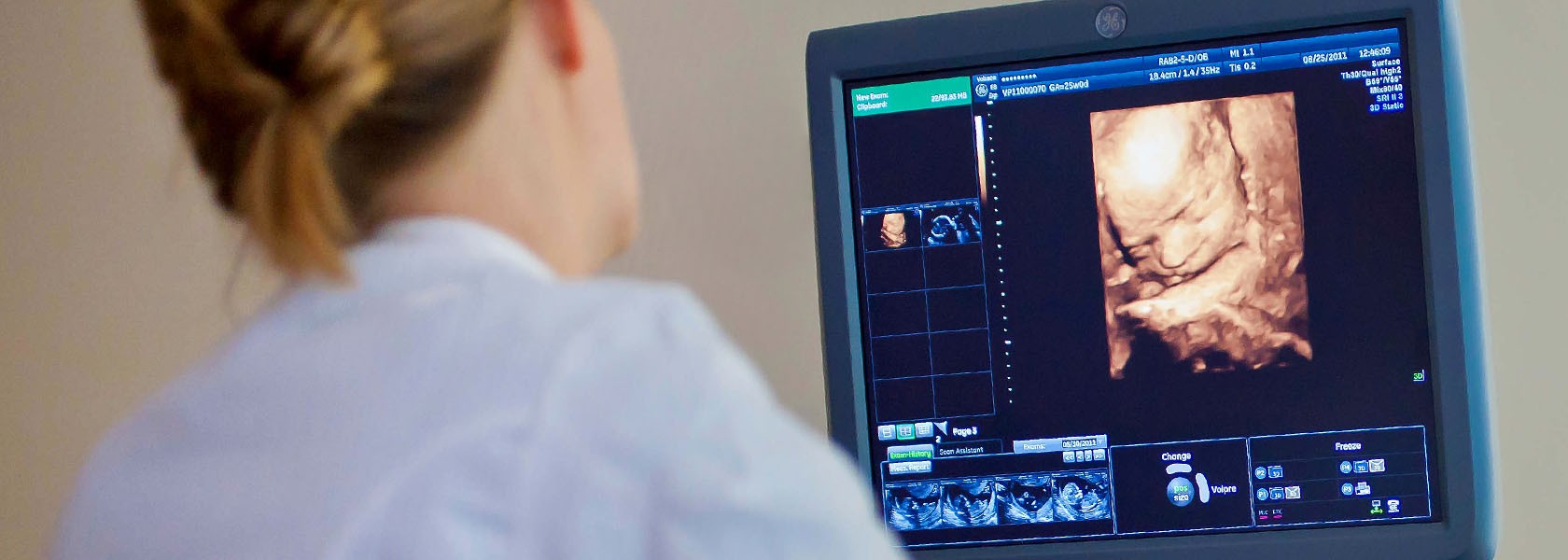

Feto-maternal Immunology
We aim to understand the immune system during pregnancy in order to improve maternal and offspring’s health.

“We aim to understand the immune system during pregnancy in order to improve maternal and offspring’s health.”
Prof. Dr. Petra Arck
Project details and goals

Determinants of successful reproduction have emerged over millions of years in order to ensure survival of mammalian species. We utilize pre-clinical models and seek to translate resulting insights into the comprehensive evaluation of large human pregnancy studies with known outcomes and corresponding bio-samples. Our research also serves as a blueprint to inform multiple areas in the field of immunology, such as infection and autoimmunity.
Current projects
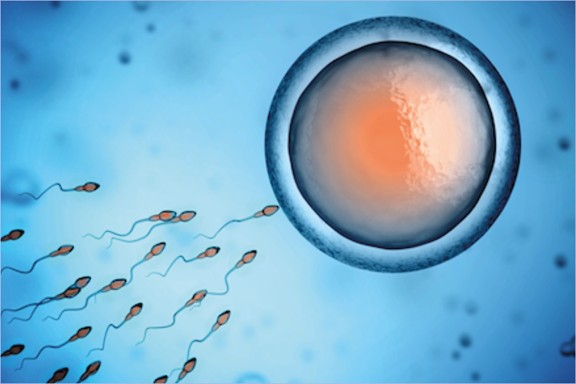
Biomarkers and Digital Technologies for Determining the Fertile Window in the Cycle and their Use for Contraception (CONtraCEPT)
The changing attitudes towards more natural, low-intervention contraception signify a deep shift in how women perceive their contraceptive options. As a growing number of women prefer methods with fewer side effects, the use of hormonal contraceptives is decreasing. This shift is reflected in increasedpopularity of cycle-tracking apps and birth control wearables, though many lack thorough scientific validation and often do not accurately pinpoint the fertile window. The
This project is funded by the

Employing artificial intelligence and advanced computational technologies to identify cell-cell interactions between pregnancy-induced maternal microchimeric cells and fetal cells
During pregnancy, maternal cells migrate into fetal organs, where they come into direct contact with the fetus's genetically distinct immune cells. Mouse modelshave shown that the presence of these cells – known as maternal microchimericcells – influences offspring brain development and behavior. However, the mechanisms underlying the cell-cell interactions between maternal and fetal cellsremain largely unexplored. Our project aims to investigate the communicationand signaling pathways between maternal microchimeric cells and fetal microglia. Microglia are brain-resident immune cells that play a crucial role in maintaining brain homeostasis and largely self-renew throughout the lifespan. In an international collaboration, we will employ state-of-the-art techniques in Hamburg to generate datasets of maternal microchimeric cells within fetal mousetissues. Subsequently, our collaborators in Daejeon, South Korea, will analyzethis data using high-performance computing and transformer-based artificialintelligence to uncover the mechanisms driving these cell-cell interactions. By leveraging specialized expertise from both Germany and South Korea, we canovercome significant challenges in studying interactions between cells fromgenetically distinct hosts.
This project is funded by the DFG, matched by funding from the Korean Science Foundation.

Collaborative Research Center 1713
In the CRC1713, we pursue an interdisciplinary and interprofessional approach, structured in two project areas and. This will enable us to characterize maternal immune activation (MIA) and to explore the consequences of MIA for the healthof pregnant women and their offspring. To address our aims, we will utilize established and novel preclinical models, readily available datasets, and biosamples from longitudinal human pregnancy studies, along with integrateddata science approaches. Our initiative also promotes cross-disciplinary trainingof early-career scientists, pivotal for advancing the next generation of expertsdevoted to pregnancy-related research. We envision that our translational approach will enable us to develop accurate and reproducible monitoring toolsfor immune activation in pregnant women. This will ultimately allow us to translate these findings into practical applications that improve the health and well-being of both mother and child.
For an overview of all project, see here
The CRC1713 is funded by the DFG.
Vaccines 360 degrees: Optimizing the use of vaccines for overall health benefits
Vaccines are extremely important public health interventions, but vaccine science and vaccine confidence are challenged. The vaccine debate is becoming polarised and politicised. This hampers vaccine science and fuels vaccine hesitancy. VAC360 aims to unite dispersed research groups working on broader immunomodulatory vaccine effects, immune training and vaccine hesitancy across Europe. Including a broad range of stakeholders, the objectives include to (i) establish common protocols and platforms for multi-country studies of the broader and overall health effects of vaccines, (ii) provide biomarkers, (iii) map the monitoring of broader vaccine effects across Europe, (iv) create a collaborative European network to empower young researchers to study vaccines, (v) depolarise the vaccine debate, and (vi) establish a structured dialogue with vaccine policy-makers to ensure that scientific evidence on broader vaccine effects informs vaccination policies and strengthens trust through transparent, evidence-based governance with the overriding aim to achieve impactful vaccination programs with optimised timing and scheduling of vaccines across the lifespan.
This network is funded with the COST Action program (European Cooperation in Science and Technology), an EU-funded initiative.
The Main Proposer is Christine Stabell Benn (University of Southern Denmark).

Long-term programming of sex differences in immunity by prenatal exposure to stress
Prenatal adverse environments including the exposure to stress adversely program immunity later in life. Hereby, significant sex differences in childhood and during adult life have been observed. We here investigate how fetal exposure to prenatal glucocorticoid surges differentially modulates long-term immunity later in life of male and female offspring. This project is embedded in the RU5068
Further information:
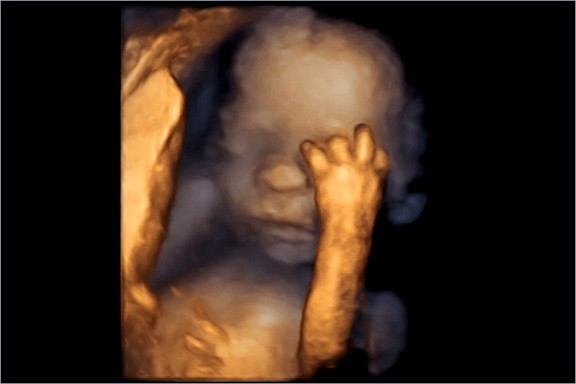
Prediction of preterm birth - prevention of inequality among children
Each year, approx. 15 million babies worldwide are born prematurely, before gestation week 37. These children have an increased risk to die during their first year of life and to develop health problems. Despite continuous progress made in the field of preventive medicine over the last decades, the options to predict preterm birth are still very poor. Therefore, it is the goal of our project to characterize biological signatures that are predictive for preterm birth at a time point during pregnancies when no risk can be foreseen. Such knowledge will then inform future prenatal care and allows to identify pregnancies at risk for preterm birth by clinical routine screening. This project is funded with the Next Generation Partnerships Initiative of the BMBF/Excellence Initiative Hamburg
Further information:

Sexual and Reproductive Health in Overweight and Obesity
Overweight and obesity currently affects one third of the population in industrialized countries, including women and men during their reproductive years. During pregnancy, overweight and obesity significantly increases the risk for pregnancy complications and also interferes with fetal development and future health of the children. We are a member of the Interdisciplinary Junior Scientist Research Centre on Reproductive Health. In this centre, Medical and Clinician scientists are promoted to pursue research projects aiming to mitigate the overweight/obesity related health risks during reproduction. This project is funded by the BMBF.

ImplantEU
Embryo implantation in a receptive uterus is critical for mammalian reproduction, yet remains poorly understood. This challenge is particularly significant in human health, as up to two-thirds of human pregnancies are lost due implantation failure. Much remains unknown about the molecular pathways and regulatory mechanisms of embryo-endometrial/decidual interactions in humans. We here aim to develop an epigenetic blueprint of immune cells subsets during implantation. This project is embedded in a Doctoral Networks funded by Horizon 2023 (Website is currently being created).
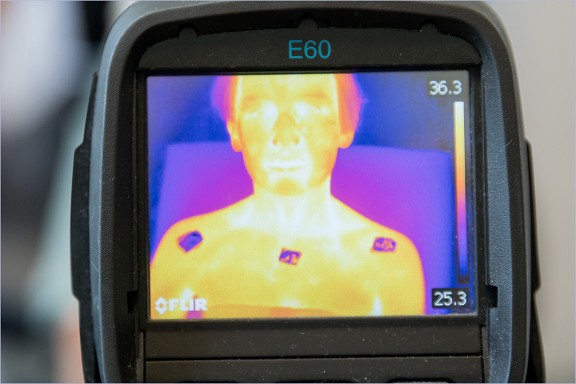
Early determinants of health and diseases
The developmental trajectory of a child is shaped by a multitude of internal and external factors to which the mother is exposed to during pregnancy. These factors contribute to both the susceptibility to illnesses and the emergence of developmental disorders. As a member of the German Center for Child and Adolescent Health (https://dzkj.org), we aim to delineate the health hazards arising from the interplay between inherent predispositions and the dynamic environmental landscape. Additionally, we endeavour to elucidate the risk and resilience elements, and unravel the intricate mechanisms underpinning the onset of prevalent childhood diseases.
Publications 2026
Cai S, Wieczorek A, Urbschat C, Solano ME, Zeng Y, Arck PC, Diao L, Thiele K. Am J Physiol Endocrinol Metab. 2026 Aug 1;331(2):E154-E164. doi: 10.1152/ajpendo.00520.2025
Abstract
The impact of metabolic reprogramming on immune cell functions is increasingly recognized. However, it remains largely unexplored in terms of immune cell adaptation during reproduction. Dendritic cells (DC) are crucial for establishing and maintaining pregnancy by orchestrating maternal immune adaptation essential for embryo implantation and decidualization. Here, we characterized the phenotypic and metabolic characteristics of DCs during early pregnancy in an allogeneic mouse model and in response to the specific deletion of hormonal receptors on DCs. The frequency of uterine CD11c+ DCs on gestational day 7.5 remained equal to that of nonpregnant mice. However, we observed a functional shift from conventional DC 1 (cDC1) to cDC2 in pregnant mice. In parallel, a metabolic switch in uterine DCs was identified by upregulation of genes representing fatty acid synthesis (fatty acid synthase and acetyl-CoA carboxylase), fatty acid oxidation (carnitine palmitoyltransferase Ia), and glutamine-related metabolic pathways (Got2). The cell-specific deletion of the glucocorticoid receptor in DCs reduced their major histocompatibility complex II expression, accompanied by a reduction in Got2 expression. Glutamine deprivation in vitro dramatically reduced the absolute number of cultured bone marrow cells and the frequency of cDC1s while simultaneously increasing the frequency of cDC2s. Collectively, these findings establish glutamine metabolism as a key driver of DC adaptation during early pregnancy, revealing novel metabolic-immunological cross talk at the maternal-fetal interface.
Stelzer IA, Gillard J, Urbschat C, Thiele K, Feyaerts D, Pagenkemper M, Tallarek AC, Hollwitz B, Sato M, Ganio E, Diop M, Ando K, Einhaus J, Aghaeepour N, Stevenson DK, Gagliani N, Woestemeier A, Bonn S, Diemert A, Arck PC, Gaudillière B. Nat Commun. 2026 Jul 27;17(1):7121. doi: 10.1038/s41467-026-75605-5.
Abstract
The majority of spontaneous preterm births (sPTB) occurs without identifiable clinical indications or apparent risk factors. A dysregulated maternal immune adaptation at delivery has been associated with sPTB. Yet, a precise understanding of maternal immune dynamics preceding sPTB remains lacking. Here we show, in a nested case-control study within a low-risk, population-based pregnancy cohort, that an abnormal immune adaptation in mothers' blood precedes sPTB by weeks to months and discriminates sPTB cases from term controls (AUROC: 0.7). Prominent features include enhanced immune cell responses to an adrenergic stimulus during the first and second trimesters, followed by increased production of pro-inflammatory cytokines in the third trimester in sPTB vs. term pregnancies. Transcriptome analysis of second trimester single-cell CD4+ T cells reveals a Th17-skewed, neuroactive-protein responsive phenotype in sPTB pregnancies. Our study provides a multi-omics resource and a conceptual framework for early identification of individuals at increased risk for sPTB with broad translational implications for advancing targeted preventive measures.
Publications 2025
Urbschat C, Arck PC. Semin Immunopathol. 2025 Aug 6;47(1):33.
Abstract
Microchimerism refers to the presence of a small number of foreign, mostly conspecific, cells within an individual. Decades ago, the pioneering researcher in this field faced significant skepticism because the prevailing view was that foreign cells could not survive for long periods inside the host. Today, the existence of microchimerism is widely accepted. Nonetheless, the field still lacks a clear quantitative definition, especially in mammals. There is no universally agreed threshold or precise boundary that qualifies as microchimerism. Additionally, distinguishing microchimerism from other types, such as ‘macrochimerism’ or ‘multichimerism,’ remains difficult. Although its functional role is largely an unresolved mystery, recent studies show that chimerism plays an essential role during immune and neurocognitive development. Here, we compile a comprehensive collection of articles highlighting recent advances across different areas of chimerism research and summarize the known types of chimerism and their modes of acquisition.
Thiele K, Urbschat C, Riquelme JIA, Ahrendt LS, Wöhrle R, Schepanski S, Eckert JJ, Becht E, Qi M, Alawi M, Becker M, Gagliani N, Mittrücker HW, Diemert A, Arck PC. Nat Commun. 2025 Jul 15;16(1):6522.
Abstract
Subsequent pregnancies are generally less prone to obstetric complications. A successful pregnancy outcome requires pivotal immunological adaptation to ensure immune tolerance towards the foetus. Thus, the lower risk for pregnancy complication during subsequent pregnancies may be attributable to immune memory mounted during first pregnancies. Here we identify higher frequencies of fetal-antigen-specific CD4+ regulatory T (Treg) cells both postpartum and in subsequent pregnancies in mice which are partly originating from trans-differentiated Th17 cells. Our functional experiments demonstrate that these CD4+ Treg cells have memory functions (CD4+ mTreg) and account for an improved fetal development and pregnancy outcome, also during adverse conditions, such as gestational sound stress. Using a high-throughput single-cell quantification method, we identify candidate markers for the detection of CD4+ mTreg cells, which include CXCR4 and CD274. Our findings thus contribute to the improved understanding of pregnancy-induced immune memory and foster the identification of immune targets aiming to reduce the risk for immune-mediated pregnancy complications.
Wiemers P, Graf I, Addo MM, Arck PC, Diemert A. Semin Immunopathol. 2025 Apr 24;47(1):25.
Abstract
Infectious diseases have threatened individuals and societies since the dawn of humanity. Certain population groups, including pregnant women, young children and the elderly, are particularly vulnerable to severe infections. Over the past few centuries, advances in medical standards and the availability of vaccines have reduced infection-related mortality and morbidity rates in industrialized countries. However, the global rise in temperatures and increased precipitation present a new challenge, facilitating the broader distribution of disease vectors, such as mosquitoes, bugs and ticks, to higher altitudes and latitudes. Consequently, epidemic and pandemic outbreaks associated with these vectors, such as Zika, West Nile, dengue, yellow fever, chikungunya and malaria, are increasingly impacting diverse populations. This review comprehensively examines how infections associated with climate change disproportionately affect the health and well-being of pregnant women and their unborn children. There has been a noticeable emergence of vector-borne diseases in Europe. Consequently, we stress the importance of implementing measures that effectively protect pregnant women from these increasing infections globally and regionally. We advocate for initiatives to safeguard pregnant women from these emerging threats, beginning with enhanced education to raise awareness about the evolving risks this particularly vulnerable population faces.
Padula AM, Salihovic S, Zazara DE, Diemert A, Arck PC. Environ Res. 2025 Apr 1;270:120976.
Abstract
Background: Per- and polyfluoroalkyl substances (PFAS) are persistent and ubiquitous chemicals posing environmental and health risks. Impact on the human immune system is of particular concern, especially during fetal immune development. Alterations to fetal immune development can impact immunity later in life, e.g., the response to vaccines and pathogens.
Objectives: This study investigated the association between PFAS concentrations in healthy pregnant women from Hamburg, Germany, and antibody levels to routine vaccines in childhood and occurrence of childhood infections.
Methods: Mid-pregnancy serum samples from 152 mothers-child pairs were analyzed for 18 PFAS compounds, and antibody levels to measles, mumps, rubella, diphtheria, and tetanus were assessed at age 5. Maternal questionnaires provided data on childhood infections each year at age 1–5. Linear and Poisson regression models were adjusted for maternal age, education, parity, and breastfeeding duration. Weighted quantile sum (WQS) regression was used to assess the PFAS mixture.
Results: Higher PFAS concentrations were associated with lower antibody titers at age 5 years, particularly for mumps, tetanus, diphtheria, and rubella. Several PFAS were also linked to increased childhood infections, especially respiratory infections, during ages 3 and 4 years. WQS regression revealed a negative association between combined PFAS and tetanus titers.
Conclusions: Maternal PFAS concentrations during pregnancy are inversely associated with antibody levels in children and positively associated with increased childhood infections, notably respiratory infections. These findings underscore the importance of understanding environmental exposures' impact on immune responses and call for continued monitoring of PFAS in both the environment and human populations to mitigate health risks.
Previous publications
Yüzen D, Graf I, Tallarek AC, Hollwitz B, Wiessner C, Schleussner E, Stammer D, Padula A, Hecher K, Arck PC, Diemert A. Increased late preterm birth risk and altered uterine blood flow upon exposure to heat stress. EBioMedicine. 2023 Jul;93:104651.
Summary
Background: Climate change, in particular the exposure to heat, impacts on human health and can trigger diseases. Pregnant people are considered a vulnerable group given the physiological changes during pregnancy and the potentially long-lasting consequences for the offspring. Evidence published to date on higher risk of pregnancy complicationsupon heat stress exposure are from geographical areas with high ambient temperatures. Studies from geographic regions with temperate climates are sparse; however, these areas are critical since individuals may be less equipped to adapt to heat stress. This study addresses a significant gap in knowledge due to the temperature increase documented globally.
Methods: Birth data of singleton pregnancies (n = 42,905) from a tertiary care centre in Hamburg, Germany, between 1999 and 2021 were retrospectively obtained and matched with climate data from the warmer season (March to September) provided by the adjacent federal meteorological station of the German National Meteorological Service to calculate the relative risk of heat-associated preterm birth. Heat events were defined by ascending temperature percentiles in combination with humidity over exposure periods of up to 5 days. Further, ultrasound data documented in a longitudinal prospective pregnancy cohort study (n = 612) since 2012 were used to identify pathophysiological causes of heat-induced preterm birth.
Findings: Both extreme heat and prolonged periods of heat exposure increased the relative risk of preterm birth (RR: 1.59; 95% CI: 1.01–2.43; p = 0.045; RR: 1.20; 95% CI: 1.02–1.40; p = 0.025). We identified a critical period of heat exposure during gestational ages 34–37 weeks that resulted in increased risk of late preterm birth (RR: 1.67; 95% CI: 1.14–1.43; p = 0.009). Pregnancies with a female fetus were more prone to heat stress-associated preterm birth. We found heat exposure was associated with altered vascular resistancewithin the uterine artery.
Interpretation: Heat stress caused by high ambient temperatures increases the risk of preterm birth in a geographical region with temperate climate. Prenatal routine care should be revised in such regions to provide active surveillance for women at risk.
Schepanski S, Chini M, Sternemann V, Urbschat C, Thiele K, Sun T, Zhao Y, Poburski M, Woestemeier A, Thieme MT, Zazara DE, Alawi M, Fischer N, Heeren J, Vladimirov N, Woehler A, Puelles VG, Bonn S, Gagliani N, Hanganu-Opatz IL, Arck PC. Nat Commun. 2022 Aug 5;13(1):4571.
Abstract
Life-long brain function and mental health are critically determined by developmental processes occurring before birth. During mammalian pregnancy, maternal cells are transferred to the fetus. They are referred to as maternal microchimeric cells (MMc). Among other organs, MMc seed into the fetal brain, where their function is unknown. Here, we show that, in the offspring’s developing brain in mice, MMc express a unique signature of sensome markers, control microglia homeostasis and prevent excessive presynaptic elimination. Further, MMc facilitate the oscillatory entrainment of developing prefrontal-hippocampal circuits and support the maturation of behavioral abilities. Our findings highlight that MMc are not a mere placental leak out, but rather a functional mechanism that shapes optimal conditions for healthy brain function later in life.
Stelzer IA, Urbschat C, Schepanski S, Thiele K, Triviai I, Wieczorek A, Alawi M, Ohnezeit D, Kottlau J, Huang J, Fischer N, Mittrücker HW, Solano ME, Fehse B, Diemert A, Stahl FR, Arck PC. NatCommun. 2021 Aug 4;12(1):4706.
Abstract
During mammalian pregnancy, immune cells are vertically transferred from mother to fetus. The functional role of these maternal microchimeric cells (MMc) in the offspring is mostly unknown. Here we show a mouse model in which MMc numbers are either normal or low, which enables functional assessment of MMc. We report a functional role of MMc in promoting fetal immune development. MMc induces preferential differentiation of hematopoietic stem cells in fetal bone marrow towards monocytes within the myeloid compartment. Neonatal mice with higher numbers of MMc and monocytes show enhanced resilience against cytomegalovirus infection. Similarly, higher numbers of MMc in human cord blood are linked to a lower number of respiratory infections during the first year of life. Our data highlight the importance of MMc in promoting fetal immune development, potentially averting the threats caused by early life exposure to pathogens.
Kinder JM, Stelzer IA, Arck PC, Way SS. Nat Rev Immunol. 2017 Aug;17(8):483-494.
Abstract
Immunological identity is traditionally defined by genetically encoded antigens, with equal maternal and paternal contributions as a result of Mendelian inheritance. However, vertically transferred maternal cells also persist in individuals at very low levels throughout postnatal development. Reciprocally, mothers are seeded during pregnancy with genetically foreign fetal cells that persist long after parturition. Recent findings suggest that these microchimeric cells expressing non-inherited, familially relevant antigenic traits are not accidental 'souvenirs' of pregnancy, but are purposefully retained within mothers and their offspring to promote genetic fitness by improving the outcome of future pregnancies. In this Review, we discuss the immunological implications, benefits and potential consequences of individuals being constitutively chimeric with a biologically active 'microchiome' of genetically foreign cells.
Engels G, Hierweger AM, Hoffmann J, Thieme R, Thiele S, Bertram S, Dreier C, Resa-Infante P, Jacobsen H, Thiele K, Alawi M, Indenbirken D, Grundhoff A, Siebels S, Fischer N, Stojanovska V, Muzzio D, Jensen F, Karimi K, Mittrücker HW, Arck PC*, Gabriel G*. Cell Host Microbe. 2017 Mar 8;21(3):321-333.
Abstract
Pregnant women are at high risk for severe influenza disease outcomes, yet insights into the underlying mechanisms are limited. Here, we present models of H1N1 infection in syngenic and allogenic pregnant mice; infection in the latter mirrors the severe course of 2009 pandemic influenza in pregnant women. We found that the anti-viral immune response in the pregnant host was significantly restricted as compared to the non-pregnant host. This included a reduced type I interferon response as well as impaired migration of CD8+ T cells into the lung. The multi-faceted failure to mount an anti-viral response in allogenic pregnant mice resulted in a less stringent selective environment that promoted the emergence of 2009 H1N1 virus variants that specifically counteract type I interferon response and mediate increased viral pathogenicity. These insights underscore the importance of influenza vaccination compliance in pregnant women and may open novel therapeutic avenues.
Team


Prof. Dr. med. Petra Arck
Head
Dean’s office for Research
Project leader - Experimental Feto-Maternal Medicine
E-mail address: