 UKE Homepage
 DE
DE
/2024-relaunch/logo/logo_ucc_hamburg.svg)
Mildred Scheel Cancer Career Center Hamburg
The aim of MSNZ Hamburg is to strengthen interdisciplinary, interprofessional, and interinstitutional collaboration and to highlight attractive career paths in translational cancer research for clinicians and medical scientists.
/2024-relaunch/logo/logo_msnz_hh_hatrics_10_2024_st_plus_300x1.jpg)
Our funding program HaTriCS4 (Hamburg Translational Research in Cancer: Stimulating, Shaping and Sustaining Scientific Careers), which focuses on “dissemination and metastasis,” aims to support oncology researchers in the early and middle stages of their careers. German Cancer Aid has been funding our program since 2019. The measures are aimed at doctors working in science (known as clinician scientists) and scientists working in cancer research (medical scientists).
/bilder/logos/dkh_logo_cmyk_gefoerdert_durch_st_plus_576x1.png)
Our goals
Our stated goal is to strengthen interdisciplinary, interprofessional, and interinstitutional collaboration and to identify and create transparent and attractive career paths in translational cancer research for clinicians and medical scientists, both in academic research and in science-related fields and professions. We support our grantees as best we can with all the resources at our disposal. A particular focus is on achieving the following milestones:
/2024-relaunch/bilder/_ak_3789_st_plus_576x1.jpg)
- Establishment, support, and guidance of interdisciplinary partner laboratories consisting of a team of medical and clinician scientists.
- Consolidation of a multi-stage, competitive tenure track system for outstanding cancer researchers to create transparent, long-term career paths at the site.
- Expansion of the clinician scientist concept to create guaranteed research time in everyday medical practice.
- Inclusion of the partner network in the Hamburg metropolitan region and other academic university locations (Kiel, Lübeck) in northern Germany.
Further infrastructure measures
- Organization of an annual career fair – Cancer Careers Day
- Expansion of core facilities in the field of experimental tumor models and bioinformatics to support translational cancer research at the site
- Development of a structured and innovative oncology/tumor biology teaching and training program for scientific recruitment and development, particularly in the early and mid-career stages
- Establishment of interdisciplinary mentor teams, coaching as a means of career planning and on the path to leadership, and targeted continuing education and training for those receiving support in individually defined areas of focus
- Needs-based support for work-life balance with a special focus on families/parents of young children
Tenders
If you have any questions about the calls for proposals or financial support opportunities, please feel free to contact our team at any time (
Funding opportunities at MSNZ Hamburg
The MSNZ is a “living project,” which means that we can and should constantly reinvent ourselves, which is a great privilege compared to other support programs. The MSNZ offers various funding lines, each tailored to different career stages and the needs of the target groups. These are continuously evaluated, discussed, and, where possible, adapted to your feedback as part of the project. It is therefore very important for us to receive regular feedback from you, whether in the form of interim reports, low-threshold monthly meetups, or written surveys.
Calls for applications are usually issued once a year for short-term CS fellowships and every two to three years for CS and MS fellowships and partner laboratory funding. Here we would like to give you a brief overview of the various funding opportunities. You will also find open calls for applications here. For information on how to structure your project application, please use the link “Application Instructions,” where you will always find instructions for the current or most recent open call for applications for your reference.
Co-financing of the submitted project proposals by the participating departments (e.g., in the form of material resources or proportional funding of positions) is strongly encouraged in order to strengthen the joint commitment to contributing to the success of the projects and to your support and career development.
Funding components:
Translational project: Team consisting of clinician scientist (clinician) & medical scientist (postdoc)
This funding line within the MSNZ program supports the establishment of independent research groups, known as partner laboratories, in which clinicians and life scientists form interdisciplinary teams. For these partner laboratories, we are looking for life scientists (postdocs) with a focus on translational cancer research who would like to work on research projects in a team with a clinical scientist. Based on a jointly developed project proposal by the team partners (with two clearly defined subprojects), the MS position will be funded up to 100% and the CS position up to 50% for an initial period of up to two years.
In addition, funds for additional staff (technical assistants, research assistants, doctoral students) and material resources can be requested.
In addition, you will become part of the MSNZ community and benefit from our additional career support, such as:
- Travel allowances (for participation in conferences with own contribution or visits to cooperation partners),
- Further education and training in relevant scientific and leadership skills (e.g., grant writing, self-marketing, micropolitics, bioinformatics, scientific writing techniques, etc.)
- (Peer) mentoring, individual coaching, and counseling
- Embedded in a strong, supportive community and an information network within the “Junior Faculty” of the UCC Hamburg
Tender:
Deadline / Application:
No open call for applications at present
Funding components:
The Short-Term CS Fellowship is a short-term grant from CS that can be applied for with the following project goals:
- Method establishment/launch of new project
- Pilot study or preclinical experiments (in preparation for applications or publications)
- Clinical trial
- Start-up financing after parental leave
The MSNZ pays two-thirds of a 50% exemption for a maximum period of 12 months, with the applicant's institution/clinic contributing the difference to a 50% position.
In addition, you will become part of the MSNZ community and benefit from our additional career support, such as:
- Travel allowances (for participation in conferences with own contribution or visits to cooperation partners),
- Further education and training in relevant scientific and leadership skills (e.g., grant writing, self-marketing, micropolitics, bioinformatics, scientific writing techniques, etc.)
- (Peer-) mentoring, individual coaching, and counseling
- Embedded in a strong, supportive community and an information network within the “Junior Faculty” of the UCC Hamburg
Call for applications:
Deadline:
March 15, 2026, at 12 noon
This funding is intended to enable clinical scientists with an MD/Dr. med. degree to achieve scientific independence or to support them on their way to doing so. It provides funding for exemption from clinical work as well as start-up capital for consumables and, to a limited extent, support staff (with justification based on content).
In addition, you will become part of the MSNZ community and benefit from our additional career support, such as:
- Travel allowances (for participation in conferences with own contribution or visits to cooperation partners),
- Further education and training in relevant scientific and leadership skills (e.g., grant writing, self-marketing, micropolitics, bioinformatics, scientific writing techniques, etc.)
- (Peer-) mentoring, individual coaching, and counseling
- Embedded in a strong, supportive community and an information network within the “Junior Faculty” of the UCC Hamburg
The following are eligible for funding:
- Clinical trials
- Innovative research projects with a clear focus on scientific independence
- Innovative cooperation projects with external partner institutions (preferably in the region)
Tenders:
Deadline / Application:
15. November 2026
This funding is intended to help scientists take their first steps toward scientific independence after completing their doctorates (usually 1–5 years after graduation). It provides funding for their own positions as well as start-up capital for consumables and, to a limited extent, for support staff (with justification based on content).
In addition, you will become part of the MSNZ community and benefit from our additional career support, such as:
- Travel allowances (for participation in conferences with own contribution or visits to cooperation partners),
- Further education and training in relevant scientific and leadership skills (e.g., grant writing, self-marketing, micropolitics, bioinformatics, scientific writing techniques, etc.)
- (Peer-) mentoring, individual coaching, and counseling
- Embedded in a strong, supportive community and an information network within the “Junior Faculty” of the UCC Hamburg
Funding is provided for:
- Innovative research projects with a clear focus on scientific independence
- Innovative cooperation projects with external partner institutions (preferably in the region)
Tenders:
Deadline / Application:
No open call for applications at present
This MSNZ Fellowship is intended to facilitate the transition to a scientific leadership position (e.g., established group leader/(junior) professorship) for clinicians and medical scientists who are on the verge of scientific independence.
We provide funding for a maximum period of 12 months to enable applicants to establish/sharpen their own research profile. This funding can be used on a project-specific basis and flexibly for the applicant's own position or elsewhere.
Tenders:
No call for proposals at present (funding line will be evaluated in 2026)
Events
In addition to continuing education and training opportunities, the MSNZ offers various events for exchange, networking, and continuing education that are open to all researchers at both the UCC Hamburg and the entire UKE.
/2024-relaunch/bilder/pexels-photo-3184360_st_plus_768x1.jpeg)
/msnz/bilder/elphi_20161111_43_st_plus_768x1.jpg)
Former and current MSNZ fellows meet online on the first Tuesday of every month from 5:30 p.m. to 6:30 p.m. to exchange ideas. The MSNZ team and the Fellow Board invite participants to attend (recurring event). At the meetings, the team and board share important information, e.g., from the executive board or the MSNZ network, and inform all interested parties about planned measures or events. In addition, at each meeting, Dr. Lena Marbacher (Participation & Evaluation Coordinator) gives a short presentation on exciting topics related to university careers, such as “How does a faculty work?”, “collegial consultation,” “micro-politics,” “organizations,” and more. During the meetings, small teams can also be put together for individual collegial case consultations, which are then organized separately.
Recipients can also suggest topics for discussion at the meetings, ideally sharing these in advance with the MSNZ team or board members by email. In addition, the meetings serve as an opportunity for recipients to get to know each other and exchange ideas, as well as to initiate cross-institutional and cross-clinic collaborations. All MS and CS who have not yet been funded by MSNZ are also welcome to participate. Occasionally, the meetings will take place in person or will be combined with a joint dinner following the online event; this will be announced separately in advance.
During the meetings, all current and former grant recipients, as well as all associated CS and MS, elect two spokespersons (and deputies) every two years to represent the interests of the grant recipients on the MSNZ board.
The next election is scheduled for spring 2027. If you are interested in participating, please contact us at
Participation in conferences/meetings
Those currently receiving funding have the opportunity to participate in scientific meetings and conferences (with their own contribution) or to travel to collaboration partners in Germany and abroad during their funding period. To do so, recipients should send an email to the center's coordination office with their specific request, a justification for the trip, and a detailed cost estimate. The coordination office will then coordinate the coverage of costs with the board and the DKH.
Contact person: Dr. Inga Melzer,
MSNZ training opportunities & individual support
Lifelong learning and personal development are an integral part of an academic career.This includes:
- technical and scientific training courses, e.g. to learn new techniques, as well as
- Science-related continuing education courses, e.g., on the use of specific software for data analysis and graphical representation, science communication, scientific writing, presentation skills, and third-party funding acquisition
- In addition, we also encourage our researchers to develop their skills in leadership and communication techniques, project management, research marketing, and the use of professional networks, as well as other skills often unjustifiably referred to as “soft skills,” and we offer a variety of workshop formats for this purpose.
Interdisciplinary continuing education
executive training
The MSNZ organizes accompanying leadership training for medical scientists and clinician scientists. This takes the form of two to three workshop days per year. The topics covered in the workshops include career planning and reflection. In addition, participants receive further training in areas such as time management, leadership styles, job application training, conflict management, presentation skills, and public speaking. Participation in the leadership training program is mandatory for all participants with the exception of Short-Term CS participants.
Lecturer/coach: Dr. Regina Pingel,
Organizer and contact person: Dr. Inga Melzer,
Mentoring
The aim of the program is to promote and support researchers in the natural sciences (medical scientists) and physicians (clinician scientists) in their career paths. At the beginning, the mentee formulates their expectations and wishes within the framework of the mentoring relationship and is responsible for the learning process. The mentor serves as a source of inspiration for the mentee and agrees to share their knowledge, experience, and network.
Each person supported by the MSNZ should be accompanied by two mentors, one from within the UKE and the second from outside, ideally working in the same scientific field as the mentee.
Mentoring is clearly distinct from coaching; you can find an explanation of the terms here:
UKE management certificate
The UKE Leadership Certificate is a compact two-day leadership training course offered by the UKE Academy for Education and Career Development. It teaches and discusses specific leadership knowledge at the UKE (e.g., the UKE's understanding of leadership). It also focuses on the exchange of experiences and key leadership topics (e.g., occupational safety, labor and collective bargaining law, and quality management). Managers from all professional groups at the UKE can participate in this leadership training program. Interprofessional exchange is explicitly encouraged.
Link to current training dates and registration information:
Project management
Project management at universities is the systematic application of methods, organization, and techniques to successfully complete projects within defined time and budget constraints and in compliance with quality objectives. It encompasses the planning, implementation, control, and completion of projects such as the development of new courses, research projects, or the introduction of new administrative systems. It is not only about coordinating tasks, but also about managing stakeholders, risks, and changes to ensure success.
As part of the MSNZ curriculum, we usually organize a corresponding workshop from an external provider specifically for our scholarship recipients once or twice every two years.
You can find more opportunities to participate in project management workshops free of charge here:
Self-marketing & visibility
Self-marketing and visibility in academia involve strategically presenting yourself and your research in order to strengthen your reputation, career opportunities, and the impact of your research. Self-marketing means consciously communicating your strengths and achievements in order to be perceived as a “brand,” for example through publications, lectures, and the use of social media.
Visibility is the result of these actions—proactively shaping your own perception in order to gain visibility and position yourself as an expert.
The workshops on self-marketing and visibility usually take place once or twice every two years and are offered by our coach and trainer Anna Momber.
You can find Anna on LinkedIn here:
In addition to the training sessions at MSNZ, Anna also offers occasional free online taster courses and inputs – feel free to take advantage of this opportunity to get to know Anna!
Micropolitics
Micropolitics at universities refers to the everyday power games and attempts to exert influence within the university, in which actors try to assert their personal or group-related interests. This is done through various strategies such as forming alliances, targeted self-promotion, and using relationships to influence decisions and resources. Micropolitics is not always overt or destructive, but often subtle and defined by the way power and influence are exercised in everyday interactions.
Particularly due to the precarious and often dependent situation in which you as a “mid-level academic” often find yourself, it is very important to stay up to date on strategic processes, ongoing developments, and trends at your faculty, also in order to actively participate in these processes, to become visible with what you stand for, and thus to influence your academic career and professional future.
At MSNZ, we organize approximately 1–2 workshops on this topic within two years (trainer tba).
In addition, you can use the monthly meetup (Fellow Board & collegial exchange) to find out what is currently happening in your areas and focus areas as well as within the faculty. We always provide you with the best possible information about opportunities to get involved in strategic projects; in addition, your elected Fellow representatives, who represent your interests on the MSNZ board, are your “micro-political voice” at UCC Hamburg.
Technical and scientific training
Systematic review and meta-analysis
Every two years, the center organizes a two-day workshop on “Systematic Review and Meta-Analysis” for all grant recipients. This course covers the following topics:
- Fundamentals: Relevance, forms, benefits, and problems of systematic reviews
- Preparation of systematic reviews 1: Preparation, formulation of the research question, search for studies
- Preparation of systematic reviews 2: Study inclusion, data extraction, assessment of study quality
- Preparation of systematic reviews 3: Data synthesis (meta-analysis), interpretation, report
Participants are also welcome to bring their own ideas, projects, questions, studies, or data to this workshop so that we can work on and discuss them together.
Lecturer: Prof. Dr. Levente Kriston,
R-Course
Once or twice every two years, the Center offers a basic R course for all grant recipients in collaboration with the UKE Core Facility Bioinformatics. The aim of this full-day course is to teach participants how to enter experimental data into R and how to use the ggpubr package to create publication-ready figures.
Lecturer: Dr. Malik Alawi,
Statistics & Consulting
The UKE Institute for Epidemiology and Biometry offers statistics courses and consulting services for all UKE scientists.
Information about the institute's services can be found on the following website:
Various consulting services are available there for researchers at the UKE. In addition to traditional statistical consulting, the IMBE also offers walk-in consulting for quick questions, assisted work for your own data analysis with on-site support, and software courses.
Walk-in consulting and assisted work are always available on Mondays between 1:00 p.m. and 4:00 p.m.
Science-based continuing education
The graphical representation of data in science is known as data visualization: the conversion of information into visual forms such as diagrams, graphs, or maps to make complex data easier to understand and to identify patterns, trends, and outliers more easily.
It serves to present research results and correlations in a clear manner and to support the human brain in understanding and analyzing data.
At MSNZ, we offer an annual online lunch workshop in cooperation with UCCSH and the
Helena is a proven expert in data visualization and, in addition to workshops and a blog on her website, also offers a wealth of helpful information and free tools:
Science communication is the dialogue and exchange between science and target groups outside the scientific community, such as the general public, politics, and business. It serves to convey scientific findings, methods, and working practices in an understandable way in order to promote public understanding, but also to gain inspiration for research.
This process involves presenting research results in various formats, such as articles, podcasts, exhibitions, or videos, both internally (within the scientific community) and externally (to the general public).
You can find free courses on this topic at our partner, the
A scientific presentation is a structured presentation of research results, data, and findings for a specialist audience, which serves to convey information, stimulate discussion, and arouse interest. It aims to explain complex topics in a clear and understandable way, often supported by visual aids such as slides, graphics, or tables to increase comprehensibility and stimulate discussion.
To help you hone your presentation skills, we have once again engaged
So if you have a presentation coming up that could be decisive for your career, e.g., at a conference or during a job interview, feel free to contact us for coaching at
Further information on this topic will be provided shortly.
Research proposals are the lifeblood of every researcher. The ability to write good research proposals is essential for you, especially on the path to scientific independence. Successful proposals secure funding for the resources you need for your projects and to implement your ideas, whether in the form of material resources or your first staff, enabling you to establish and expand your leadership role.
For this reason, we offer a two-day workshop once a year with our outstanding trainer Dr. Leonie Ringrose. Dr. Ringrose is a former professor at Humboldt University in Berlin with extensive experience in third-party funding acquisition and the evaluation of third-party funding applications, including on the ERC Starting Grant Panel. She also performs improvisational theater and has been giving courses and workshops on various scientific topics for more than 30 years.
The workshop with Dr. Ringrose is regularly fully booked and in high demand; we are delighted that we will be able to continue offering it to MSNZ Fellows and other researchers at the UCC Hamburg in the future.
The workshop date for 2026 will be announced here shortly.
You can find out more about Leonie Ringrose on her website:
Support for research and conference trips
MSNZ grant recipients have the opportunity to participate in scientific meetings and conferences or to travel to collaboration partners in Germany and abroad during their funding period. To do so, recipients should send an email to the MSNZ team with their specific request, a justification for the trip, and a detailed cost estimate. The MSNZ team will then coordinate with the board and the DKH to cover the costs.
Individual coaching
Every person currently receiving active support from MSNZ is entitled to a total of 6 hours of individual coaching over a period of 2 years on topics of their choice (e.g., job applications, negotiations, presentations, conflicts). As a rule, the 6 hours are divided into 4 sessions of 1.5 hours each. The selection of coaches is left to the discretion of the participants. We are also happy to receive suggestions from you if, for example, you have already had good experiences with coaches in other programs.
It is usually possible to book a non-binding, free initial consultation with any coach to determine whether you are a good fit for each other. Once you are sure that you have found the right coach for you, contact the MSNZ team. We will request cost coverage from our funding agency and take care of the necessary contract for billing the hours.
Our coaches (as of 12/2025)
/2024-relaunch/bilder/dr.-regina-pingel_st_plus_300x1.png)
/2024-relaunch/bilder/joanna-bouchi-h%C3%A4fner_st_plus_300x1.jpg)
Dipl-Psych.
/2024-relaunch/bilder/anna-momber-performance-coach-1-1_900_st_plus_300x1.png)
/2024-relaunch/bilder/jutta-schwarz_st_plus_300x1.jpg)
Interesting facts
Additional services offered by the Mildred Scheel Centers for Young Researchers in Germany:
Research & Family
A central component of our program is providing the best possible support to our grantees who have educational and/or caregiving responsibilities. Leadership, research, and family should be compatible—with reliable support and flexible assistance in everyday life.
The UKE already offers a wide range of services through
In addition, our MSNZ grant recipients can take advantage of additional services. Since 2020, we have been cooperating with the
If you are interested and need assistance, please contact the MSNZ team. We will be happy to help you make initial contact and take care of the organizational details (contracts, billing).
/2024-relaunch/bilder/schwangerenberatung-20250711-6_st_plus_576x1.jpg)
In addition, we offer all oncology researchers personnel support for laboratory work in connection with maternity leave and parental leave, but also beyond that to support researchers with childcare or caregiving responsibilities. This usually includes funding for proportional, temporary support from technical staff or research assistants in the laboratory, so that researchers do not have to carry out all laboratory tasks themselves. In extreme cases, for example, research activities can continue during parental leave and the data generated in the laboratory by the additional staff can be evaluated at home. If you require such support, please email
Among many other things, we naturally also support our scholarship recipients in balancing their careers and family lives.
To this end, we launched a partnership with Hamburg-based “Notfallmamas” (Emergency Moms) in June
MSNZ HH: How did you come to use the services of the “emergency moms”?
S.W.: After the end of the first coronavirus lockdown, my wife and I needed to return to the office and the laboratory. A master's thesis and a doctoral thesis had to be completed, and the existing IT infrastructure did not allow us to permanently do without the computers in the office and do everything remotely.
Unfortunately, our daughter's school was still closed at that time. The home schooling options were also very limited or were carried out efficiently, so she had to stay alone many mornings and afternoons and spent most of her time watching TV and playing video games.
In this situation, the offer from the “emergency moms” came at just the right time. Our “emergency mom” was able to look after our daughter several times a week for four hours a day, which greatly eased the situation and allowed us to work without feeling guilty or having to leave work early.
MSNZ HH: Was it quick and easy to establish a partnership/get to know the caregiver?
S.W.: The agency was very determined in finding us a match. It only took two phone calls. Getting to know each other was completely uncomplicated. Our emergency mom comes from our neighborhood, she was a student teacher at the time, she is a big Harry Potter fan like our daughter, and she even went to the same school as our daughter until middle school. So our emergency mom was perfect.
MSNZ HH: How satisfied were you with the care provided? Did it meet your expectations?
S.W.: We were very satisfied with the care provided, particularly because the emergency mom got on so well with our daughter. They both worked for school first and then did something fun together.
MSNZ HH: Would you use the services of the “emergency moms” again if necessary, and would you recommend them to others?
S.W.: Yes, definitely. It was a great service, and of course we would prefer to have the same emergency mom again. However, I hope there won't be any more emergencies. The best thing would be for the school to remain open and for our daughter to spend her time with her classmates.
Another option for family support is the
MSNZ HH: How did you come to use the services of the emergency mother service?
MM: I heard from a colleague that support for balancing work and family life for MNSZ grant recipients was also possible beyond the usual options available at the UKE, so after the grant was approved and the period of support was determined, I contacted Ms. Melzer at the MSNZ. Since my wife, who works full-time, became pregnant for the third time shortly before my funding period began, we had a great need for additional support beyond daycare at home and were looking for suitable and reliable care for our children. Ms. Melzer then put us in touch with the emergency mother service.
MSNZ HH: Was it easy to establish a partnership/get to know the caregiver?
MM: The biggest challenge was defining our regular childcare needs—in a family context, you don't often plan that far ahead, over several weeks. Once we had decided on which days and for how long we needed care, the Notmütterdienst service was very quick to respond. In theory, even very short-term “emergency care” is possible. However, because we were interested in a long-term relationship with a caregiver, we “only” had our first meeting the following week – much sooner than we had expected.
MSNZ HH: Wie zufrieden sind Sie mit der Betreuung/Entspricht die Betreuung Ihren Erwartungen?
MM: Der Notmütterdienst ist sehr flexibel und passt sich den individuellen Bedürfnissen der Familie sehr an. Die Betreuerin, die sich jetzt um unsere Kinder kümmert, ist sehr herzlich, pünktlich und zuverlässig.
MSNZ HH: Würden Sie die Leistungen des „Notmütterdienstes“ weiterempfehlen?
MM: Absolut. Die Betreuung durch jemanden jenseits von Familie und Kita war ein Schritt für uns, der uns nicht ganz leicht gefallen ist. Ein Ersatz für die Großeltern nebenan, die im Prinzip immer da und sehr kurzfristig verfügbar sind und schon lange eine Beziehung zu den Kindern haben, ist auch der Notmütterdienst nicht. Aber ein sehr wertvoller und hilfreicher Baustein in einer individuellen Planung von Familie und Beruf.
Team
/2024-relaunch/bilder/kontaktbild-carsten-bokemeyer_st_plus_300x1.jpg)
Carsten Bokemeyer
Prof. Dr. med. Carsten Bokemeyer has been Director of the II. Medical Clinic and Polyclinic, Oncology, Hematology, Bone Marrow Transplantation with Department of Pneumology since 2004 and Director of the University Cancer Center Hamburg (UCC Hamburg) since 2007. As a leading founding member, he has been the first spokesperson for the MSNZ and a member of the board since 2019.
/2024-relaunch/bilder/kontaktbild-kai-rothkamm_st_plus_300x1.jpg)
Kai Rothkamm
Prof. Dr. rer. nat. Kai Rothkamm has been a professor at the Clinic for Radiation Therapy since 2015, where he heads the Laboratory for Radiation Biology and Experimental Radio-Oncology. Since 2017, he has also been Deputy Director/Scientific Director of the UCC Hamburg. He is also a founding member of the MSNZ and currently serves as its elected deputy spokesperson, representing the field of radio-oncology on the MSNZ Executive Board.
/2024-relaunch/bilder/kontaktbild-inga-melzer_st_plus_300x1.png)
Inga Melzer
Dr. rer. nat. Inga Melzer holds a doctorate in biochemistry, is a molecular biologist and certified project manager, and has held various positions in science management at university hospitals since 2016. She has been head of the MSNZ office since 2019 and is responsible for operational business, finances, and the strategic and content-related development of the program. On the board, she acts as moderator, prepares the board's decisions, and ensures their implementation.
/2024-relaunch/bilder/kontaktbild-stefan-rutkowski_st_plus_300x1.jpg)
Stefan Rutkowski
Prof. Dr. med. Stefan Rutkowski has been Director of the Clinic for Pediatric Hematology and Oncology at the UKE Children's Hospital since 2016 and Head of the HIT Med Study Center (medulloblastomas, ependymomas, and various aggressive brain tumors). On the MSNZ Board, he represents the fields of pediatric hematology and oncology and pediatric neuro-oncology.
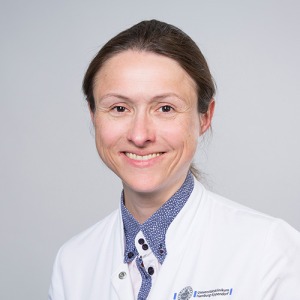
Gunhild von Amsberg
Prof. Dr. med. Gunhild von Amsberg has been Professor of Uro-Oncology with a focus on systemic therapy for prostate cancer at the UKE since 2019 and is a bridge professor at the Martini Clinic, one of the world's largest treatment centers for prostate cancer. She represents the field of prostate cancer research on the MSNZ board.
/2024-relaunch/bilder/kontaktbild-klaus-pantel_st_plus_300x1.png)
Klaus Pantel
Prof. Klaus Pantel, MD, has been Director of the Institute for Tumor Biology at the UKE since 2002 and a member of the Executive Board of the UCC Hamburg since 2015. As a pioneer in liquid biopsy research, he represents the focus area of liquid biopsy/dissemination and metastasis on the MSNZ Executive Board. He is also a founding member of the MSNZ.
/2024-relaunch/bilder/ucc-hamburg-platzhalter-person-hell_st_plus_300x1.jpg)
Anne Wulf
Dr. Anne Wulf has been team leader in the Vice Dean's Office for Research at the UKE since 2012. She is also responsible for the Core Facilities division at the UKE. On the MSNZ Executive Board, she represents the interests and views of the Dean's Office of the Faculty of Medicine.
For
/2024-relaunch/bilder/mansour_wael_yasin_20190211_1_st_plus_300x1.jpg)
Wael Mansour
Prof. Dr. rer. nat. Wael Mansour is a biologist and, since 2024, has held the MSNZ Medical Scientist University Professorship (open to all genders) in DNA repair mechanisms as target structures for systemic and radiation therapy of tumor diseases. Previously, from 2020 to 2023, he was funded by the MSNZ together with his colleague Dr. med. Christoph Oing (currently at Newcastle University) under the “Partner Laboratories” funding line. On the MSNZ Board, he represents the SP Radiation Oncology division together with Prof. Rothkamm.
/2024-relaunch/bilder/mynarek-martin-20250910-23-(002).jpg_st_plus_300x1.png)
Martin Mynarek
Prof. Dr. med. Martin Mynarek has been MSNZ CS Professor and Senior Physician at the Clinic for Pediatric Hematology and Oncology since 2025. Previously, from 2020 to 2024, he and his colleague Dr. rer. nat. Nina Struve received funding from the “Partner Laboratories” funding line (2020 Short-Term CS), among others. He is also deputy head of the HIT-MED study center. On the MSNZ board, he represents the focus area of (pediatric) neuro-oncology.
/2024-relaunch/bilder/mathias-wilmanns_st_plus_300x1.jpg)
Matthias Wilmanns
Prof. Dr. rer. nat. Matthias Wilmanns is a biochemist and molecular biologist and has been a professor at the Faculty of Medicine since 2015. He was also Research Director of the Center for Structural Systems Biology from 2014 to 2017 and Head of the Hamburg branch of the European Molecular Biology Lab (EMBL) in Hamburg from 2007 to 2024. On the MSNZ board, he represents the research institutions in the greater Hamburg area (northern Germany) that cooperate with the UKE.
/2024-relaunch/bilder/von-bubnoff-nikolas_st_plus_300x1.png)
Nikolas von Bubnoff
Prof. Dr. med. Nikolas von Bubnoff has been Professor and Director of the Clinic and Polyclinic for Hematology and Oncology at the University Medical Center Schleswig-Holstein in Lübeck since 2019. He is also a member of the board of the University Cancer Center Schleswig Holstein. On the MSNZ board, he represents this as an external cooperating clinical partner institution of the UCC Hamburg in the greater North German region.
/2024-relaunch/bilder/kontaktbild-nina-struve_st_plus_300x1.png)
Nina Struve
Dr. rer. nat. Nina Struve is a biologist and has been a working group leader at the UCC Hamburg/UKE since 2021 in the field of radiation therapy for pediatric brain tumors, including late and long-term effects. From 2021 to 2024, she and her colleague Prof. Dr. Martin Mynarek received funding in the “Partner Laboratory” funding line. Since 2025, she has been the alumna representative elected to the MSNZ Fellow Board. On the board, she represents the interests of medical scientists in the MSNZ.
It is represented by PD Dr. rer. nat Katharina Jähn-Rickert (Institute for Osteology and Biomechanics).
/2024-relaunch/bilder/kontaktbild-joao-gorgulho_st_plus_300x1.jpg)
Joao Gorgulho
Dr. Joao Gorgulho is a physician in further training (hematology and oncology) and has been working at the UKE since 2020. In 2023, he received funding from the MSNZ's “Short-Term Clinician Scientist” funding line. Since 2025, he has been the alumni representative elected to the MSNZ Fellow Board. On the board, he represents the interests of the clinician scientists at the MSNZ.
He is represented by Dr. Julian Kött (dermatology and venereology).
/2024-relaunch/bilder/lena-marbacher_st_plus_300x1.jpeg)
Lena Marbacher
Dr. phil. Lena Marbacher received her doctorate in art and design in 2016. She then moved into the field of organizational development via various professional positions and freelance work and has been supporting companies in their transformation towards greater self-organization and participation for over ten years. Since May 2025, she has been working at MSNZ as coordinator for participation and evaluation and provides advisory support to the MSNZ Fellow Board.
/2024-relaunch/bilder/kontaktbild-janina-schl%C3%BCter_st_plus_300x1.jpg)
Janina Schlüter is a trained Medical Specialist Assistant. Since 2009, she has been providing administrative support across various departments in oncology at UKE. Since 2024, she has served as an Executive Assistant at MSNZ and UCC Hamburg, with a special focus on event management.
Michael Horn is a trained Biological Technical Assistant. He has been working at UKE since 2015 and has been heading the "In Vivo Imaging" Core Facility since 2017. At MSNZ, he supports grant recipients in conducting and analyzing related experiments.
Our partners in the MSNZ network
A key component of our funding program is networking our grantees within UCC Hamburg and UKE, as well as beyond UKE across the entire Hamburg metropolitan region. To this end, we explicitly support projects that involve an external partner. Ideally, these projects include one or more extended stays with the partner to deepen exchange and collaboration.
Here, we would like to present some examples of project partners for the projects currently being funded:
MSNZ-funded scientists
Below, we would like to introduce our currently funded physicians and scientists and give you a brief overview of their research fields and projects.
We especially aim to draw the attention of young early-career researchers (medical doctoral students and master's students) to the work groups and projects of the funded personnel.
If you are interested in collaborating with one of the groups, we welcome you to contact us! If you are interested in pursuing a scientific PhD, please feel free to get in touch with us as well. We can facilitate the contact and support you—if desired—in independently securing funding (e.g., a doctoral fellowship).
MSNZ-W2 Professors
Wael Mansour
Funded:
since 2024
Abstract:
DNA Repair Targeting in Precision Cancer Therapy: Bridging Radiotherapy and Systemic Oncology (DrTarget)
Cancer cells often depend on altered DNA repair pathways to survive, adapt, and resist therapy. Our research aims to exploit these vulnerabilities to develop more precise and effective cancer treatments, with a particular focus on systemic therapy and radiotherapy. By combining mechanistic studies with biomarker discovery and preclinical modeling, we investigate how defects in DNA damage response pathways can be translated into therapeutic strategies for prostate cancer, testicular cancer, lung cancer, and other malignancies. A central goal is to identify tumor-specific alterations that predict treatment response and can guide personalized combination therapies. To achieve this, we use a multidisciplinary approach that integrates molecular biology, high-throughput profiling, ex vivo tumor slice cultures, and patient-derived organoids. These platforms allow us to test novel drug combinations, validate predictive biomarkers, and generate proof-of-concept data that support future clinical applications. Our long-term vision is to bridge basic science and clinical oncology through strong local and international collaborations, ultimately improving treatment outcomes for patients with DNA repair-deficient cancers.
Martin Mynarek
Funded:
since 2025
Abstract:
Identifying new therapies for malignant pediatric brain tumors
Pediatric brain tumors are the second most common pediatric cancer. Despite all efforts to improve treatment outcomes, they remain a frequent cause of death in affected children and survivors suffer from a large variety of late effects. The aim of my working group is to bridge the gap between innovative preclinical research and it application in clinical routine. For this, together with our partners throughout Europe, we plan and conduct investigator-initiated, academia-driven clinical trials in children and adolescents with high-grade pediatric brain tumors. Hereby, we aim to improve survival but also reduce the therapy-associated burden of disease. At the same time, we work on improving the preclinical background for therapeutic decision making by improving risk stratification as the basis for future therapy decisions, e.g. by incorporating new classification tools like Kinase-profiling or liquid biopsy from cerebro-spinal fluid (CSF) with the respective working groups at the UKE. In the Partner-Lab together with Nina Struve from the Department of Radiation Biology I work on preclinical models to study new treatment modalities and analyze their long-term toxicity. Last but not least, in our nation-wide patient cohorts we systematically study the spectrum of late effects and analyze potential modificatory, that might be targetable in future.
Partner labs
Partner lab 1
/2024-relaunch/bilder/kontaktbild-jelena-navolic_st_plus_300x1.jpg)
Jelena Navolic
Funded:
2026/2027
Abstract:
Decoding Spatial Transcriptomic and Proteomic Landscapes for Prognostic Biomarker and Drug Target Discovery in SHH-Medulloblastoma
"Medulloblastoma is among the most common malignant pediatric brain tumors. Extensive molecular profiling over the past 15 years has led to the classification into four major tumor types, associated with distinct clinical outcomes and further subtypes. Despite significant progress in tumor classification and risk stratification, the development of more effective and targeted therapies remains limited.
In our partner lab, we aim to acquire the spatial representation of molecular profiles and to determine driving mechanisms of local tumor infiltration. Dr. Svenja Tonn will focus on spatial transcriptomics and Dr. Jelena Navolić on spatial proteomics to investigate distinct molecular profiles of tumor cell populations and their contribution to therapeutic resistance. We aim to identify prognostic biomarkers at the transcriptomic level and to discover suitable and potentially druggable protein targets. Such targeted therapies are urgently needed to improve survival outcomes and to reduce the long-term side effects of current treatments."
/2024-relaunch/bilder/kontaktbild-svenja-tonn_st_plus_300x1.jpg)
Svenja Tonn
Funded:
2026/2027
Abstract:
Decoding Spatial Transcriptomic and Proteomic Landscapes for Prognostic Biomarker and Drug Target Discovery in SHH-Medulloblastoma
"Medulloblastoma is among the most common malignant pediatric brain tumors. Extensive molecular profiling over the past 15 years has led to the classification into four major tumor types, associated with distinct clinical outcomes and further subtypes. Despite significant progress in tumor classification and risk stratification, the development of more effective and targeted therapies remains limited.
In our partner lab, we aim to acquire the spatial representation of molecular profiles and to determine driving mechanisms of local tumor infiltration. Dr. Svenja Tonn will focus on spatial transcriptomics and Dr. Jelena Navolić on spatial proteomics to investigate distinct molecular profiles of tumor cell populations and their contribution to therapeutic resistance. We aim to identify prognostic biomarkers at the transcriptomic level and to discover suitable and potentially druggable protein targets. Such targeted therapies are urgently needed to improve survival outcomes and to reduce the long-term side effects of current treatments."
Partner lab 2
/2024-relaunch/bilder/kontaktbild-riemann_layla_st_plus_300x1.jpg)
Layla Tabea Riemann
Funded:
2026/2027
Abstract:
PreciOUS (Precision Oncology Unwanted Side Effects) – Predictive Efficiency and Toxicity Monitoring and Decision Support in Precision Oncology Using Wearables and AI
In clinical practice, the efficacy and safety of personalized cancer therapies are typically assessed only at the time of the medical consultation, while systematic longitudinal reassessment rarely takes place. In particular, structured knowledge regarding treatment-related side effects—especially cardiotoxicity and neurotoxicity—has been insufficient to date. These side effects are often not recognized until irreversible damage has already occurred, and their time- and dose-dependence, potential reversibility, and interactions with patient-specific risk factors such as diabetes, obesity, or nicotine use are still only partially understood. The goal of this interdisciplinary project is to develop a patient-centered closed-loop system that integrates continuous physiological measurements with evolving clinical evidence. By combining surrogate parameters of physiological functions—such as heart rate variability or balance—recorded via wearables with information on treatment-related risks automatically extracted from the scientific literature, the project aims to enable individualized assessments of cardio- and neurotoxicity. In the long term, this is intended to establish a continuous, data-driven risk assessment and improve clinical decision-making in precision oncology.
Dr. Riemann (Medical Scientist) is developing the technical infrastructure for the continuous integration of scientific evidence and the analysis of patient-specific data. This includes agent-based systems based on large language models for the automated evaluation of medical publications regarding the efficacy and cardio- and neurotoxicity of oncological therapies, the integration of wearable data into a central data platform, and the development of AI-based predictive models for the early detection of toxic side effects.
/2024-relaunch/bilder/kontaktbild-maximilian-christopeit_st_plus_300x1.jpg)
Maximilian Christopeit
Funded:
2026/2027
Abstract:
PreciOUS (Precision Oncology Unwanted Side Effects) – Predictive Efficiency and Toxicity Monitoring and Decision Support in Precision Oncology Using Wearables and AI
In clinical practice, the efficacy and safety of personalized cancer therapies are typically assessed only at the time of the medical consultation, while systematic longitudinal reassessment rarely takes place. In particular, structured knowledge regarding treatment-related side effects—especially cardiotoxicity and neurotoxicity—has been insufficient to date. These side effects are often not recognized until irreversible damage has already occurred, and their time- and dose-dependence, potential reversibility, and interactions with patient-specific risk factors such as diabetes, obesity, or nicotine use are currently only incompletely understood. The goal of this interdisciplinary project is to develop a patient-centered closed-loop system that integrates continuous physiological measurements with evolving clinical evidence. By combining surrogate parameters of physiological functions—such as heart rate variability or balance—recorded via wearables with information on treatment-related risks automatically extracted from the scientific literature, the project aims to enable individualized assessments of cardio- and neurotoxicity. In the long term, this is intended to establish a continuous, data-driven risk assessment and improve clinical decision-making in precision oncology.
PD Dr. Maximilian Christopeit (Clinician Scientist) contributes his clinical oncology expertise to provide a medical context for these models and validate them. This includes defining clinically relevant toxicity endpoints, evaluating the evidence for different tumor types and treatment modalities, and translating the predictions into a clinically useful decision-support system for oncologists and cardio-oncology teams.
Clinician Scientists
/2024-relaunch/bilder/kontaktbild-norali-ghasemi-david_st_plus_300x1.jpg)
David Ghasemi
Funded:
01.01.2024 – 31.07.2027
Abstract:
A multimodal analysis of genomic patterns of relapse and dissemination in supratentorial ependymoma
Ependymomas are malignant CNS tumors in children and adults and comprise at least ten molecular subgroups with heterogeneous biology and clinical outcomes. Current treatment relies on maximal safe surgery and radiotherapy, yet high-risk patients frequently relapse and have poor prognosis. Genetic changes driving relapse and dissemination remain poorly understood. This project aims to systematically compare paired primary and relapsed or disseminated supratentorial ependymomas (ST-EPN) to elucidate mechanisms of relapse and identify prognostic markers for future risk stratification. Patient samples and clinical data will be collected via the UKE biobank, HIT network, and INFORM study. Integrated clinical and multi-omics analyses, including single-nucleus RNA sequencing and spatial transcriptomics, will be performed in collaboration with the Hopp Children’s Cancer Center (KiTZ), Heidelberg.
/2024-relaunch/bilder/kontaktbild-catena-kresbach_st_plus_300x1.jpg)
Catena Kresbach
Funded:
01.01.2024 – 30.06.2026
Abstract:
Mechanisms and clinical implications of intratumoral heterogeneity in malignant peripheral nerve sheath tumors
Malignant peripheral nerve sheath tumors (MPNST) are aggressive tumors arising from benign plexiform neurofibromas (PNF) via atypical neurofibromas (ANF), but mechanisms of malignant progression are poorly understood. MPNST display pronounced intratumoral heterogeneity, with areas resembling ANF or PNF. In collaboration with the Neurofibromatosis Outpatient Clinic, we will exploit this heterogeneity to reconstruct the transformation from PNF to ANF and MPNST and identify potential therapies. The project includes detailed morphological, epigenetic, and transcriptomic profiling of PNF, ANF, and heterogeneous MPNST areas; single-cell and spatial transcriptomics to study the tumor microenvironment; and development of slice cultures and 3D organoid models for patient-specific preclinical drug testing.
/2024-relaunch/bilder/kontaktbild-viol_fabrice_st_plus_300x1.jpg)
Fabrice Viol
Funded:
2026/27
Abstract:
Unraveling the molecular mechanisms of AURKA Inhibition as a novel therapeutic approach in ARID1A mutated neuroendocrine neoplasms
Gastroenteropancreatic neuroendocrine neoplasms (GEP-NEN), particularly poorly differentiated neuroendocrine carcinomas (GEP-NEC), are rare, aggressive tumors with limited treatment options and poor outcomes. Standard chemotherapy provides modest benefit, and targeted therapies for high-grade GEP-NEN remain undeveloped due to their rarity and unclear molecular vulnerabilities. Frequent loss of the tumor suppressor ARID1A has been identified in these tumors, suggesting a potential therapeutic target. Preclinical evidence indicates that ARID1A deficiency confers sensitivity to Aurora kinase A (AURKA) inhibition. Using novel ARID1A-mutated GEP-NEC cell lines, significant antitumor effects of the AURKA inhibitor Alisertib were observed in vivo. This project aims to dissect the molecular mechanisms of AURKA inhibitor–induced synthetic lethality in ARID1A-deficient GEP-NEN, including effects on tumor growth, metastasis, and dissemination, providing a mechanistic foundation for the first mutation-based targeted therapy in high-grade GEP-NEN.
/2024-relaunch/bilder/kontaktbild-chiara-lena-blomen_st_plus_300x1.jpg)
Chiara Lena Blomen
Funded:
2026/27
Abstract:
Unmet Needs of Malignant Melanoma Survivors, Their Families and Health Care Professionals in the context of Immune Checkpoint Inhibitor Therapy: A Mixed-Methods Multicenter Study
Immune checkpoint inhibitors (ICI) have significantly improved survival in malignant melanoma, but long-term consequences of therapy are increasingly relevant. Chronic immune-related adverse events, persistent symptoms, and psychosocial challenges can negatively impact health-related quality of life, yet remain underexplored, especially in long-term survivors. Younger patients, family members, and healthcare professionals may face additional burdens, including fertility concerns, socioeconomic effects, and uncertainty about long-term outcomes.
This multicenter, mixed-methods study aims to identify the unmet needs of melanoma survivors who are recurrence- or progression-free for at least two years after ICI therapy. Secondary objectives include assessing age-specific needs in patients under 40 and evaluating perspectives of relatives and healthcare providers regarding psychosocial challenges and systemic barriers. Using semi-structured interviews and a complementary quantitative survey, the study seeks to inform tailored, evidence-based interventions to improve survivorship care and quality of life for patients and families.
/2024-relaunch/bilder/kontaktbild-jan-weller_st_plus_300x1.jpg)
Jan Frederic Weller
Funded:
2026/27
Abstract:
Use of β-hydroxybutyrate supplementation as an additive to CAR-T cell or BiTE antibody therapy in mul6ple myeloma – the BEAM-MM study
Ketogenic interventions offer a promising strategy to enhance antitumor immunity by altering systemic metabolism and T cell function. By reducing glucose and increasing ketone bodies, particularly β-hydroxybutyrate (BHB), these approaches improve T cell mitochondrial fitness, promote memory and effector differentiation, reduce exhaustion, and boost antitumor activity in preclinical models. Such effects are particularly relevant for T cell–based therapies, including CAR-T and bispecific T cell engager (BiTE) therapy, where sustained T cell functionality is critical.
This project investigates how ketogenic interventions modulate endogenous and engineered T cell responses in multiple myeloma patients undergoing CAR-T or BiTE therapy. Two strategies—ketogenic diet and BHB precursor supplementation—will be evaluated for safety, feasibility, and immunometabolic effects. Integrated analysis of clinical, metabolic, and immunological data will elucidate patient-specific responses, laying the groundwork for precision metabolic interventions to enhance immunotherapy efficacy and guide personalized treatment strategies.
/2024-relaunch/bilder/kontaktbild-matthias-dottermusch_st_plus_300x1.jpg)
Matthias Dottermusch
Funded:
2026/27
Abstract:
Establishing novel and relevant molecular subtypes in corticotroph pituitary neuroendocrine tumors
Corticotroph pituitary neuroendocrine tumors (PitNETs) are heterogeneous intracranial neoplasms, ranging from hormonally inactive lesions to tumors causing Cushing’s disease. Their behavior varies widely, with some following an indolent course and others showing aggressive growth, treatment resistance, and rare systemic spread. Current WHO classification relies on histopathology and TPIT expression, but is limited by interobserver variability and provides inconsistent prognostic guidance.
This project aims to establish a robust molecular classification of corticotroph PitNETs using genome-wide DNA methylation profiling. By analyzing a large, well-characterized cohort and integrating methylation signatures with histopathological and clinical data, the study seeks to define distinct molecular subtypes and assess their association with tumor aggressiveness, recurrence, and dissemination. The findings will provide objective biomarkers for risk stratification and inform future WHO classifications and clinical decision-making.
/2024-relaunch/bilder/kontaktbild-clara-wienecke_st_plus_300x1.png)
Clara Wienecke
Funded:
2026/27
Abstract:
Unraveling the Role of TROLL2: A Long Non-Coding RNA as a Potential Therapeutic Target in AML
Acute myeloid leukemia (AML) is the most common acute leukemia in adults, characterized by high relapse rates and frequent therapy resistance, especially in older patients ineligible for curative treatment. Despite genetic risk stratification, outcomes vary even among patients with similar molecular profiles, highlighting the need for novel biomarkers and therapeutic targets.
This project focuses on the long non-coding RNA TROLL2, an oncogenic regulator of the PI3K/AKT pathway. Loss of TAp63 function upregulates TROLL2, activating AKT signaling. Analysis of 242 AML patient samples revealed high TROLL2 expression correlates with intermediate and adverse ELN risk groups and predicts poor overall survival. Using patient-derived samples and experimental models, the study will investigate how TROLL2 drives AML pathogenesis and therapy resistance. The ultimate goal is to validate TROLL2 as a prognostic biomarker and potential therapeutic target in AML.
Medical Scientists
/2024-relaunch/bilder/kontaktbild-jan-hahn_st_plus_300x1.jpg)
Jan Hahn
Funded:
01.01.2024 – 30.06.2026
Abstract:
High Precision Multiomics for Translational Cancer Research: µOmix4CaRe –Micro-omics for cancer research
In this project, we aim to adapt an early-stage prototype of a nanosecond infrared laser (NILR) tissue sampling device (3D MiTi LAb) for translational cancer research in collaboration with the UCCH. This requires developing technical and methodological interfaces to integrate the system into standard tissue and cell biology workflows. We will establish methods to register offline imaging data, such as histological microscopy or MALDI lipid maps, to the 3D MiTi LAb coordinate system for guided laser sampling. Sample preparation of NILR-derived tissue will be optimized for specific omics techniques. Using prostate cancer as a model, the workflow will be evaluated with histological and functional assays, leveraging expertise from partner laboratories to investigate tumor initiation, heterogeneity, microenvironment, and metastasis.
/2024-relaunch/bilder/kontaktbild-lina-bergmann_st_plus_300x1.png)
Lina Bergmann
Funded:
2026/27
Abstract:
A Liquid Biopsy–Driven Strategy to Investigate Novel Biomarkers and Guide Therapeutic Development in Neuroendocrine and Aggressive Prostate Cancer
Prostate cancer (PCa) is mainly driven by androgen receptor (AR) signaling, with PSA as a key biomarker. Potent AR-targeted therapies, such as enzalutamide, increase selective pressure, leading to AR-independent tumors through lineage plasticity and epigenetic changes. Aggressive variant prostate cancer (AVPC), including neuroendocrine (NEPC) and double-negative (DNPC) subtypes, progresses rapidly, shows low PSA, and often resists standard therapies, creating a critical clinical gap.
This project uses liquid biopsy approaches—circulating tumor cells (CTCs) and cell-free DNA (cfDNA)—to detect molecular changes indicative of transdifferentiation and AR-independent progression. By analyzing genetic and epigenetic features, it aims to identify early biomarkers of NEPC and DNPC emergence and evaluate therapeutic targets such as TROP2. Ultimately, the study seeks to improve early detection, guide precision therapies, and enhance outcomes for patients with advanced, therapy-resistant prostate cancer.
/2024-relaunch/bilder/kontaktbild-ayham-moustafa_st_plus_300x1.png)
Ayham Moustafa
Funded:
2026/27
Abstract:
Spatial Proteomics and Metabolomics Integrated with Machine Learning to Decipher Molecular Mechanisms Driving Metastasis and Immune Microenvironment in Cancer
Omics technologies—including genomics, transcriptomics, proteomics, and metabolomics—have transformed cancer research by enabling precise tumor classification and personalized therapy. While genomics and transcriptomics reveal mutations and transcriptional changes, proteomics measures actual protein abundance, activity, and post-translational modifications, providing insights into signaling pathways driving metastasis and therapy resistance. Metabolomics further uncovers metabolic alterations within tumors and their microenvironment, revealing mechanisms of invasion and treatment adaptation. Spatially resolved omics allow mapping of RNAs, proteins, and metabolites in tissue context, but spatial proteomics and metabolomics remain limited in resolution, coverage, and application to fresh-frozen tissues or patient-derived organoids. Integration of multi-omics datasets is complex, requiring standardized protocols and accurate quantification. Machine learning offers powerful tools to analyze high-dimensional spatial data, uncover metastatic patterns, track treatment responses, and better understand tumor–immune microenvironment interactions, ultimately advancing precision oncology.
Career Boost Fellows 2025
/2024-relaunch/bilder/kontaktbild-lisa-leypoldt_st_plus_300x1.jpg)
Lisa Leypoldt
Funded:
2025
Abstract:
Multi-omic characterization of determinants of ultra-high-risk disease and early relapse in multiple myeloma
Multiple myeloma (MM) treatment has dramatically improved over the past two decades, with 5-year survival increasing from 37% to 62%. Modern regimens combining proteasome inhibitors, immunomodulatory drugs, and CD38 monoclonal antibodies can achieve deep, MRD-negative remissions. However, high-risk (HR) MM patients—defined by cytogenetic abnormalities, biochemical markers, and extramedullary disease—still experience poor outcomes, with early relapse occurring in a subset despite intensive quadruplet therapies. The GMMG-CONCEPT trial demonstrated high MRD negativity and encouraging progression-free survival in HR patients, yet some exhibit ultra-high-risk (uHR) disease with relapse within 12–18 months. Mechanisms underlying early relapse remain unclear, involving clonal evolution, spatial heterogeneity, and immunosuppressive bone marrow microenvironments. This project aims to identify upfront biological risk factors, dissect mechanisms driving early relapse under modern multi-agent therapy, and translate these insights into strategies to prevent and treat therapy-resistant MM.
Short Term Clinician Scientists
/2024-relaunch/bilder/hartung_tabea-_20231207_01_st_plus_300x1.jpg)
Tabea Hartung
Funded:
01.06.2026 – 31.05.2027
Abstract:
Mosaic pathogenic variants in RASopathy genes as an underlying cause of Neurofibromatosis type 1 and NF1-like tumor predisposition syndromes
Neurofibromatosis type 1 is an autosomal dominantly inherited tumor predisposition syndrome caused by pathogenic variants in the NF1 gene. However, approximately 30% of patients meeting clinical diagnostic criteria for NF1 at the Neurofibromatosis Center Hamburg, the world's largest specialized NF1 outpatient clinic, do not carry a detectable germline NF1 variant in blood-based genetic testing. We hypothesize that a significant proportion of these individuals harbor postzygotic mosaic pathogenic variants either in NF1 or in other RAS/MAPK pathway genes (e.g., KRAS, HRAS, ERBB2, LZTR1, NF2, SUZ12), which can result in NF1-like phenotypes with distinct tumor spectra and clinical features, including pigmentary skin lesions, lipomatous tumors, and a markedly elevated risk for urogenital rhabdomyosarcoma. This project aims to systematically identify and characterize mosaic pathogenic variants in 100 patients with NF1-like phenotypes and negative germline testing. Using a targeted panel sequencing approach on tumor specimens (FFPE and native), we will screen for pathogenic RASopathy gene variants and genetic mosaicism, and correlate genetic results with clinical and neuropathological data. This integrated approach will improve diagnostic accuracy, enable genotype-phenotype correlations, and provide a foundation for personalized tumor surveillance and pathway-targeted therapies such as MEK inhibitors.
/2024-relaunch/bilder/deitert-benjamin_20250527-001_st_plus_300x1.jpg)
Funded:
01.01.2027 – 31.12.2027
Abstract:
Deciphering the role of sphingosine-1-phosphate as surrogate of platelet activation in metastatic melanoma patients treated with immune checkpoint inhibitors
Activation of coagulation and platelet aggregation represent critical events facilitating pre- metastatic niche formation, seeding of circulating tumor cells, and cancer-associated thrombosis. Tumor-educated platelets (TEPs) are increasingly recognized as mediators of tumor–platelet crosstalk, yet their functional role in melanoma progression remains incompletely understood. Here, we investigate the role of melanoma-derived small extracellular vesicles (sEVs) in TEP activation and the subsequent release of the bioactive lipid sphingosine-1-phosphate (S1P) in patients with advanced melanoma. We hypothesize that melanoma-derived sEVs activate TEPs, thereby enhancing S1P secretion and establishing local S1P gradients that facilitate melanoma cell dissemination. Furthermore, we propose that circulating S1P reflects TEP activation and serves as a biomarker of melanoma progression and resistance to immune checkpoint inhibition (ICI). To address this, circulating S1P levels will be quantified in patients with advanced melanoma and retrospectively correlated with distant metastasis and ICI therapy outcome. Platelet activation will be assessed by light transmission aggregometry using platelet-rich plasma from patients with high tumor burden. By performing complementary proteomic profiling of the platelet secretome we will evaluate TEP-derived biomarker signatures. Functional assays using melanoma-derived sEVs will be applied to characterize TEP activation and S1P release. This translational approach aims to define S1P as both a functional mediator and biomarker of hematogenous melanoma dissemination.
Funded:
tba
Abstract:
tba
Alumni:ae
Funded:
01.01.2020 – 31.03.2022
Clinic/Institute:
Outpatient Center for Radiation Therapy/Radiology
Project title:
The impact of hypo-fractionated locally ablative radiotherapy, surgery, chemotherapy, and radio-chemotherapy on the development of metastases in two prostate cancer xenograft mouse-tumor models
Funded:
01.07.2020 – 31.12.2022
Clinic/Institute:
Gynecology/Jerusalem KKH
Project title:
Dissecting the metastatic cascade to improve the clinical management of ovarian cancer
Funded:
01.01.2023 – 31.12.2023
Clinic/Institute:
Clinic and Polyclinic for Gynecology
(Replacing Katharina Prieske)
Project title:
Dissecting the metastatic cascade to improve the clinical management of ovarian cancer
Funded:
01.01.2020 – 31.12.2023
Clinic/Institute:
II. Medical Clinic and Polyclinic (Oncology, Hematology, Bone Marrow Transplantation with Department of Pulmonology)
Project title:
DNA repair, hypoxia and genomic instability in metastatic prostate cancer (DRAGOON): Mechanistic insights and new treatment options
Funded:
01.01.2020 – 31.12.2023
Clinic/Institute:
Radiobiology and experimental radiation therapy
Project title:
DNA repair, hypoxia and genomic instability in metastatic prostate cancer (DRAGOON): Mechanistic insights and new treatment options
Funded:
01.07.2020 – 31.12.2023
Clinic/Institute:
Institute for Tumor Biology
Project title:
Dissecting the metastatic cascade to improve the clinical management of ovarian cancer
Funded:
01.01.2020 – 31.03.2023
Clinic/Institute:
II. Medical Clinic and Polyclinic (Oncology, Hematology, Bone Marrow Transplantation with Department of Pulmonology)
Project title:
Relevance of SWI/SNF chromatin remodeling complex for gene expression and for regulation of transcription factors in human cancer - its role in the pathogenesis of acute myeloid leukemia as a model of malignant transformation in general
Funded:
01.01.2020 – 31.12.2023
Clinic/Institute:
Institute for Tumor Biology
Project title:
An integrated approach for drug target validation
Funded:
15.02.2020 – 15.12.2023
Clinic/Institute:
Children's Cancer Center Research Institute/PHO
Project title:
Evaluation of innovative antibody fragment based targeted constructs as first line or combination treatment option for medulloblastoma and rhabdomyosarcoma using an in vitro cell-based Blood-Brain- Barrier Technology Platform
Funded:
01.05.2020 – 31.10.2020
Clinic/Institute:
Clinic and Polyclinic for General, Visceral, and Thoracic Surgery
Project title:
FrailPANC – Neoadjuvant treatment in frail patients with pancreatic adenocarcinoma – A prospective, randomized multi-centre Phase II AIO/ CHIR-Net Trial
Funded:
01.08.2020 – 31.01.2021
Clinic/Institute:
I. Medical Clinic and Polyclinic (Gastroenterology with sections on Infectious Diseases and Tropical Medicine)
Project title:
Studying the impact of tumor microenvironment and intestinal microbiota on CD4+ IL17+ heterogeneity in order to increase immunotherapy efficacy in colorectal cancer
Funded:
01.07.2020 – 31.12.2020
Clinic/Institute:
II. Medical Clinic and Polyclinic (Oncology, Hematology, Bone Marrow Transplantation with Department of Pulmonology)
Project title:
MATEO: Maintenance therapy vs. observation in FOLFIRINOX treated metastatic pancreatic ductal adenocarcinoma (mPDAC) patients - A prospective, randomized multi-center phase IIl AIO trial
Funded:
01.08.2020 – 31.07.2021
Clinic/Institute:
Clinic and Polyclinic for Ear, Nose, and Throat Medicine
Project title:
Kinase activity profiles as prognostic marker for immunotherapy in head and neck squamous cell carcinoma (HNSCC)
Funded:
01.04.2020 – 31.03.2021
Clinic/Institute:
I. Medizinische Klinik und Poliklinik (Gastroenterologie mit Sektionen Infektiologie und Tropenmedizin)
Project title:
Cholangiocarcinoma complicating PSC – which T cells are promoting cancer dissemination?
Funded:
01.10.2020 – 31.03.2021
Clinic/Institute:
I. Medical Clinic and Polyclinic (Gastroenterology with sections on Infectious Diseases and Tropical Medicine)
Project title:
Intratumoral heterogeneity of cancer stem cell features in hepatocellular carcinoma are decisive for indication of adjuvant treatment
Current:
Marienkrankenhaus
Funded:
01.04.2020 – 31.03.2021
Clinic/Institute:
Clinic and Polyclinic for Dermatology and Venereology
Project title:
Unraveling resistance mechanisms to immune-checkpoint inhibitors via molecular characterization of CTC in metastatic melanoma patients
Funded:
01.01.2020 – 31.12.2020
Clinic/Institute:
Clinic and Polyclinic for Ophthalmology
Project title:
Unraveling tumor dormancy in humans by autopsies and post mortem biopsies
Funded:
01.10.2020 – 31.03.2022
Clinic/Institute:
Clinic and Polyclinic for Pediatric Hematology and Oncology
Project title:
Generation of an anti α and β chain chimeric antigen receptor (αβ CAR) to develop CAR-T cells and CAR-NKcells for therapy of T cell leukemia
Funded:
01.01.2021 – 30.04.2023
Clinic/Institute:
Clinic and Polyclinic for Pediatric Hematology and Oncology
Project title:
Characterization of the liquorigenic seeding and identification of metastatic risk factors in medulloblastoma with morpho-molecular profiling and machine learning
Funded:
01.12.2021 – 30.11.2022
Clinic/Institute:
Clinic and Polyclinic for Oral and Maxillofacial Surgery (MKG)
Project title:
Antiresorptive Drug-Related Osteonecrosis of the Jaw following systemic treatment for bone metastases – characterization by Raman spectroscopy, histomorphometry and quantitative backscattered electron imaging
Funded:
01.11.2021 – 31.10.2022
Clinic/Institute:
Clinic and Polyclinic for Trauma Surgery and Orthopedics
Project title:
Understanding the local tissue quality changes within human spinal metastases of breast and prostate cancer
Funded:
01.01.2022 – 31.12.2022
Clinic/Institute:
Clinic and Polyclinic for Dermatology and Venereology
Project title:
LiquidSWITCH – Early detection of resistance to BRAF inhibition and switch to immune checkpoint inhibition triggered by serial monitoring of cell-free DNA in blood plasma of melanoma patients
Funded:
01.01.2022 – 31.12.2022
Clinic/Institute:
Clinic and Polyclinic for Ear, Nose, and Throat Medicine
Project title:
Radiosensitization through molecular targeting in HNSCC tissue slice cultures of primary tumors and lymph node metastasis
Funded:
01.04.2022 – 30.04.2023
Clinic/Institute:
I. Medical Clinic and Polyclinic
Project title:
Deciphering the Role of the Lymphotoxin – IL-22BP Axis in CRC metastasis.
Funded:
01.06.2022 – 30.04.2023
Clinic/Institute:
Institute of Neuropathology
Project title:
Project 1: Intraventricular application of sonic-hedgehog pathway inhibition as a therapeutic optionin young patients with medulloblastoma, Project 2: Molecular and clinical characterization of atypical peripheral nerve sheath tumors in NF1 patients and prediction of risk for malignant transformation and dissemination
Funded:
01.09.2022 – 30.04.2023
Clinic/Institute:
II. Medical Clinic and Polyclinic (Oncology, Hematology, Bone Marrow Transplantation with Department of Pulmonology)
Project title:
Disentangling the pathomechanisms of arterial and venous thrombo-inflammation under immune checkpoint inhibitors
Funded:
01.11.2022 – 30.04.2023
Clinic/Institute:
Clinic and Polyclinic for General, Visceral, and Thoracic Surgery
Project title:
The Role of innate (NK) and adaptive (T) effector lymphocytes in the microenvironment of soft-tissue sarcomas: a comprehensive investigation using human-derived sarcoma-organoids.
Funded:
01.01.2023
Clinic/Institute:
II. Medical Clinic and Polyclinic (Oncology, Hematology, Bone Marrow Transplantation with Department of Pulmonology)
Project title:
PIMPLE-Peripheral Immune Mediators in the Prognosis of diverse maLignanciEs
Funded:
01.01.2021 – 31.12.2024
Clinic/Institute:
Clinic and Polyclinic for General, Visceral, and Thoracic Surgery
Project title:
Patient specific drug screening and biomarker research in pancreatic ductal adenocarcinoma using newly established tumoroids
Funded:
01.01.2021 – 31.12.2024
Clinic/Institute:
Clinic and Polyclinic for Pediatric Hematology and Oncology
Project title:
Composition of the tumor microenvironment and immune repertoire in pediatric ALK-positive anaplastic large cell lymphoma
Funded:
01.01.2021 – 31.12.2024
Clinic/Institute:
Research Institute Children's Cancer Center / Neuropathology
Project title:
Histological, molecular and clinical characterization of MYB/MYBL1-altered gliomas
Funded:
01.09.2020 – 28.02.2021
Clinic/Institute:
II. Medical Clinic and Polyclinic (Oncology, Hematology, Bone Marrow Transplantation with Department of Pulmonology)
Project title:
Assessment of the role of the transcription factor TOX-1 with regard to T cell exhaustion in AML
Funded:
01.05.2021 – 30.04.2024
Clinic/Institute:
Institute for Tumor Biology/Fraunhofer Institute for Applied Polymer Research
Project title:
Multiplexed Detection of Circulating Tumor Cells in Prostate Cancer Using Nanotechnology Platforms
Funded:
01.04.2021 – 31.03.2024
Clinic/Institute:
Clinic for Radiation Therapy and Radio-Oncology
Clinic and Polyclinic for Pediatric Hematology and Oncology
Project title:
The RESISTOME of metastatic medulloblastoma: Unravelling molecular mechanisms for personalized therapy
Funded:
01.01.2021 – 30.09.2024
Clinic/Institute:
Institute for Osteology and Biomechanics
Project title:
The role of the osteocyte network in the promotion of bone-seeking tumor growth
Funded:
01.04.2023
Clinic/Institute:
Clinic and Polyclinic for Dermatology and Venereology
Project title:
Immune determinants of melanoma metastasis to the brain
Funded:
01.01.2024 – 31.12.2024
Clinic/Institute:
II. Medical Clinic and Polyclinic (Oncology, Hematology, Bone Marrow Transplantation with Department of Pulmonology)
Project title:
Immune Profiling for Individualized Treatment Decision in Diffuse Large B-Cell Lymphoma
Funded:
01.01.2024 – 31.12.2024
Clinic/Institute:
Clinic and Polyclinic for Neurosurgery
Project title:
Machine Learning Methods for the Integrated Molecular Classification of Ependymomas Using Histological Images, Clinical Characteristics and OMICS Data
Funded:
01.01.2024 – 31.12.2024
Clinic/Institute:
II. Medical Clinic and Polyclinic (Oncology, Hematology, Bone Marrow Transplantation with Department of Pulmonology)
Project title:
PD-L1 positive extracellular vesicles derived from exhaled breath condensate as a biomarker for lung cancer
Funded:
01.01.2024 – 31.12.2024
Clinic/Institute:
I. Medical Clinic and Polyclinic (Gastroenterology with sections on Infectious Diseases and Tropical Medicine)
Project title:
AURKA and ATR inhibition a novel targeted therapies in ARID1A mutated neuroendocrine neoplasms
Funded:
01.01.2024 – 31.12.2025
Abstract:
Investigating the impact of tandem motifs-induced CtBP polymerization using in pre-clinical and clinical samples
Gene transcription is tightly regulated by transcription factors, coregulators, and chromatin modifiers. CtBPs are corepressors whose overexpression in tumors promotes proliferation, migration, and EMT. In a UKE/EMBL collaboration, we show that CtBP polymerization is induced by RAI2, an intrinsically disordered tumor suppressor, via two identical tandem motifs, leading to inactivation of CtBP corepressor function. This mechanism has therapeutic potential in cancer. The project will first characterize the structure and composition of the CtBP corepressor complex, then elucidate the molecular basis of its disruption by tandem-motif–containing proteins or peptides using cell and structural biology approaches. The feasibility of tandem PxDLS peptides will be tested in prostate cancer cell lines and validated in patient-derived tumor organoids and circulating tumor cells, establishing CtBP polymerization as a peptide-based therapeutic concept.
Funded:
01.01.2024 – 31.12.2025
Abstract:
Targeted Nanoparticle-Based Isolation of Circulating Tumor Cells for Enhanced Metastatic Potential Assessment
Metastasis remains a major challenge in cancer therapy, highlighting the need for improved assessment of the metastatic potential of circulating tumor cells (CTCs). This project proposes a novel approach using targeted nanoparticles to isolate CTCs from blood samples for functional characterization. The strategy focuses on targeting tumor cell interactions with von Willebrand factor (vWF) and their adhesion to endothelial cells, enabling the isolation of CTC subpopulations with distinct metastatic properties. The study includes nanoparticle design, synthesis, and characterization, followed by validation in mouse models and analyses of patient samples. This approach aims to enhance CTC detection and provide insights for improved cancer diagnosis, prognosis, and personalized treatment strategies, ultimately improving patient outcomes.
Funded:
01.01.2024 – 31.12.2025
Abstract:
EUROPa - Exploring & Understanding Radiosensitivity of Pancreatic Cancer
Pancreatic cancer (PDAC) is one of the most lethal cancers worldwide with early metastasis and chemoresistance. The stroma-enriched, immunosuppressive tumour microenvironment plays a key role in PDAC development, aggressiveness and therapy resistance. Due to these complex conditions, PDAC therapy has largely remained static over the last decades, demanding new therapy approaches. According to its local as well as systemic effects, radiotherapy can be an – so far – unexploited but promising treatment option for advanced and also metastatic PDAC. By combining innovative, translational experimental systems (e.g. ex vivo tissue slice cultures, advanced in vitro co-cultures) with the joint expertise of the cooperation partners in the fields of radiobiology, experimental oncology, cancer immunology and tumourbiology this project aims to deliver the biological basis for the stratification of PDAC patients who will possible benefit from radiotherapy.
Funded:
01.01.2024 – 31.12.2025
Abstract:
Identification of the soluble factor mediating CAF induced proliferation and everolimus resistance in PanNET – an experimental and translational study
Most patients with pancreatic neuroendocrine tumors (PanNET) require systemic therapy, with up to 50% presenting with metastases and 20–30% recurring after surgery. Everolimus is a key treatment, yet mechanisms of primary and secondary resistance remain poorly understood. While cancer-associated fibroblasts (CAF) drive progression and drug resistance in many cancers, their role in PanNET is unclear. Preliminary work demonstrated that CAF induce dedifferentiation, proliferation, and everolimus resistance in PanNET cells via STAT3 activation, confirmed in human tissue. This project aims to identify the soluble factors mediating stromal–tumor interaction to define new therapeutic targets and restore everolimus sensitivity. Experiments will use human PanNET cell lines, CAF from primary tumors and liver metastases, and patient tissue and serum samples, with institutional support and planned DFG grant submission.
Funded:
2025
Abstract:
Exploiting temporal aspects of cancer chemoimmunotherapy
Combination chemotherapy, including platinum derivatives, taxanes, pemetrexed, and 5-FU, is a cornerstone of lung and gastrointestinal cancer treatment but rarely achieves complete cure. Immune checkpoint inhibitors (anti-PD-1/PD-L1 or CTLA-4) can provide long-term survival by activating tumor-reactive T cells, yet only a subset of patients respond. Chemotherapy can modulate the tumor immune environment, depleting suppressive cells and promoting immunogenic cell death, but may also impair T cell survival and function. Emerging evidence indicates that immune responses fluctuate with daily rhythms, and early interactions between chemotherapy and immunotherapy strongly influence efficacy. Tumor-extrinsic factors, such as microbiota-derived metabolites, further modulate immune responses and treatment outcomes. This project aims to dissect the temporal and mechanistic interplay between chemotherapy, immunotherapy, and the microbiota to optimize immune activation, improve patient responses, and guide more effective chemo-immunotherapy strategies.
Funded:
2025
Abstract:
CACAdi: Exploring the Link between Colitis-Associated Colon Cancer & Adipose Tissue
Inflammatory bowel disease (IBD) incidence is rising, with patients facing increased risk of colitis-associated colon cancer (CAC). Current therapies inadequately control gut inflammation, microbiome dysbiosis, and tumor progression. The CACAdi project investigates the role of mesenteric adipose tissue in CAC, building on evidence that gut bacteria can translocate to surrounding fat and that tumor-derived factors may trigger immune-metabolic changes. We hypothesize that compromised barrier integrity allows cancer–adipose crosstalk, promoting tumor growth and metastasis.
Using a systems biology approach, CACAdi will map multi-scale interactions among cancer cells, mesenteric adipose tissue, and immune responses to elucidate cancer-conditioned adipogenesis and its effects on immune-cancer dynamics. The project aims to identify novel biomarkers and therapeutic targets, advancing understanding of CAC biology and enabling rational interventions in the context of rising IBD and obesity incidence.
Funded:
2025
Abstract:
Joining forces to understand and exploit epigenetics of therapy induced Neuroendocrine Prostate Cancer
Metastatic prostate cancer (mPC) is highly heterogeneous, ranging from indolent disease to aggressive, treatment-refractory forms. Androgen receptor pathway inhibitors have improved outcomes, yet resistance and transdifferentiation to neuroendocrine prostate cancer (tNEPC) remain critical challenges. tNEPC is associated with lineage plasticity, deregulated cell cycle control, aberrant DNA damage repair, and epigenetic reprogramming, including upregulation of DNA methyltransferases and Polycomb repressive complex 2 (PRC2) components such as EZH2. Recent work identified RAI2-induced CtBP polymerization as a novel regulator of PRC2 activity, correlating with progression to tNEPC. Clinically, tNEPC is often diagnosed late due to limited PSA utility, leading to poor prognosis and limited therapy options. This project aims to elucidate mechanisms controlling PRC activity in tNEPC and to improve early detection using state-of-the-art liquid biopsy assays, ultimately guiding more effective, personalized treatment strategies.
Funded:
2025
Abstract:
Molecular and Clinical Characterization of Sinonasal Malignancies for Precision Oncology
Primary sinonasal malignancies are rare, comprising 3–5% of head and neck cancers, with sinonasal squamous cell carcinoma (SNSCC) representing 50–60% of cases. Unlike other head and neck SCCs, tobacco and alcohol are not clear risk factors, while occupational exposures and HPV may contribute to tumor development. Five-year survival remains low (40–50%), and treatment strategies are largely extrapolated from other head and neck cancers. Advanced tumors often require multimodal therapy, yet relapse rates are high and palliative survival is poor. This project aims to characterize sinonasal malignancies through retrospective clinical analyses and registry development, alongside molecular profiling, including targeted sequencing, liquid biopsies, and patient-derived tumor tissue slice models. The study seeks to identify actionable molecular targets, improve understanding of tumor biology, and establish a precision oncology framework for rare malignancies.
Funded:
2025
Abstract:
Multi-omic profiling of mouse models of Medulloblastoma
Medulloblastomas (MB) are the most common malignant pediatric brain tumors and are classified into at least four molecular subgroups based on gene expression, DNA methylation, and clinical behavior. Understanding tumor initiation, growth, dissemination, and metastasis, as well as performing preclinical drug testing, requires reliable human disease models. This project focuses on in vivo transgenic mouse models, which uniquely allow the study of all tumor stages in a functioning mammalian organism. However, translating findings to human disease requires careful evaluation of model fidelity. Using multi-omics approaches—including transcriptomics, epigenomics, and proteomics—this study aims to characterize MB mouse models, uncover relevant mechanisms driving tumor behavior, and identify the most suitable models for future preclinical studies, thereby improving the efficiency and predictive value of experimental therapeutics.
Funded:
2025
Abstract:
Unmet Needs of Malignant Melanoma Survivors, Their Families and Health Care Professionals in the context of Immune Checkpoint Inhibitor Therapy: A Mixed- Methods Multicenter Study
Immune checkpoint inhibitors (ICI) have significantly improved survival in malignant melanoma, but long-term consequences of therapy are increasingly relevant. Chronic immune-related adverse events, persistent symptoms, and psychosocial challenges can negatively impact health-related quality of life, yet remain underexplored, especially in long-term survivors. Younger patients, family members, and healthcare professionals may face additional burdens, including fertility concerns, socioeconomic effects, and uncertainty about long-term outcomes.
This multicenter, mixed-methods study aims to identify the unmet needs of melanoma survivors who are recurrence- or progression-free for at least two years after ICI therapy. Secondary objectives include assessing age-specific needs in patients under 40 and evaluating perspectives of relatives and healthcare providers regarding psychosocial challenges and systemic barriers. Using semi-structured interviews and a complementary quantitative survey, the study seeks to inform tailored, evidence-based interventions to improve survivorship care and quality of life for patients and families.
Funded:
2025
Abstract:
Immunologic Alterations and Immune Evasion Mechanisms in Children with Malignancies of the Central Nervous System
Primary central nervous system (CNS) tumors, including medulloblastomas and high-grade gliomas, remain a major pediatric oncology challenge due to high mortality, morbidity, and treatment-associated sequelae. Immunotherapies hold promise but are often limited by the CNS’s unique immunologic environment and tumor-intrinsic mechanisms. This project aims to elucidate immune evasion and immunologic alterations to identify novel therapeutic targets. Peripheral blood lymphocyte subsets will be characterized via flow cytometry, and functional assays will assess T cell cytotoxicity and proliferation. T cell receptor (TCR) repertoire analysis will evaluate thymic contributions to tolerance, while spatially resolved transcriptomics will provide an in-depth view of the tumor microenvironment. Together, these approaches will reveal mechanisms hindering immunotherapy efficacy and lay the foundation for future precision immunotherapeutic strategies in pediatric CNS malignancies.
Funded:
2025
Abstract:
STIMULATE – Short-Term dietary fIber intervention to improve imMUno-chemotherapy efficacy in Lung and esophagogAsTric adenocarcinoma
This exploratory trial investigates whether short-term dietary fiber interventions can improve immuno-chemotherapy efficacy in metastatic lung and esophagogastric adenocarcinoma. Dietary fibers, metabolized by gut microbiota into short-chain fatty acids (SCFAs), may enhance anti-tumor immune responses by modulating CD8⁺ and CD4⁺ T cells. The pilot phase of STIMULATE will recruit 15 patients to establish clinical, nutritional, and translational workflows for the main trial. Patients will receive 20 g/day of dietary fibers in short, pulsatile interventions aligned with treatment cycles. Blood and stool samples will be analyzed for SCFAs, immune cell changes, and microbiota composition, and correlated with treatment response. This study aims to assess feasibility, safety, and preliminary efficacy, providing a foundation for personalized dietary strategies to enhance cancer immunotherapy outcomes.
Funded:
2025
Abstract:
Bispecific purinergic checkpoint-specific Nanobody-trimers as immunotherapy for tumor malignancies
Cancer treatment remains limited by insufficient diagnostics and therapies, with many patients facing incurable disease. While monoclonal antibodies have improved outcomes, their efficacy is often restricted by poor tumor penetration and relapse. Nanobodies—small, stable single-domain antibodies—offer superior tissue penetration and the ability to target difficult-to-reach antigens. Within the THUNDER consortium, this project focuses on engineering bispecific nanobody trimers targeting CD39 and CD73, purinergic checkpoint enzymes that drive immunosuppressive tumor microenvironments. By inhibiting these enzymes, the aim is to reprogram the tumor microenvironment toward immune activation, enhancing T cell–mediated antitumor responses. The project involves nanobody development, in vitro functional characterization, enzymatic inhibition assays, and preclinical testing. This work seeks to advance nanobody-based therapies and improve immunotherapeutic strategies for cancer patients.
Further information
Do you have any questions or would you like to make an appointment? Here you will find our contact details for UCC Hamburg.
MehrThe UCC Hamburg newsletter provides information about all of the network's events and the latest developments.
MehrHelp us improve care for cancer patients. Whether as a one-time donation, standing order, or even a bequest, we appreciate every contribution.