 UKE homepage?
 DE
DE
2nd CRC 1648 Symposium: "The Science of Emerging Viruses: Chances and Challenges"
On June 3–4, 2026, the Collaborative Research Center (CRC) 1648 Emerging Viruses: Pathogenesis, Structure, Immunity welcomed researchers, clinicians, policymakers, science communicators, and members of the public to its 2nd symposium, "The Science of Emerging Viruses: Chances and Challenges, " at the Erika Haus of the University Medical Center Hamburg-Eppendorf (UKE).
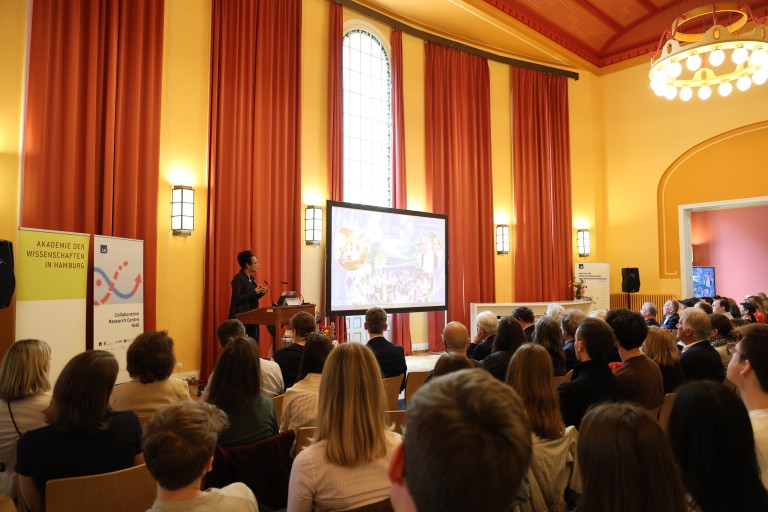
Organized in cooperation with the Working Group "One Health" of the
Recent developments involving Hantaviruses, Ebola virus, avian influenza, and other emerging pathogens have once again highlighted the importance of understanding how viruses emerge, spread, and impact societies. Against this backdrop, the symposium explored the scientific, societal, economic, ethical, and political dimensions of emerging infectious diseases.
Key Messages from the Symposium
Several overarching themes emerged throughout the two-day event:
Interdisciplinary and international collaboration is essential
Emerging viruses do not respect disciplinary boundaries. Effective preparedness requires close collaboration between virologists, clinicians, epidemiologists, ecologists, social scientists, economists, policymakers, and public health experts.
One Health approaches are more important than ever
Many emerging pathogens originate at the interface of humans, animals, and the environment. Understanding these connections is crucial for identifying risks early and developing sustainable prevention strategies.
Preparedness must begin before the next outbreak
Scientific advances made during and after the COVID-19 pandemic have significantly improved our ability to respond to emerging threats. However, speakers repeatedly emphasized that preparedness requires continuous investment in research, surveillance, infrastructure, and international collaboration.
Biosafety, biosecurity, and scientific freedom must be considered together
A recurring topic throughout the symposium was how society can benefit from research on dangerous pathogens while ensuring the highest safety standards. Discussions highlighted the importance of transparency, responsible conduct, and dialogue between scientists, policymakers, and the public.
Public trust in science matters
Several speakers emphasized that scientific progress alone is not enough. Open communication and public engagement remain essential for building trust and ensuring that scientific knowledge can effectively inform public health decisions.
Scientific Programme Highlights
Across four thematic sessions, leading experts from academia, public health, policy, and international organizations discussed the challenges and opportunities associated with emerging viral threats.
Session I: Emerging Viruses – Scientific Frontlines
The symposium opened with perspectives on some of the most pressing viral threats of our time.
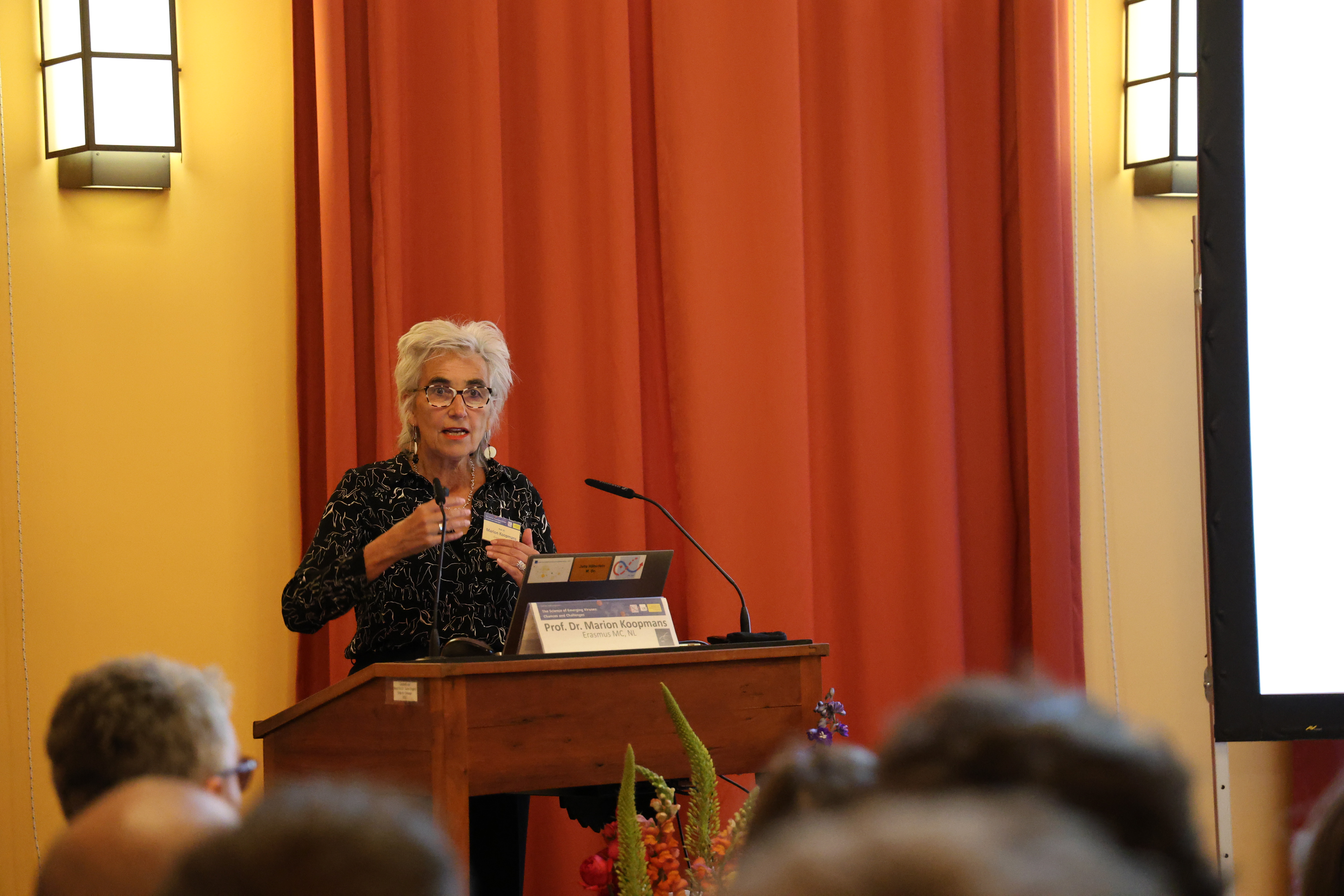
Prof. Dr. Marion Koopmans
Prof. Dr. Marion Koopmans
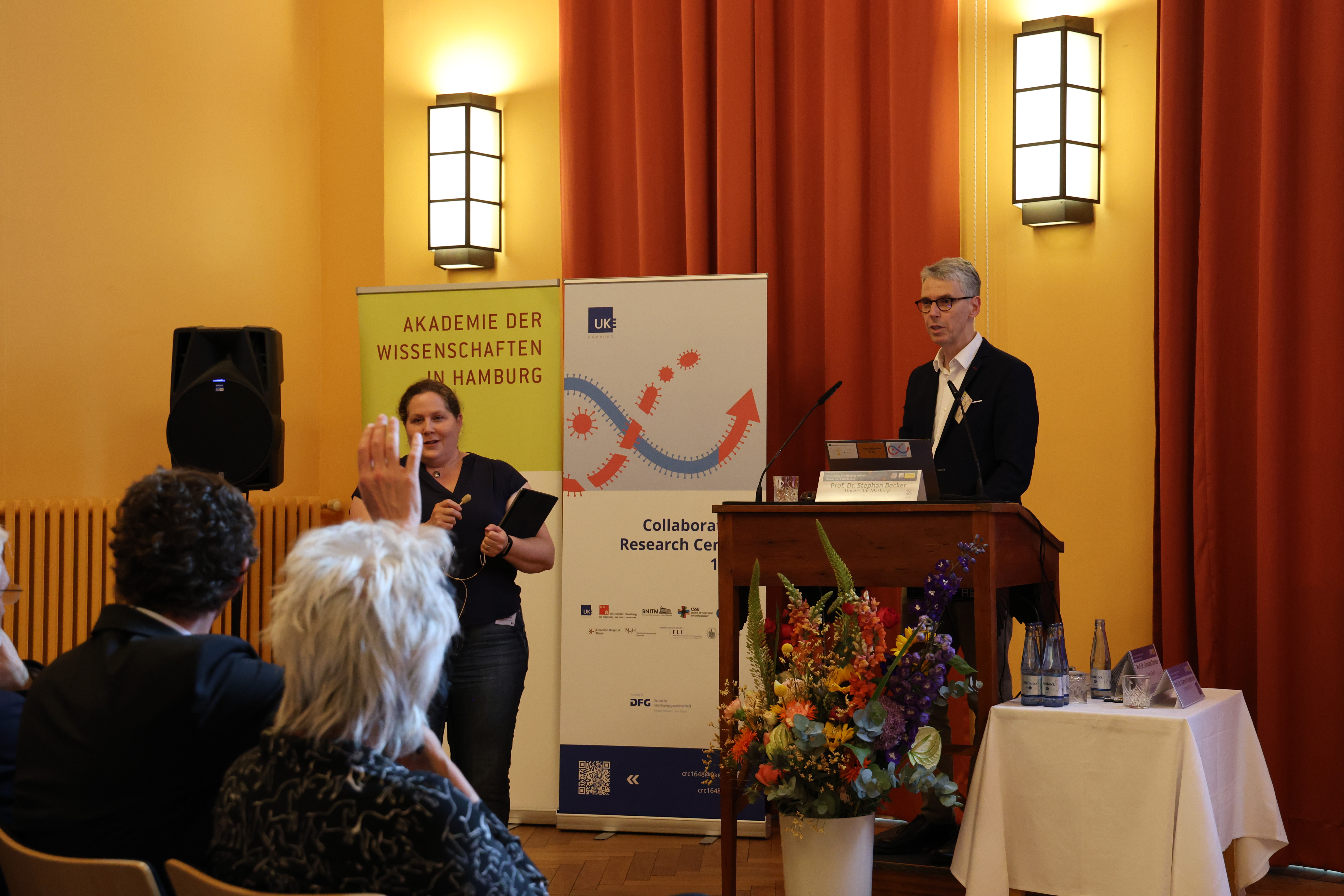
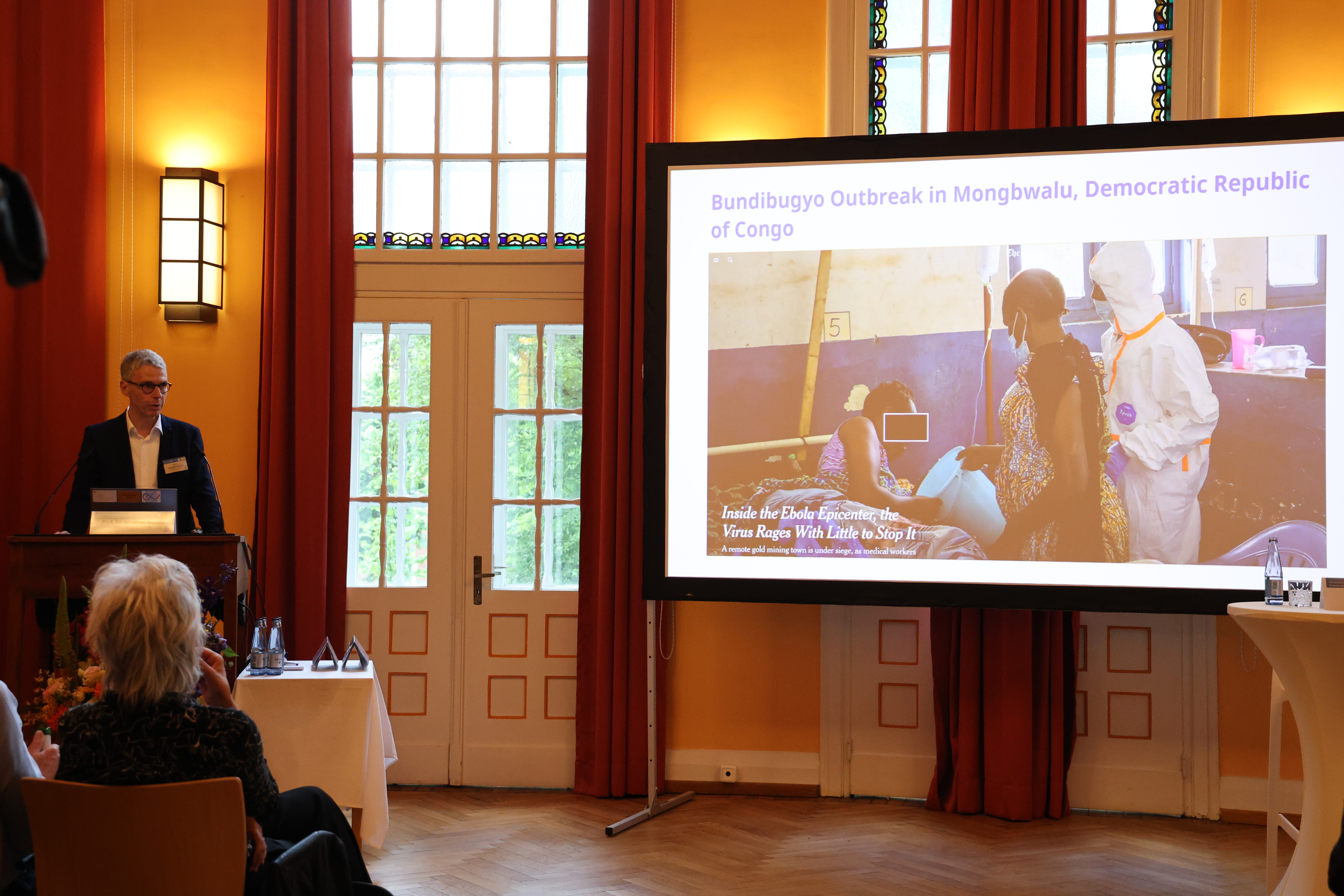
Prof. Dr. Stephan Becker
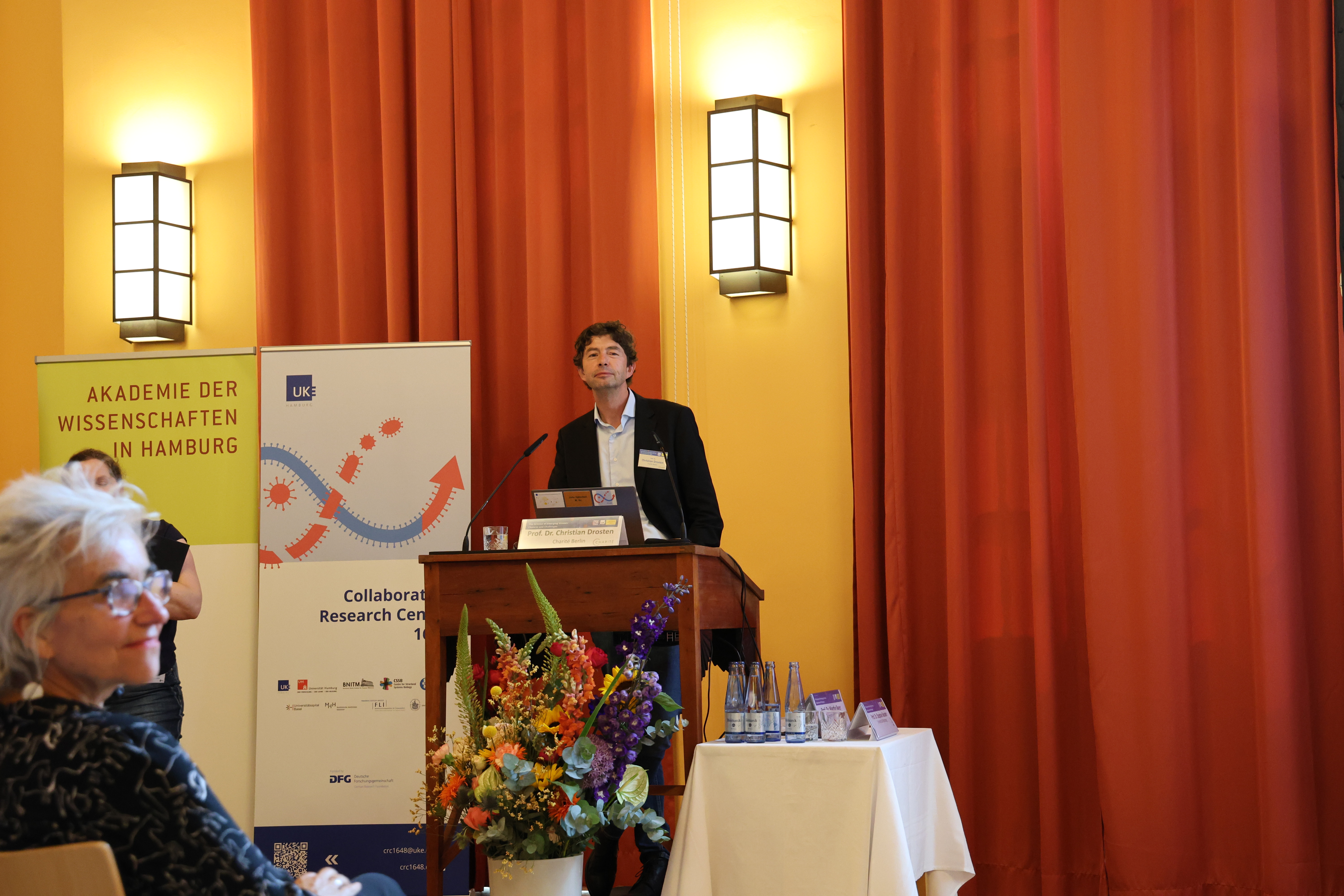
Prof. Dr. Christian Drosten
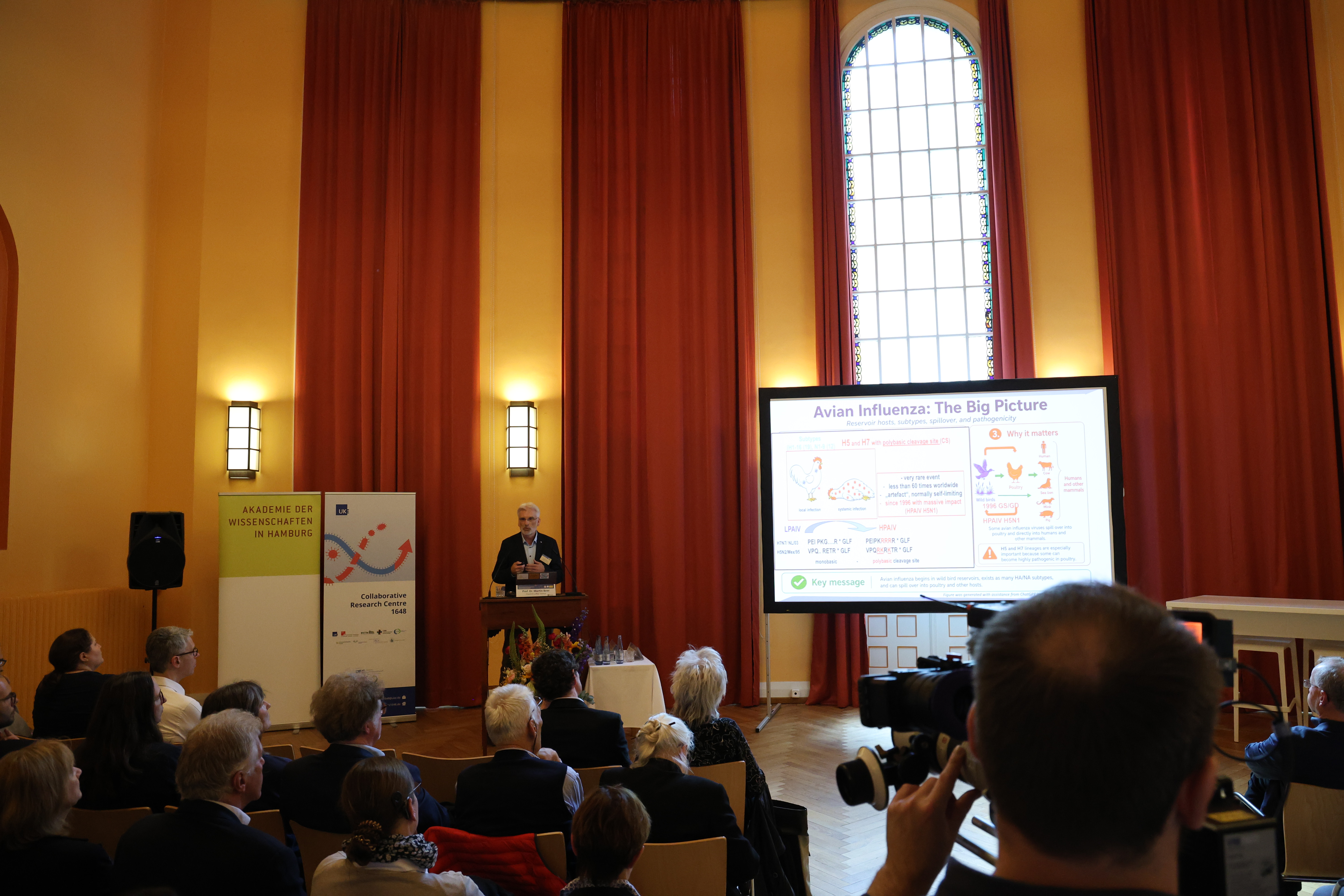
Prof. Dr. Martin Beer
Session II: Control of Viruses
The second session focused on strategies to prevent, control, and mitigate viral diseases. Dr. Maria Van Kerkhove (
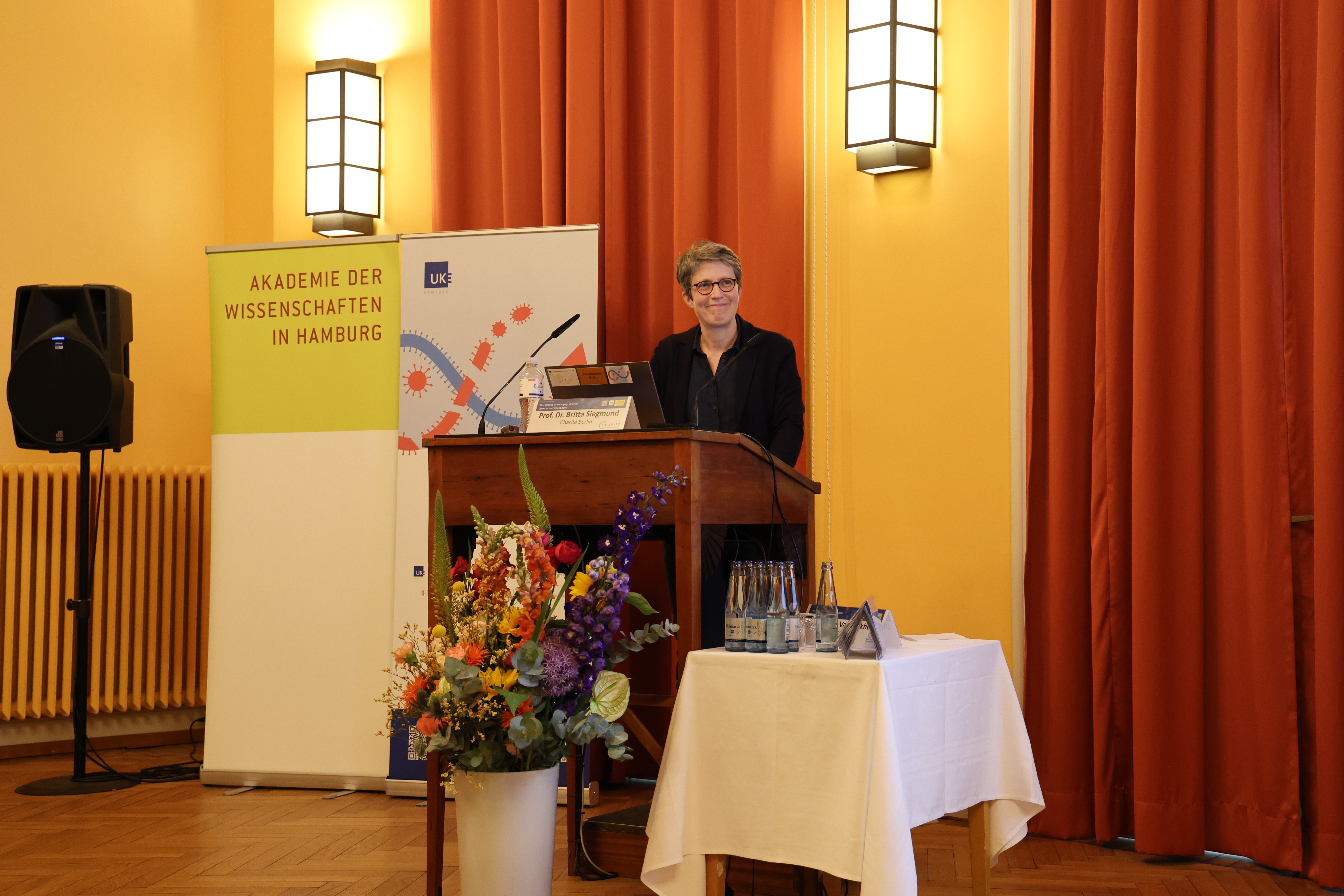
Prof. Dr. Britta Siegmund
Prof. Dr. Britta Siegmund
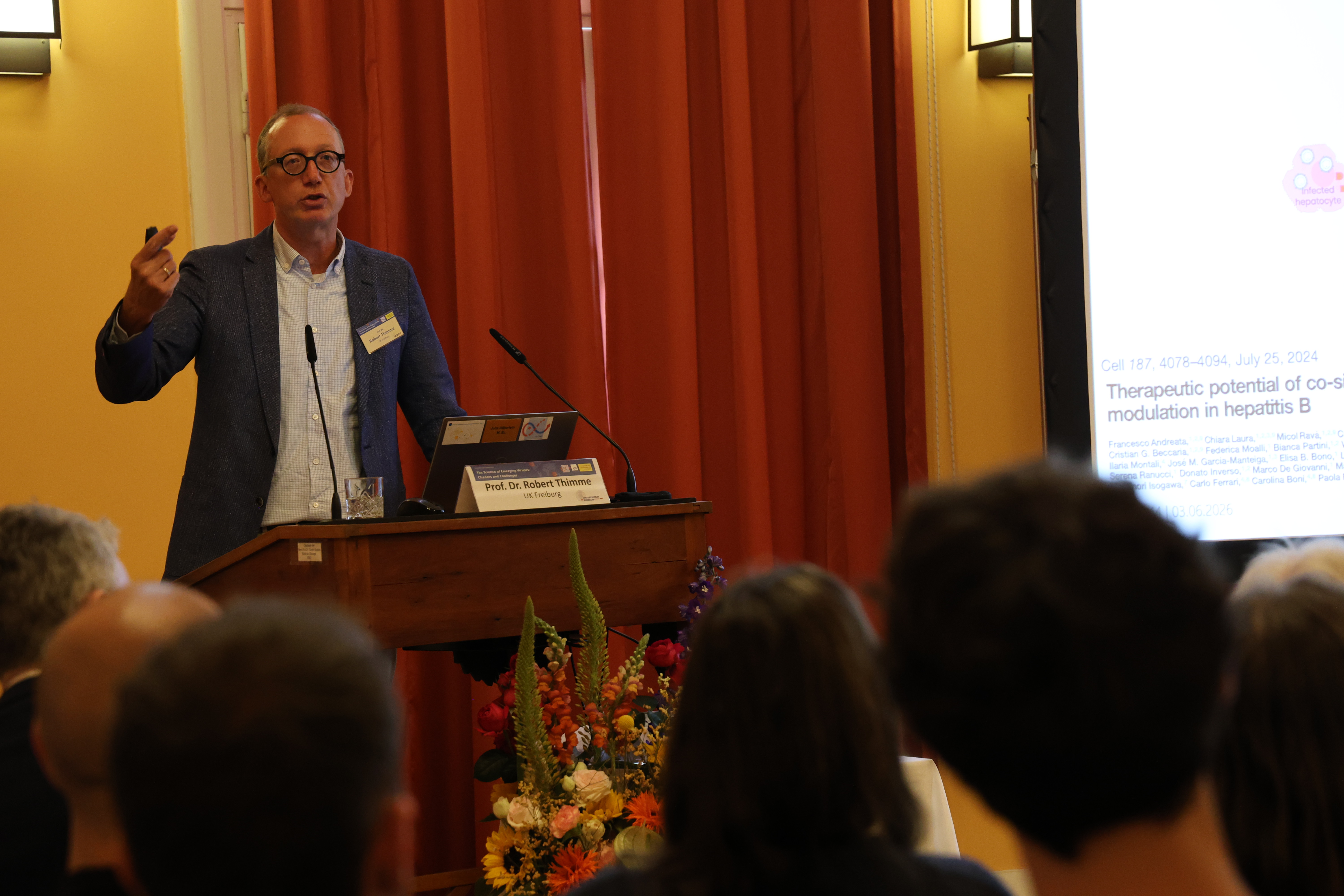
Prof. Dr. Robert Thimme
Prof. Dr. Robert Thimme
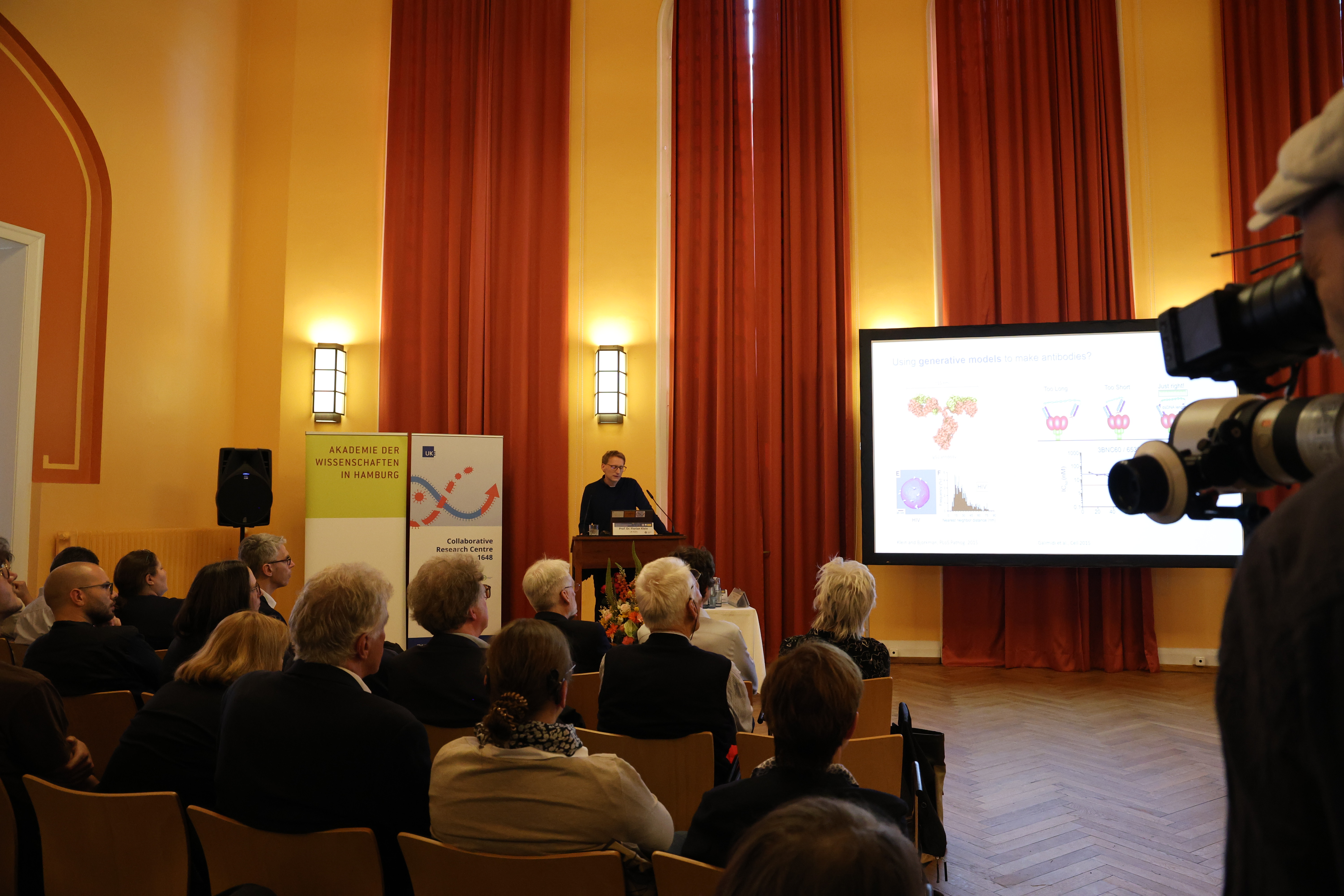
Prof. Dr. Florian Klein
Prof. Dr. Florian Klein
Session III: Global Preparedness & Research Policy
Preparedness and policy were at the center of the third session.
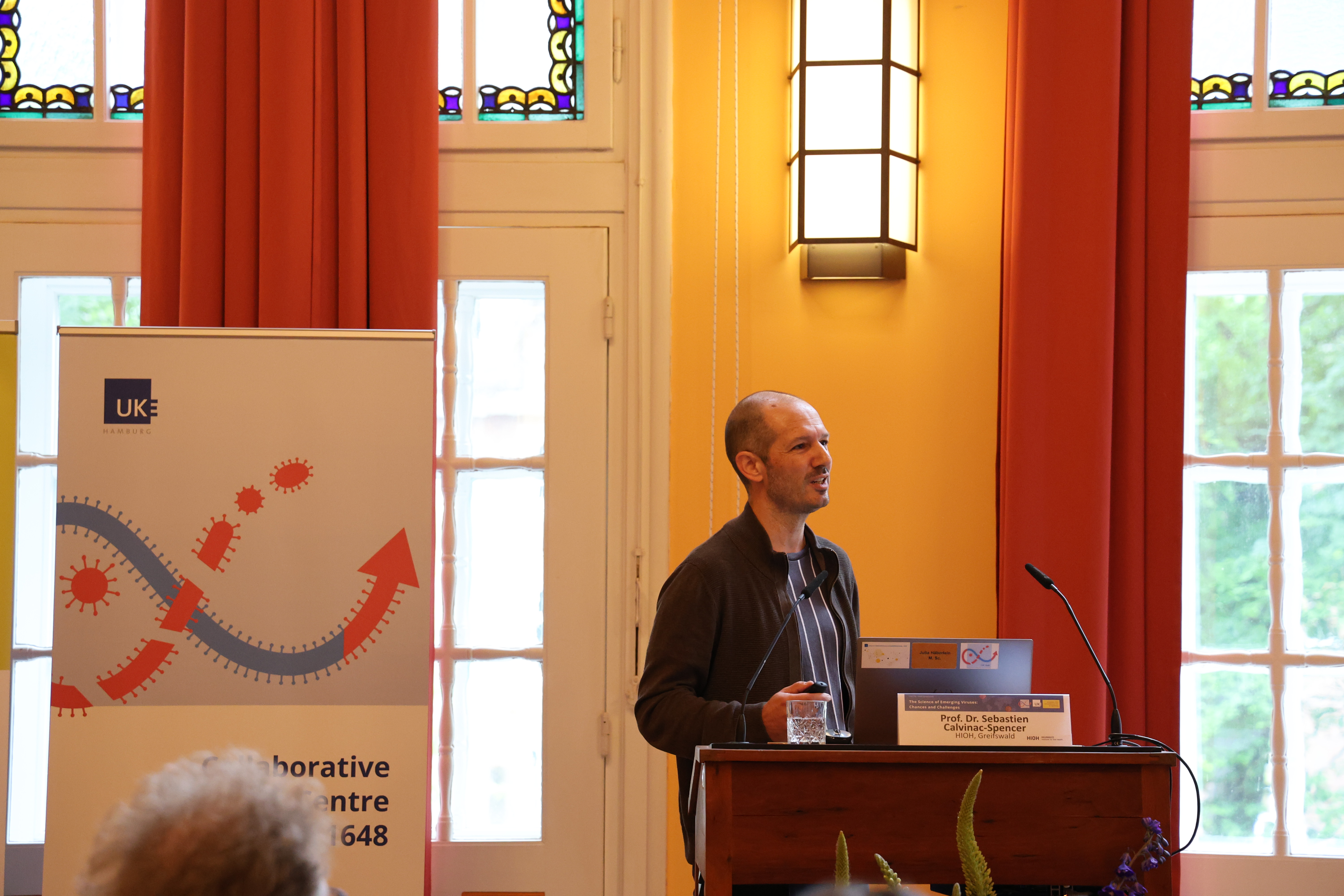
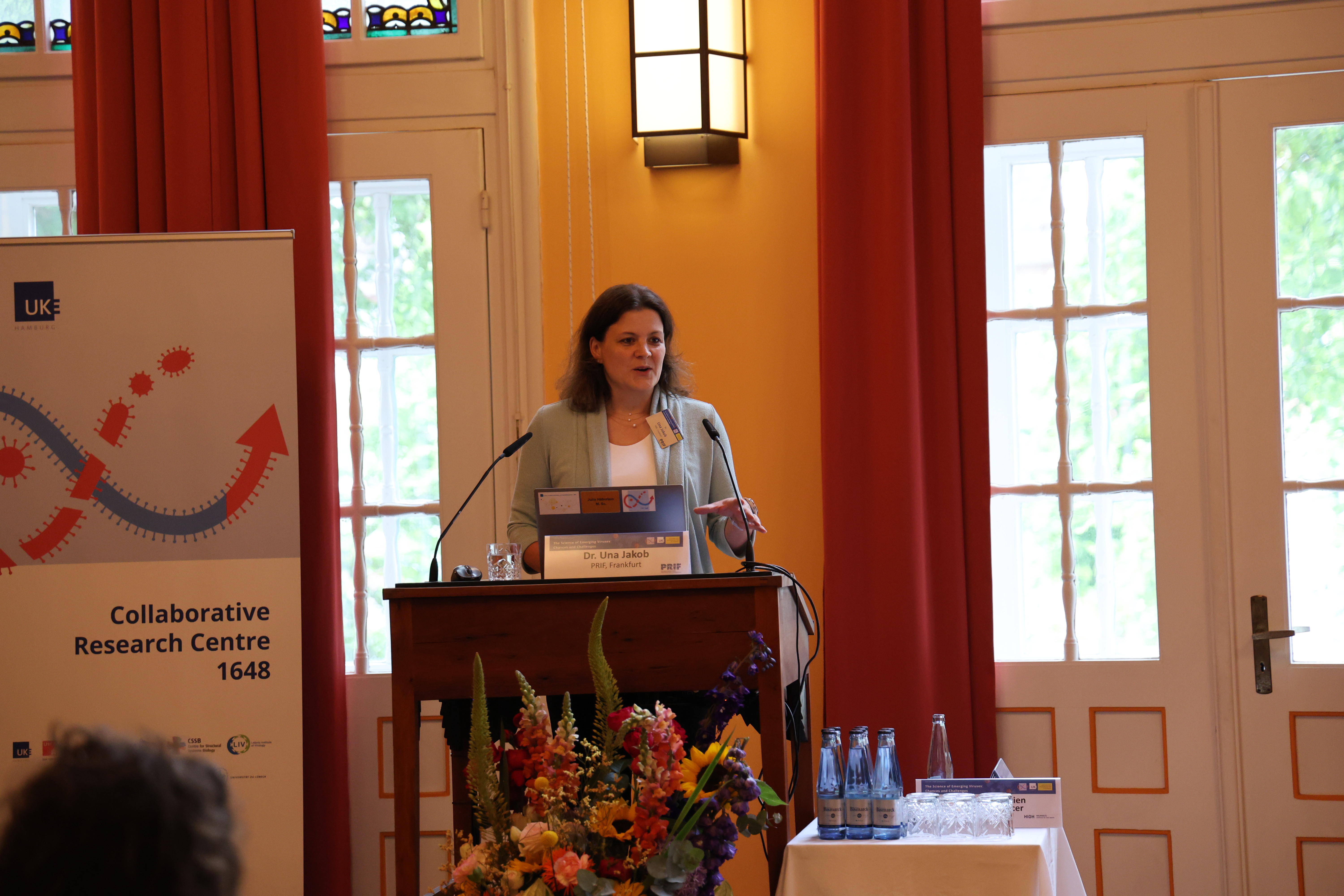
Prof. Dr. Sébastien Calvignac-Spencer
Prof. Dr. Sébastien Calvignac-Spencer
Dr. Una Jakob
Dr. Una Jakob
Session IV: Communication, Perception & Society
The final session examined how societies perceive, communicate, and respond to infectious disease threats.
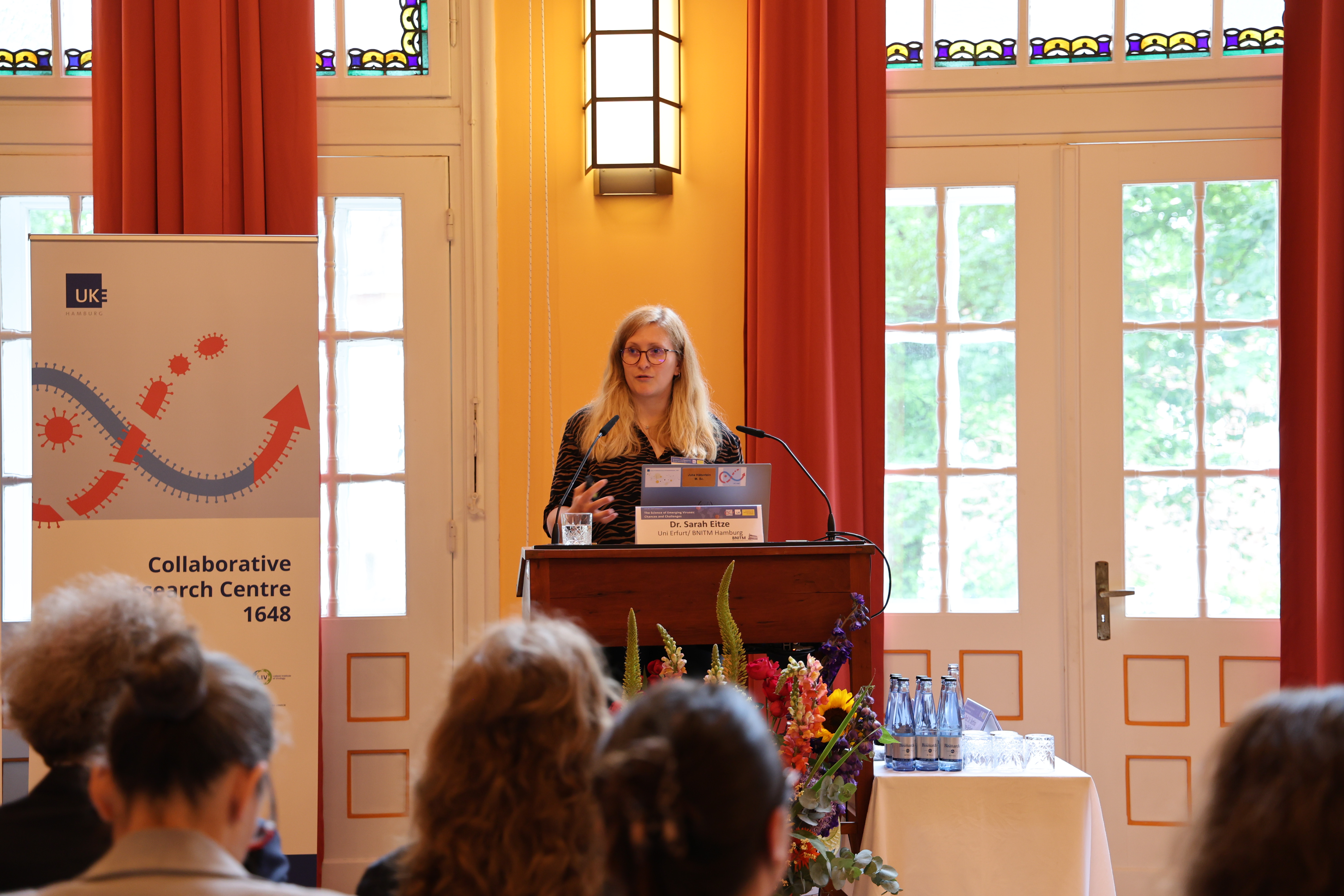
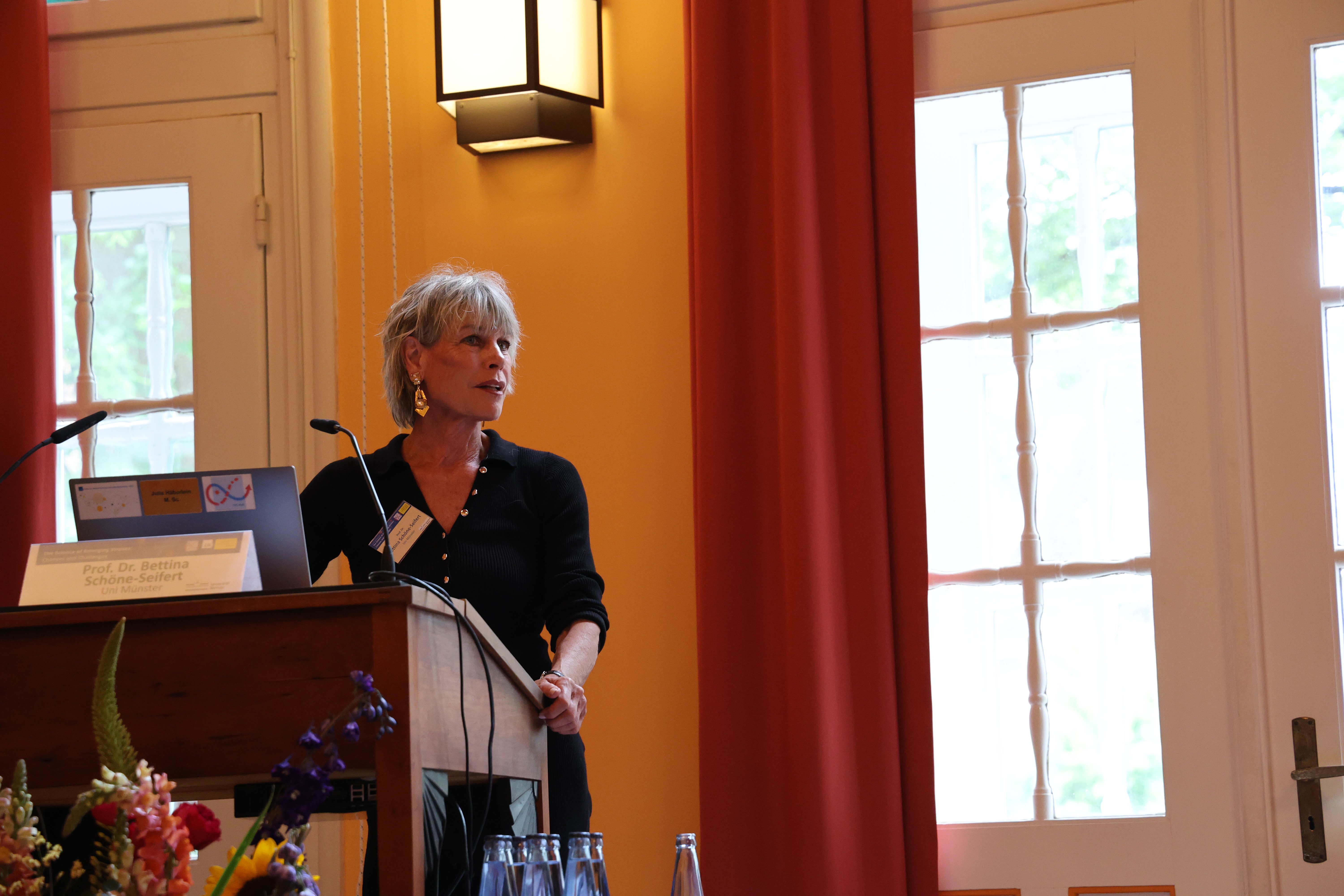
Dr. Sarah Eitze
Dr. Sarah Eitze
Prof. Dr. Bettina Schöne-Seifert
Prof. Dr. Bettina Schöne-Seifert
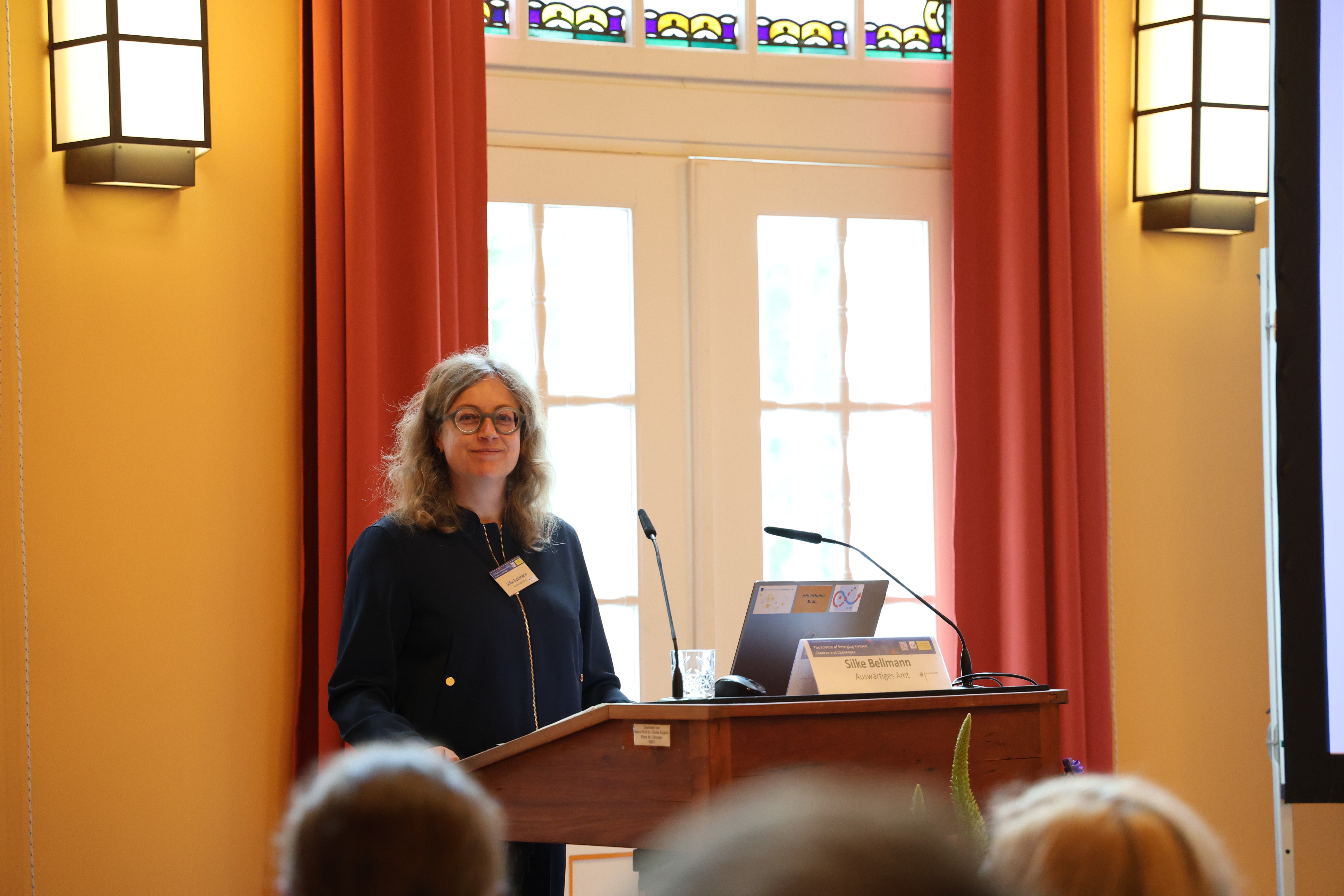
Silke Bellmann
Silke Bellmann
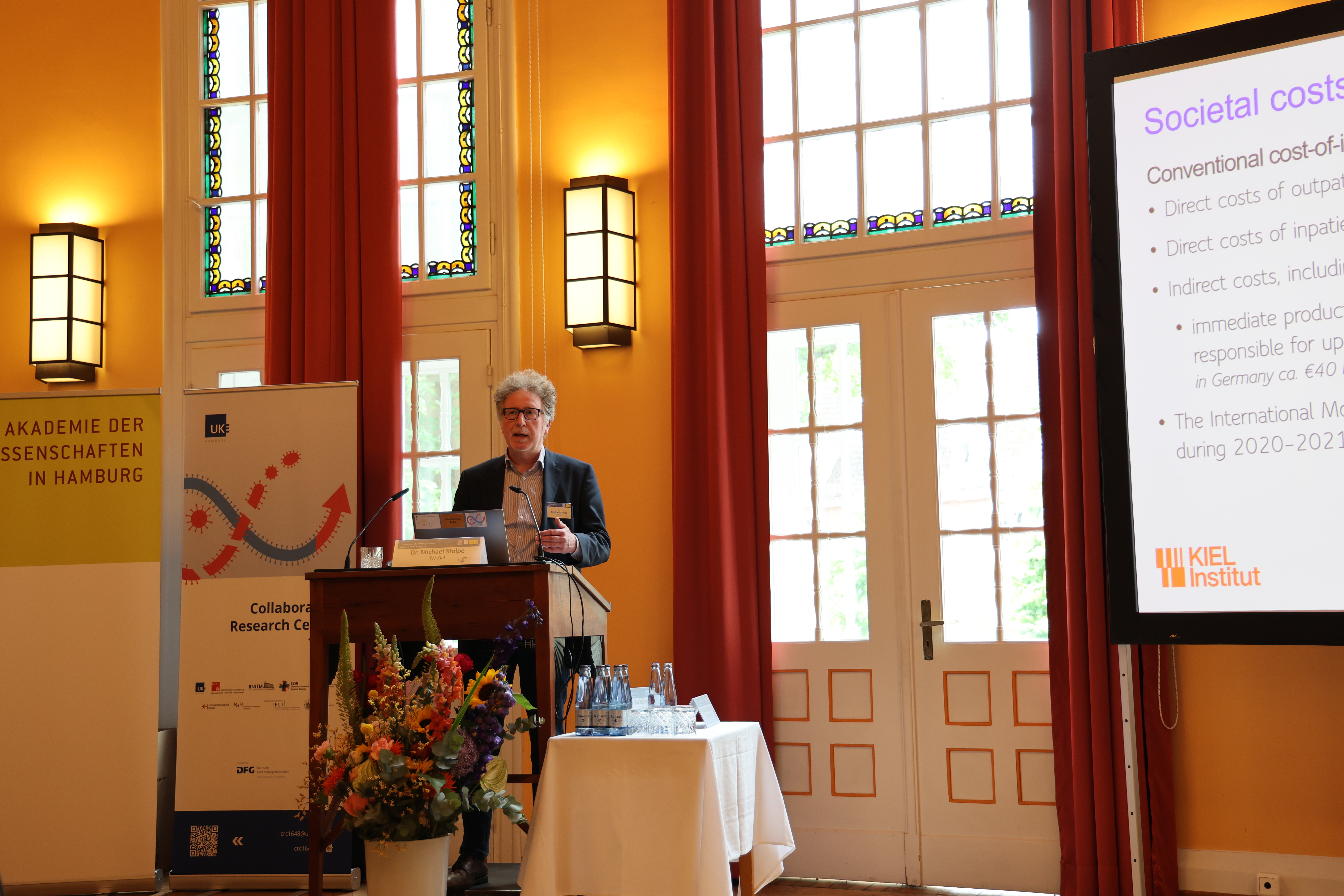
Dr. Michael Stolpe
Dr. Michael Stolpe
Public Panel Discussion: Dangerous Viruses, Safe Research – A Contradiction?
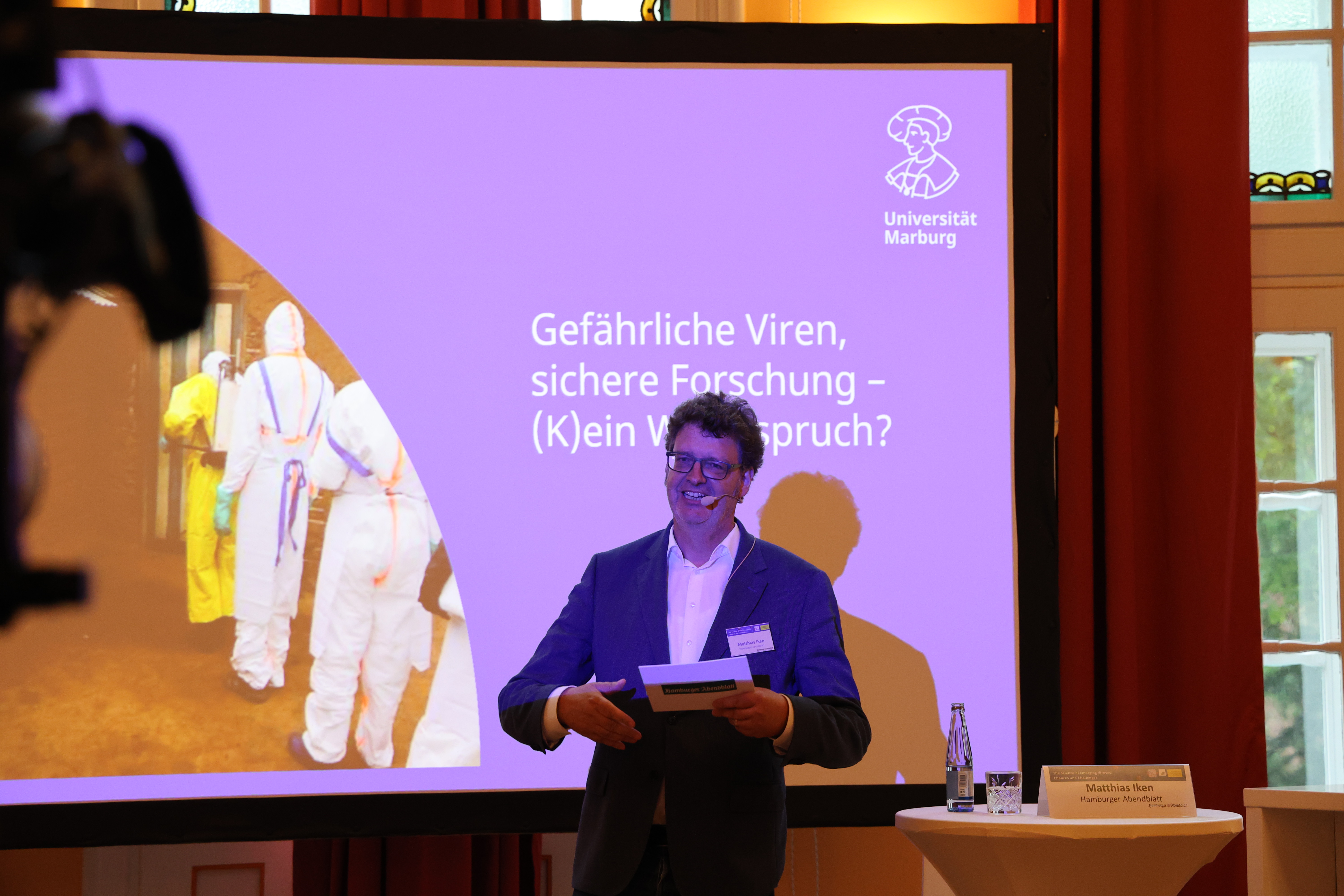
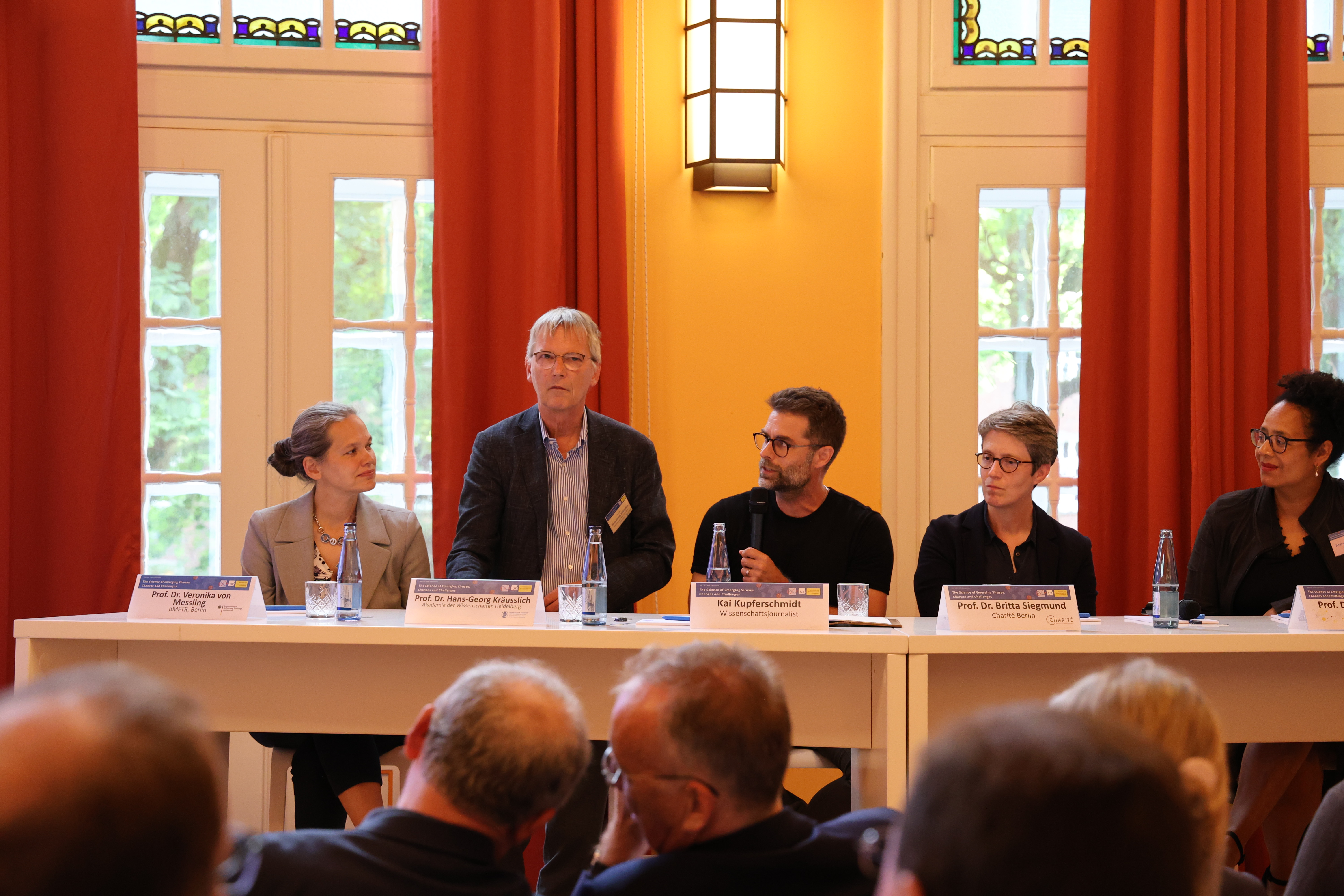
A particular highlight of the symposium was the public evening event “Gefährliche Viren, sichere Forschung – (K)ein Widerspruch?”, which brought scientific debate into direct dialogue with society. Following a keynote impulse by Prof. Dr. Stephan Becker, the discussion explored the opportunities, risks, and responsibilities associated with research on dangerous pathogens.
Moderated by
-
Prof. Dr. Hans-Georg Kräusslich , Virologist and President of the Heidelberg Academy of Sciences and Humanities -
Prof. Dr. Veronika von Messling , Head of the Life Sciences Division at the German Federal Ministry of Research, Technology and Space -
Prof. Dr. Marylyn Addo , Infectious Disease specialist and spokesperson of CRC 1648 -
Prof. Dr. Britta Siegmund , Vice President of the German Research Foundation (DFG) and Chair of the Joint DFG–Leopoldina Committee on Security-Relevant Research -
Kai Kupferschmidt , award-winning science journalist and expert on pandemic communication
Prof. Dr. Stephan Becker
Prof. Dr. Stephan Becker
CRC1648 Symposium Podium Iken
CRC1648 Symposium Podium Iken
CRC1648 Symposium Podium
CRC1648 Symposium Podium
Together, they discussed how research on high-consequence pathogens can advance public health and are needed for biomedical preparedness against pandemic threats, while maintaining the highest standards of safety, transparency, and societal accountability. The discussion highlighted the importance of openly addressing public concerns and communicating the benefits and risks of research in a transparent and understandable way.
Scientific Exchange Beyond the Lecture Hall
In addition to the scientific programme, the symposium offered numerous opportunities for networking and discussion. Researchers from different disciplines and career stages exchanged ideas, explored potential collaborations, and discussed future directions for emerging virus research. The positive feedback received from participants underscored the value of interdisciplinary dialogue and highlighted the importance of creating spaces and opportunities where experts from different fields can jointly address complex global challenges.
Watch the Symposium Talks
To make the symposium accessible to a wider audience, recordings of many of the presentations will be published on the CRC 1648 website and YouTube channel over the coming weeks.
The videos will be added below as they become available:
- Marion Koopmans – Lessons learned from the COVID-19 pandemic
- Stephan Becker – Viral Hemorrhagic Fevers
- Christian Drosten – MERS
- Martin Beer – Avian Influenza
- Maria Van Kerkhove – WHO Perspective
- Britta Siegmund – Risk of International Cooperation and Dual Use
- Robert Thimme – Virus Immunology
- Florian Klein – Antibody Strategies as Protection Against Viruses
- Public Panel Discussion
- Sébastien Calvignac-Spencer – Disease Ecology at Emergence Interfaces
- Una Jakob – Investigation of Alleged Use of Chemical and Biological Weapons
- Sarah Eitze – Health Communication and Risk Perception
- Bettina Schöne-Seifert – Ethical Challenges During Pandemics
- Silke Bellmann – Biological Disinformation by State Actors in International Forums (and Beyond)
- Michael Stolpe – Economic Impact of Health Crises
Organized by
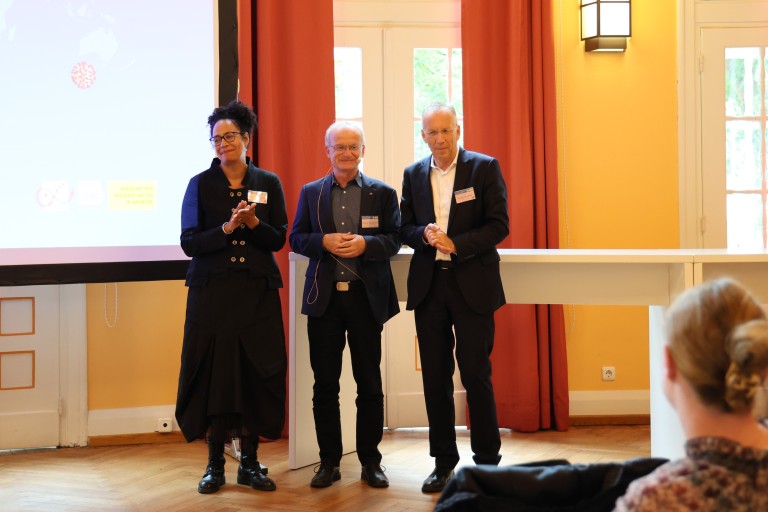
The symposium was organized by Prof. Dr. Marylyn Addo, spokesperson of CRC 1648 Emerging Viruses;
Looking Ahead
The discussions during the symposium demonstrated that addressing emerging viral threats requires not only scientific excellence, but also interdisciplinary collaboration, transparent communication, and engagement with society.
CRC 1648 would like to thank all speakers, participants, organizers, and partners for contributing to two inspiring days of scientific exchange.
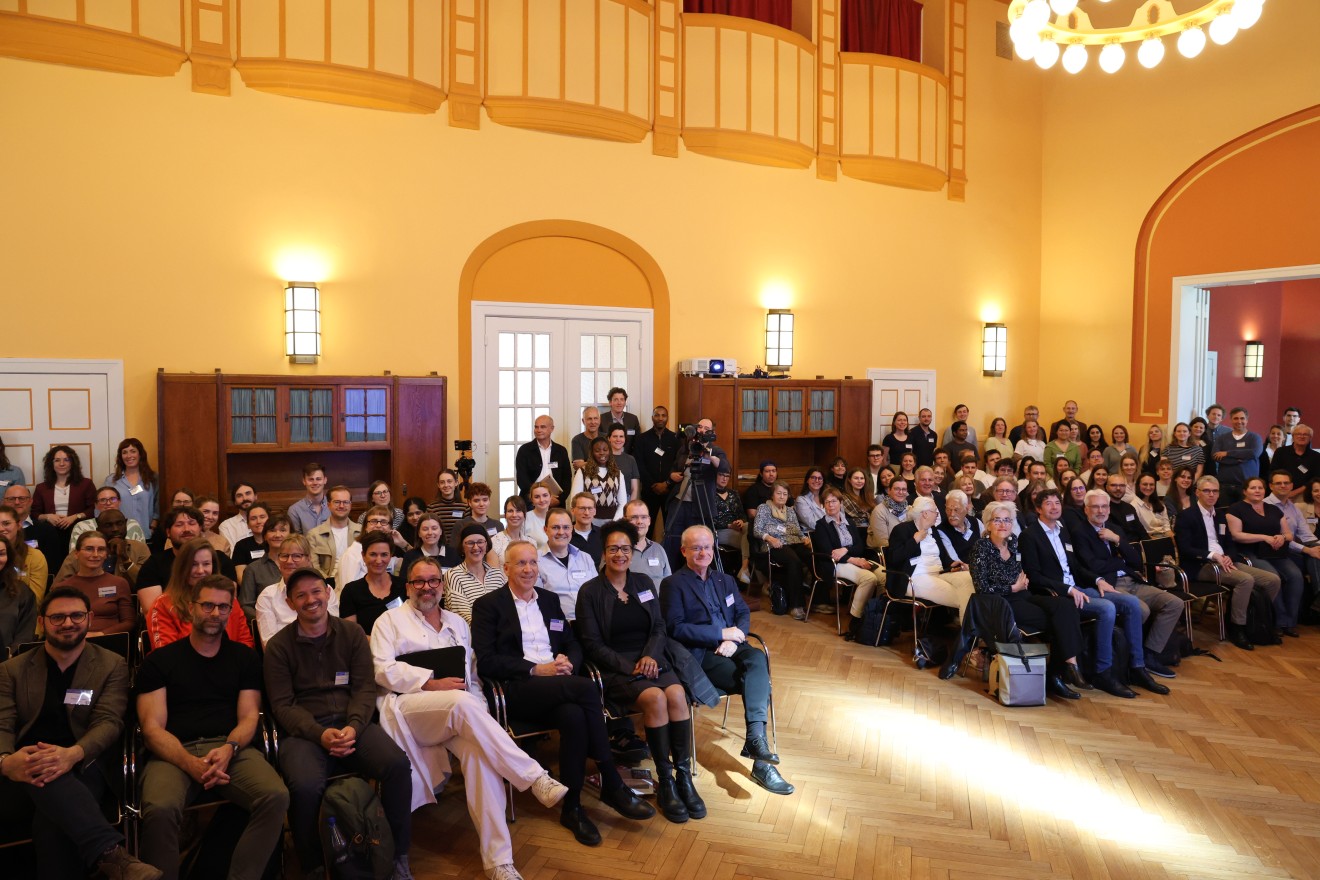
The symposium's discussions will continue beyond the event itself: in the coming months, the recorded talks will be made publicly available, and a symposium volume will be published in cooperation with the Hamburg Academy of Sciences and Humanities. By making these discussions accessible to a broader audience, CRC 1648 hopes to contribute to informed public dialogue on emerging viruses, biosafety, preparedness, and the role of science in society.
As the symposium repeatedly highlighted, transparency and open communication are essential for maintaining—and where necessary rebuilding—public trust in science.