 UKE Homepage
 DE
DE

Research Group Wenzel
Arterial hypertension and cardiovascular disease
Aim
Understanding the underlying mechanisms for better prevention and treatment of arterial hypertension and hypertension induced end-organ damage
Scope of Research
Arterial hypertension • Aldosterone • Inflammation • Complement System
Research Projects
1. Role of the mineralocorticoid receptor in inflammatory cells
Recent data suggest that the mineralocorticoid receptor is expressed in inflammatory cells and exerts proinflammatory effects. We examine its role in cells of the innate and adaptive immune systems in the context of hypertension and infectious disease. We hypothesize that receptor knockout may have beneficial effects in hypertension but emphasize the need to carefully evaluate potential detrimental effects in infectious disease.
2. Role of complement in hypertension and renal disease
The binding of the anaphylatoxins C3a and C5a to their respective receptors—C3aR, C5aR1, and C5aR2—triggers potent proinflammatory signaling. We investigate their contribution to the pathogenesis of hypertension and glomerulonephritis.
3. Role of complement in Takotsubo myocarditis
This disease, also known as “broken heart disease” occurs predominantly in women. Our data suggest that complement receptors play a key role in the pathogenesis of cardiac inflammation and fibrosis. We investigate this using a murine model of isoprenaline-induced myocarditis. In this model, mice develop a reduced ejection fraction during the early phase, followed by inflammation and fibrosis in the later phase.
4. Pathogenesis of so called malignant nephrosclerosis
The pathogenesis of renal injury in so-called malignant nephrosclerosis remains poorly understood. This condition represents a form of thrombotic microangiopathy, characterized by progressive narrowing of interlobular arteries and afferent arterioles, accompanied by intimal fibrosis and a characteristic onion-skin pattern of scarring. Due to the lack of suitable preclinical models, current research relies entirely on human material, including kidney biopsies, induced pluripotent stem cells (iPSCs), and renal organoids.
Key Techniques
- Mouse models of hypertension, chronic kidney disease, glomerulonephritis (nephritic and nephrotic) and takotsubo-like cardiomyopathy.
- Cardiovascular phenotyping of mice.
- Human and murine renal histology.
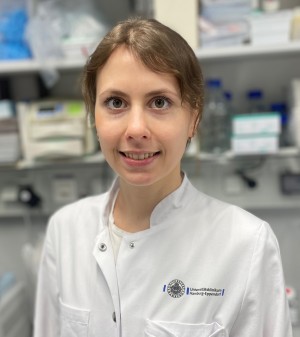
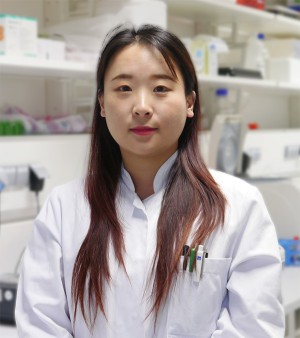
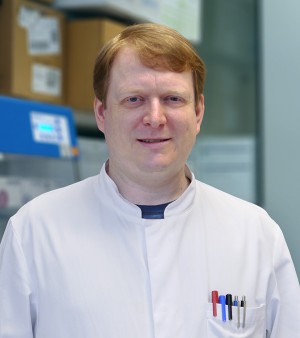
Group Members

Publications
-
Incretin-based therapies: A paradigm shift in blood pressure management?
Dreher L, Kylies D, Danser AHJ, Wenzel UO.
Hypertension. 2025;82:1167-1174. doi: 10.1161/HYPERTENSIONAHA.125.25112. -
Aortic Aneurysm and Dissection: Complement and Precision Medicine in Aortic Disease.
Dreher L, Kuehl MB, Wenzel UO, Kylies D.
Am J Physiol Heart Circ Physiol. 2025; 328:H814-H829. doi: 10.1152/ajpheart.00853.2024 -
Role of the anaphylatoxin receptor C5aR2 in angiotensin II induced hypertension and hypertensive end organ damage.
Dreher L, Bode M, Ehnert N, Meyer-Schwesinger C, Wiech T, Köhl J, Huber TB, Freiwald T, Herrnstadt GR, Wenzel UO.
Am J Hypertens. 2024, 37:810-825. doi: 10.1093/ajh/hpae082. -
Deficiency of complement C3a and C5a receptors does not prevent angiotensin II–induced hypertension and hypertensive end-organ damage.
Bode N, Herrnstadt GH, Dreher L, Ehnert N, Kirkerup P, Lindenmeyer MT, Meyer- Schwesinger C, Ehmke H, Köhl J, Huber TB, Krebs C, Steinmetz OM, Wiech T, Wenzel UO.
Hypertension. 2024, 81:138-150. doi: 10.1161/HYPERTENSIONAHA.123.21599. -
Complement component C3 as a new target to lower albuminuria in hypertensive kidney disease.
Bode M, Diemer JN, Luu TV, Ehnert N, Teigeler T, Wiech T, Lindenmeyer MT, Herrnstadt GR, Bülow J, Huber TB, Tomas NM, Wenzel UO.
Br J Pharmacol. 2023, 180:2412-2435 doi: 10.1111/bph.16097.
Grants/Awards
- DFG We 1688/19-3 „Neue pharmakologische Therapieziele bei arterieller Hypertonie und hypertensiver Nephropathie“
- DFG iDfellows
- Else Kröner-Fresenius-Stiftung RECORD (Research Center on Rare Kidney Diseases
- Herzstiftung
Most important collaboration partners
- Thorsten Wiech, Renal pathologie UKE, Hamburg Germany
- Hans-Willi Mittrücker, Immunology UKE, Hamburg Germany
- Jan Danser, Pharmacology, Rotterdam Netherland
- Jörg Köhl, Immunology Lübeck Germany
- Claudia Kemper, NIH, Washington, USA